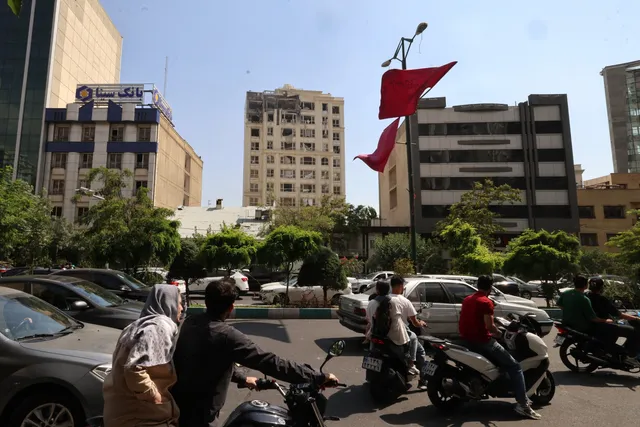
Iran’s capital city, Tehran was plunged into widespread power outages early Monday after a new wave of Israeli airstrikes targeted infrastructure across the Iranian capital.
Residents across eastern, western, and northern districts reported explosions followed by sustained blackouts, raising fears of a broader collapse in essential services.
The strikes came shortly after Israeli military officials signaled their intent to hit strategic infrastructure in Tehran, though they did not disclose specific targets. Iranian state media confirmed multiple blasts, while civilians described an atmosphere of growing panic as electricity failures spread across neighborhoods in a city of over 10 million people.
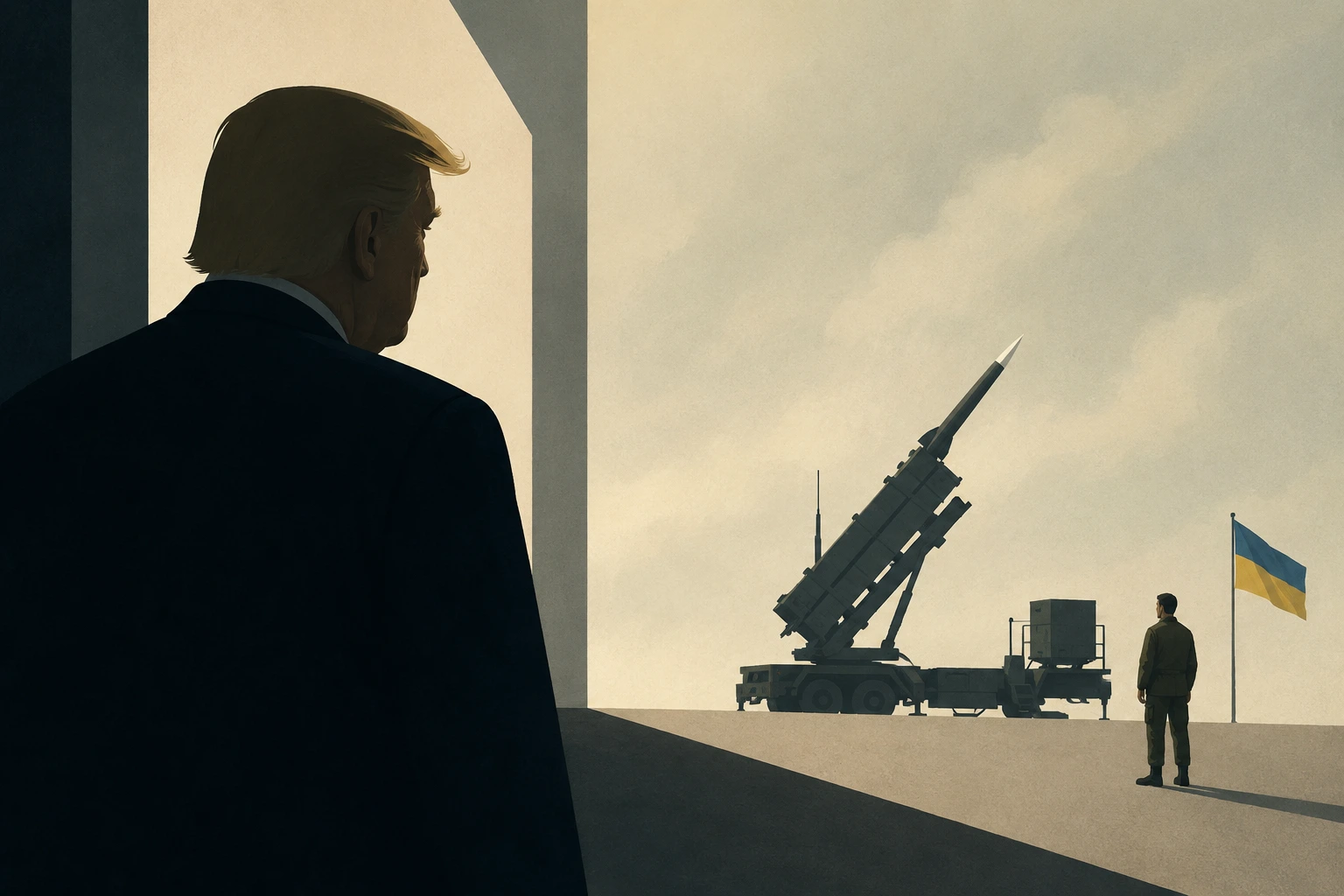
The escalation follows a sharp warning from Donald Trump, who threatened to strike Iran’s power plants if shipping through the Strait of Hormuz was not fully restored. Iran rejected the ultimatum, warning that any attack on its energy infrastructure would trigger retaliation against regional facilities, including those in countries hosting U.S. forces.
War Casualties
The war, now entering its fourth week, has already resulted in significant casualties. Iranian officials estimate over 1,300 civilian deaths, while independent monitoring groups place the figure slightly higher. In Lebanon, where Israeli operations against Hezbollah are intensifying, the death toll has surpassed 1,000. Israeli authorities report at least 15 fatalities from Iranian strikes, alongside dozens injured.
Tensions have also risen inside Israel after Iranian missiles struck near sensitive areas, including regions close to the nuclear facility near Dimona. The attacks exposed vulnerabilities in Israel’s missile defense systems, including the widely known Iron Dome, prompting scrutiny over interception capabilities as the conflict drags on.

Meanwhile, Israeli Defense Minister Israel Katz has ordered an expansion of operations in Lebanon, including the destruction of infrastructure, fueling fears of a prolonged military occupation. Israeli military leadership has indicated that operations against Hezbollah are only in their early stages.
For civilians in Iran, the prospect of further strikes on energy infrastructure is particularly alarming. Experts warn that sustained attacks on power facilities could cripple healthcare systems, disrupt water supplies, and paralyze economic activity. Iranian officials have framed such actions as indirect attacks on civilians, potentially leading to widespread humanitarian consequences.