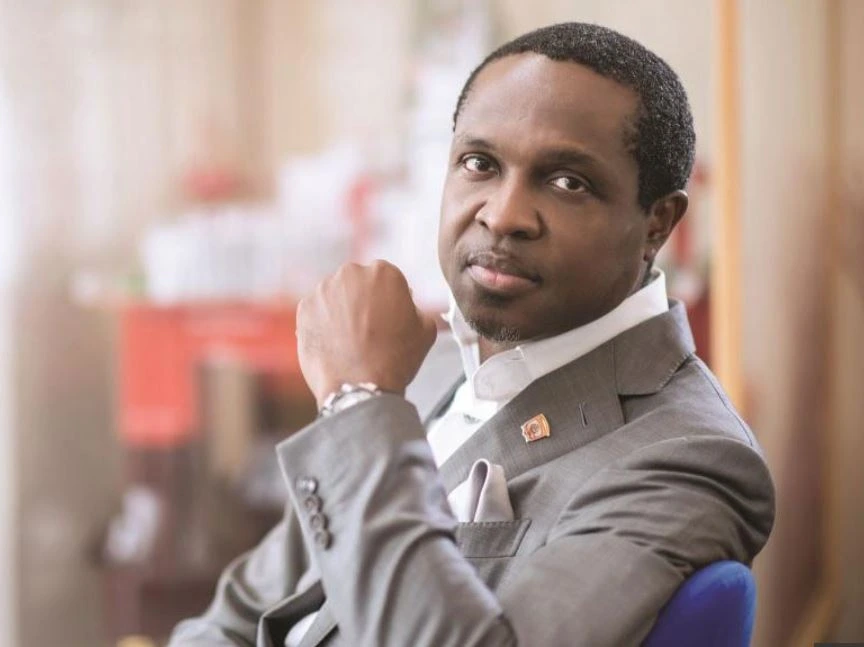
The ongoing geopolitical tensions between the United States and Iran, which have disrupted global energy markets and pushed fuel prices higher, are a stark reminder for individuals to build emergency financial buffers, according to Nigerian financial analyst Oler Oladele.
Rising Energy Prices Trigger Financial Pressure
Speaking on the Arise Global Business Update, Oladele, a Chartered Financial Analyst and founder of the Money Wit Club, said the crisis illustrates how global events can quickly translate into financial stress for households.
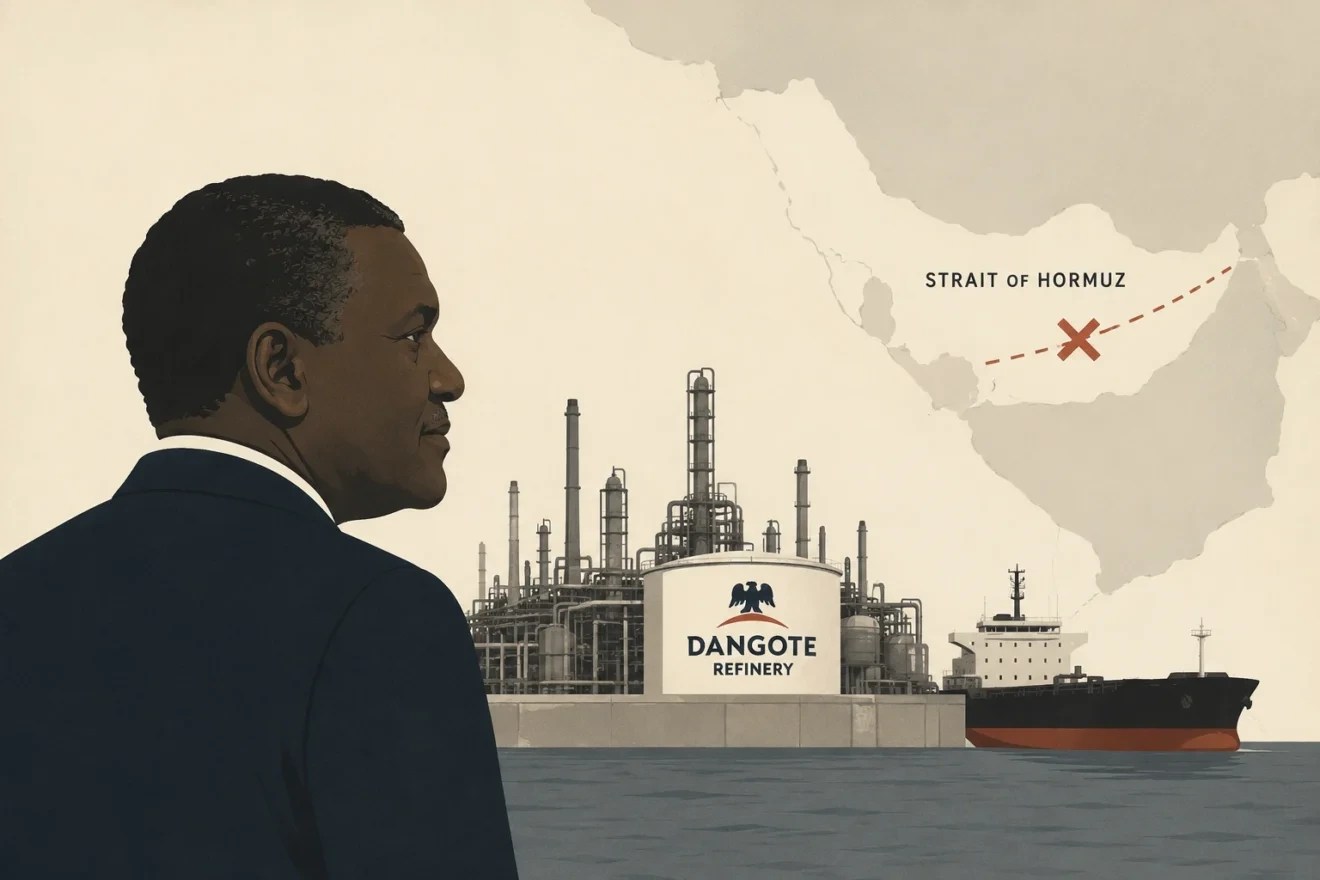
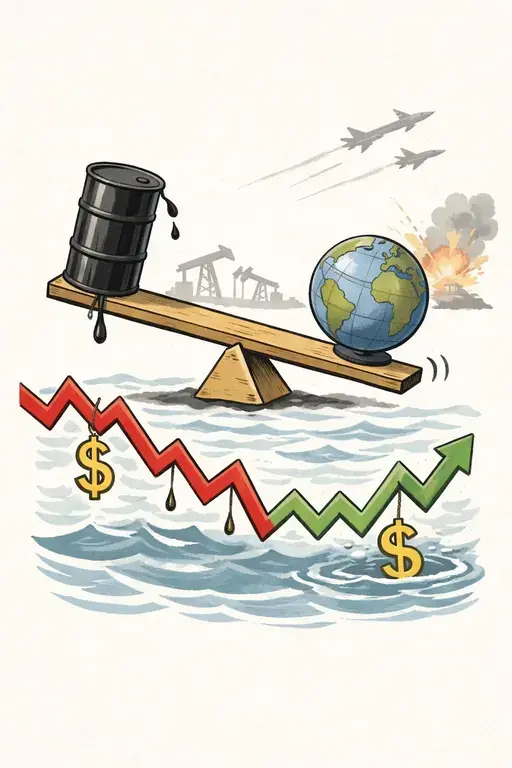
The conflict has disrupted shipping through the strategically important Strait of Hormuz, a key global energy corridor through which a significant portion of the world’s oil supply passes. The disruption has created volatility in oil markets, contributing to rising fuel prices and renewed inflation concerns worldwide.
For Nigerians already dealing with higher transportation and living costs following fuel subsidy removal, the effects are being felt directly through increased petrol prices and higher costs of goods and services.
Emergency Funds as a Financial Buffer
Oladele emphasised that individuals should maintain an emergency fund to absorb unexpected financial shocks.
“An emergency fund is simply a fund that you draw on when there is an unplanned event. The global economic and security situation we are seeing now is exactly the kind of event that people cannot predict,” he said.
According to her, such funds provide a temporary cushion that allows households to absorb economic shocks before adjusting their spending patterns.
“Before you adjust your lifestyle, the emergency fund helps you absorb the shock,” he explained. While acknowledging that many Nigerians live with limited disposable income, Oladele argued that emergency savings are still possible even at modest levels.
“Personal finance is personal. Your emergency fund might be ₦50,000 and you decide to contribute ₦1,000 daily until you reach that target. The idea is simply to have a buffer,” he said.
She added that even small amounts saved consistently can create financial resilience over time.
Saving Culture Needs Reorientation
Oladele also noted that while Nigerians often save money, those savings are frequently directed toward consumption rather than long-term financial stability.
She explained that many people save for events or celebrations such as weddings, holidays, or seasonal festivities rather than building emergency funds or capital for investment.
“We save for consumption, but we do not save to build wealth. Capital is what allows you to invest and grow financially,” she said.
Understanding Economic Drivers
The financial analyst further advised individuals to develop a basic understanding of economic factors that influence their personal finances.
Oladele pointed to fuel prices, electricity tariffs, transportation costs, and food inflation as key indicators Nigerians should monitor because they directly affect household budgets.
“People do not need a PhD in economics, but they need to understand the things that impact their pockets,” he said.
Beyond emergency savings, she also encouraged individuals to set measurable financial goals rather than vague financial aspirations.
According to her, defined financial targets such as a specific savings goal within a set time frame can significantly influence spending behaviour and improve financial discipline.
“Dreams are different from goals. A goal is measurable and time-bound. Once you have that, your daily spending decisions begin to change,” he explained.
Balancing Short-Term Liquidity and Long-Term Wealth
The analyst also advised households to structure their finances in a way that balances immediate cash needs with long-term investments. She noted that while assets such as real estate may generate long-term wealth, individuals must maintain liquid funds that can be accessed quickly during emergencies.
“A balanced financial portfolio should allow for both long-term wealth building and access to short-term cash when unexpected expenses arise,” he said.
Broader Economic Context
The renewed focus on financial resilience comes as geopolitical tensions and energy market disruptions continue to drive volatility in global fuel prices. Analysts warn that sustained instability in the Middle East could lead to further inflationary pressures across many economies, including Nigeria.
For households, Oladele said the key lesson is preparedness. “You cannot predict emergencies, but you can prepare for them,” she said.