The Nigerian National Petroleum Company Limited (NNPCL) has announced that its joint venture partner, Seplat Energy Plc, will shut down its gas production facilities for four days for routine maintenance, a development expected to temporarily reduce gas supply to power generation companies and moderately impact electricity output nationwide.
In a statement issued on Thursday by the Chief Corporate Communications Officer of NNPC Ltd, Andy Odeh, and titled “Notice of Scheduled Maintenance on Major Gas Plant and Facilities,” the national oil firm said the maintenance would run from February 12 to February 15, 2026.
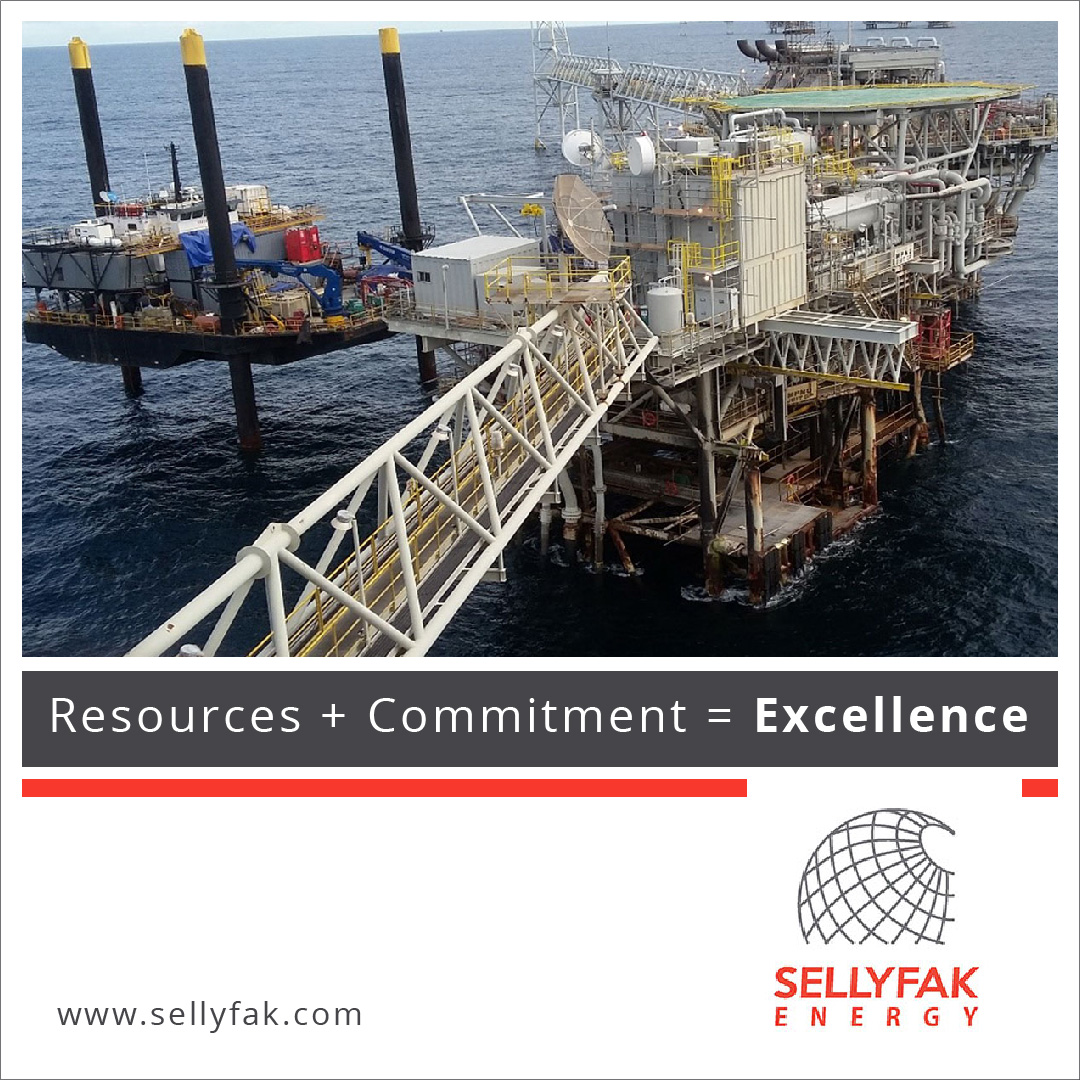
Seplat Energy, a joint venture partner of NNPC Ltd and a major supplier of gas into the NNPC Gas Infrastructure Company Limited pipeline network, is undertaking what the company described as routine and mandatory industry-standard maintenance.
“The public is hereby informed that Seplat Energy Plc, a Joint Venture partner of NNPC Ltd and a key supplier of gas into the NNPC Gas Infrastructure Company Limited pipeline network, has scheduled routine maintenance on its gas production facilities from 12th to 15th February 2026,” the statement read.
It added, “This planned activity forms part of standard industry safety and asset integrity protocols designed to ensure the continued reliability, efficiency, and safe operation of critical gas infrastructure.
“Periodic maintenance of this nature is essential to sustain optimal system performance, strengthen operational resilience, and minimise the risk of unplanned outages.”
Planned Maintenance of Gas Facilities
According to NNPC, the maintenance will lead to a temporary reduction in gas supply into the NGIC pipeline network, which serves several thermal power plants and industrial customers across the country.
“During the four-day maintenance period, there will be a temporary reduction in gas supply into the NGIC pipeline network. As a result, some power generation companies reliant on this supply may experience reduced gas availability, which could modestly impact electricity generation levels within the timeframe,” Odeh stated.
Nigeria’s power sector is heavily dependent on gas-fired plants, which account for over 70 per cent of installed generation capacity. Most thermal plants source feedstock through the NGIC pipeline network and other gas transportation systems linking upstream producers in the Niger Delta to generation hubs in the South-West and other regions.
In recent years, gas supply disruptions, whether due to pipeline vandalism, payment arrears, or technical faults, have frequently led to generation shortfalls, forcing the system operator to implement load management measures.
Power Supply Challenges
The routine maintenance is critical for long-term infrastructure integrity, the development once again underscores the delicate link between Nigeria’s upstream gas operations and electricity supply stability.
With average grid generation often hovering between 4,000MW and 5,000MW despite significantly higher installed capacity, even modest supply disruptions can have ripple effects across distribution networks and consumers.
The latest maintenance notice comes amid ongoing reforms in the electricity market and efforts by the Federal Government to deepen gas utilisation under its “Decade of Gas” initiative.
Stakeholders note that sustained investment in redundancy, storage, and diversified energy sources will be crucial to reducing the grid’s exposure to periodic gas supply constraints.