The United Kingdom and Nigeria have sealed a £746 million ($990 million) export finance agreement aimed at overhauling two of Nigeria’s ports (Tin Can and Apapa), with the deal structured to unlock trade efficiency while advancing British industrial interests.
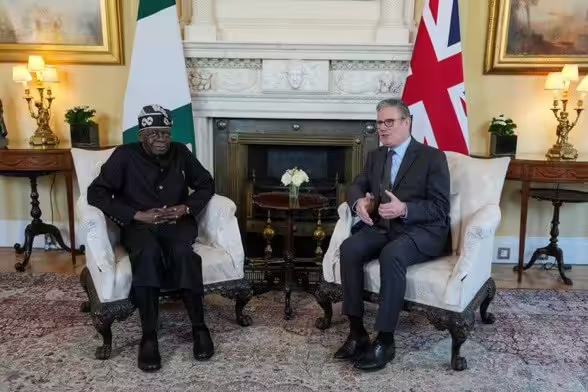
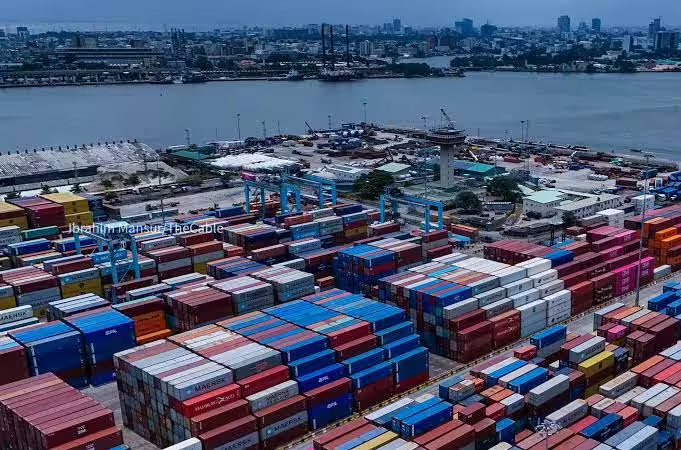
Announced during President Bola Ahmed Tinubu’s state visit to London, the agreement will see UK-backed financing deployed for the refurbishment of the Lagos Port Complex and Tin Can Island Port—two facilities that collectively handle a significant share of Nigeria’s import and export traffic.
At the core of the arrangement is UK Export Finance (UKEF), which will guarantee the loan backing the project. The financing will be coordinated by Citibank, ensuring structured capital deployment and risk management aligned with international standards.
Also Read:
- Apapa Port Customs Rakes In All-Time High Revenue of N1.02 Trillion in 2022
- Apapa Port Customs Achieves N304 Billion Revenue Milestone in October 2025
- Chaos at Nigeria’s Busiest Seaport as CCECC Demolishes Structures, Cripples Apapa
- NDLEA Intercepts Brazil-Bound Vessel Containing 20 Kilograms of Cocaine at Apapa Seaport
Significance of Deal
From a trade policy standpoint, the deal is as much about UK industrial strategy as it is about Nigerian infrastructure. British firms are expected to secure approximately £236 million in supply contracts tied to the project. Notably, British Steel is set to benefit from a £70 million contract—an outcome the UK government framed as a timely intervention for its struggling steel sector, coinciding with the rollout of a new domestic steel strategy.

For Nigeria, the investment targets longstanding inefficiencies in port operations—congestion, turnaround delays, and outdated infrastructure—that have historically inflated logistics costs and constrained trade competitiveness. Modernising the Lagos Port Complex and Tin Can Island Port is expected to improve cargo throughput, reduce vessel waiting times, and strengthen Nigeria’s position as a regional trade hub in West Africa.
The agreement also reflects a broader deepening of bilateral economic ties between United Kingdom and Nigeria, particularly in the context of post-Brexit trade diplomacy. For the UK, export finance has become a key lever in securing overseas contracts for domestic firms, while Nigeria continues to seek external capital and technical expertise to close its infrastructure deficit.