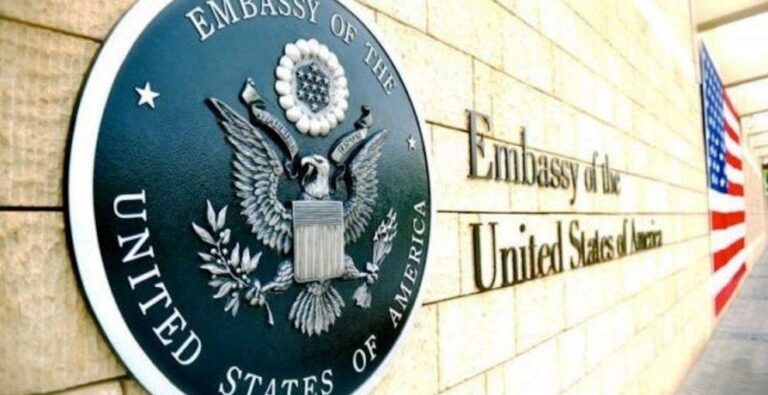
The U.S. Department of State has authorized the departure of non-essential personnel and family members from its embassy in Abuja, citing a deteriorating security environment across parts of Nigeria.
The move, announced by the U.S. Mission Nigeria on April 8, 2026, marks a significant shift in diplomatic posture, even as the country’s overall travel advisory level remains unchanged at Level 3: “Reconsider Travel.”
What Happened
According to the updated advisory, non-emergency U.S. government employees and their families have been permitted to leave the U.S. Embassy Abuja due to escalating risks tied to crime, terrorism, civil unrest, and kidnapping.
While this does not amount to a full evacuation, such “authorized departures” typically signal heightened concern about safety conditions on the ground.
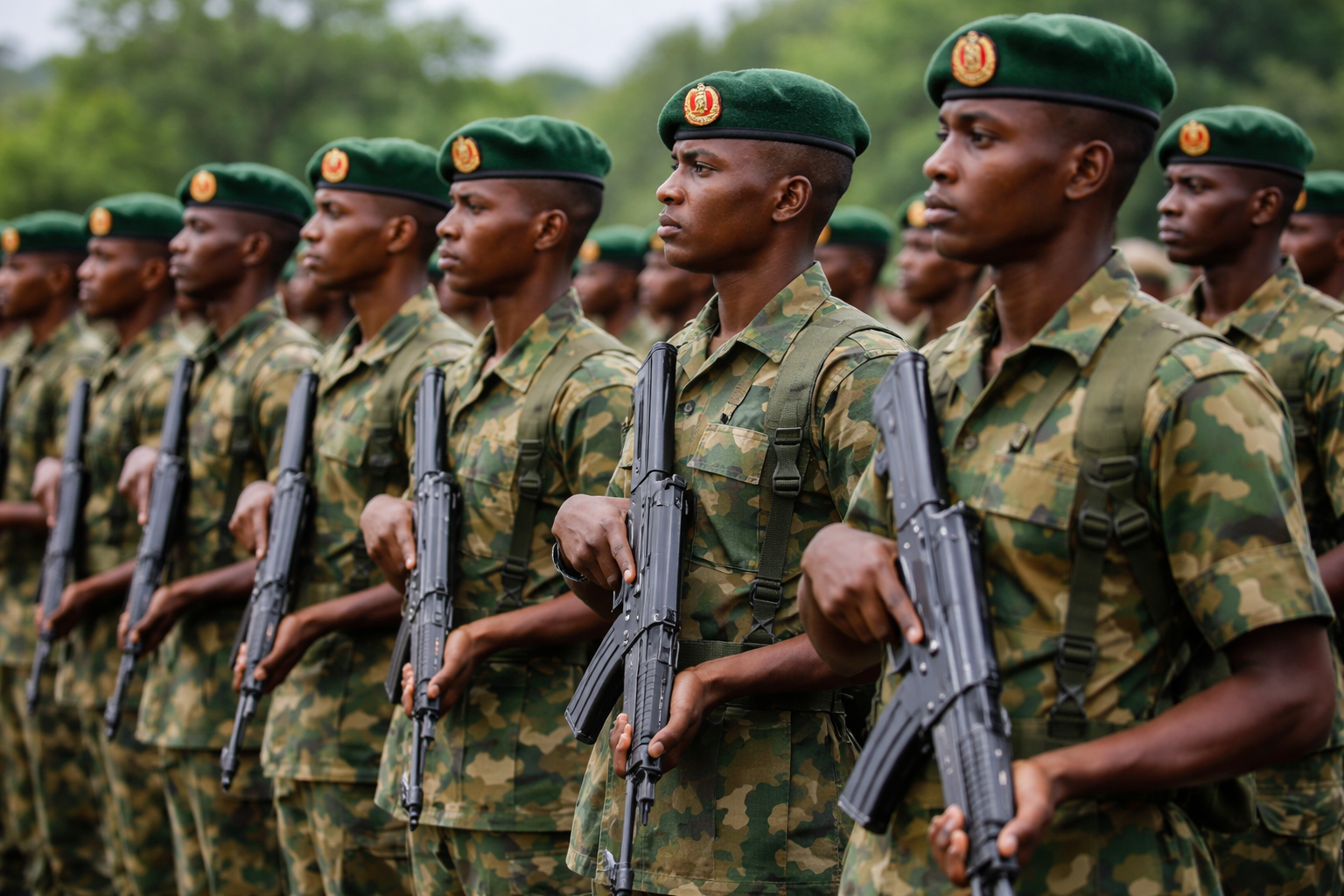
The advisory also expanded the list of “Do Not Travel” states, adding Plateau, Jigawa, Kwara, Niger, and Taraba to already high-risk regions affected by insecurity.
Key Security Concerns
The U.S. government highlighted several ongoing threats:
- Kidnapping and Violent Crime: Widespread incidents of armed robbery, carjacking, and ransom kidnappings, often targeting perceived wealthy individuals, including foreign nationals.
- Terrorism: Persistent threats from extremist groups, particularly in the Northeast, with attacks possible in public places such as markets, schools, and religious centers.
- Civil Unrest: Rising tensions in parts of southern Nigeria, including the Niger Delta and Southeast.
- Healthcare Limitations: Concerns about inconsistent medical infrastructure, counterfeit drugs, and limited emergency response services.
Has This Happened Before?
Yes — this is not unprecedented.
The U.S. Department of State has previously ordered or authorized similar departures in Nigeria during periods of heightened insecurity. Notably:
- 2014–2015: During the peak of insurgency by Boko Haram, travel warnings were intensified, and movement restrictions were placed on U.S. personnel.
- 2021–2023: Heightened kidnapping and banditry crises in northern Nigeria led to multiple security alerts and restricted travel for embassy staff.
- Other countries: Similar measures have been taken globally in high-risk environments (e.g., Iraq, Afghanistan, Sudan), indicating that this is a standard diplomatic safety protocol rather than an extraordinary sanction.
However, each instance reinforces global perceptions about the host country’s security stability.
Implications for Nigeria
1. Diplomatic Signal to the International Community
Even without raising the overall advisory level, the evacuation sends a strong signal to allies and foreign governments that security risks are intensifying. Other embassies often review such decisions and may adopt similar precautions.
2. Investor Confidence
Foreign investors closely monitor travel advisories. Moves like this can:
- Increase perceived country risk
- Slow foreign direct investment (FDI) decisions
- Raise insurance and operational costs for multinational firms
Sectors like oil & gas, infrastructure, and tech — which rely heavily on expatriate staff — may feel immediate effects.
3. Impact on Nigeria–U.S. Relations
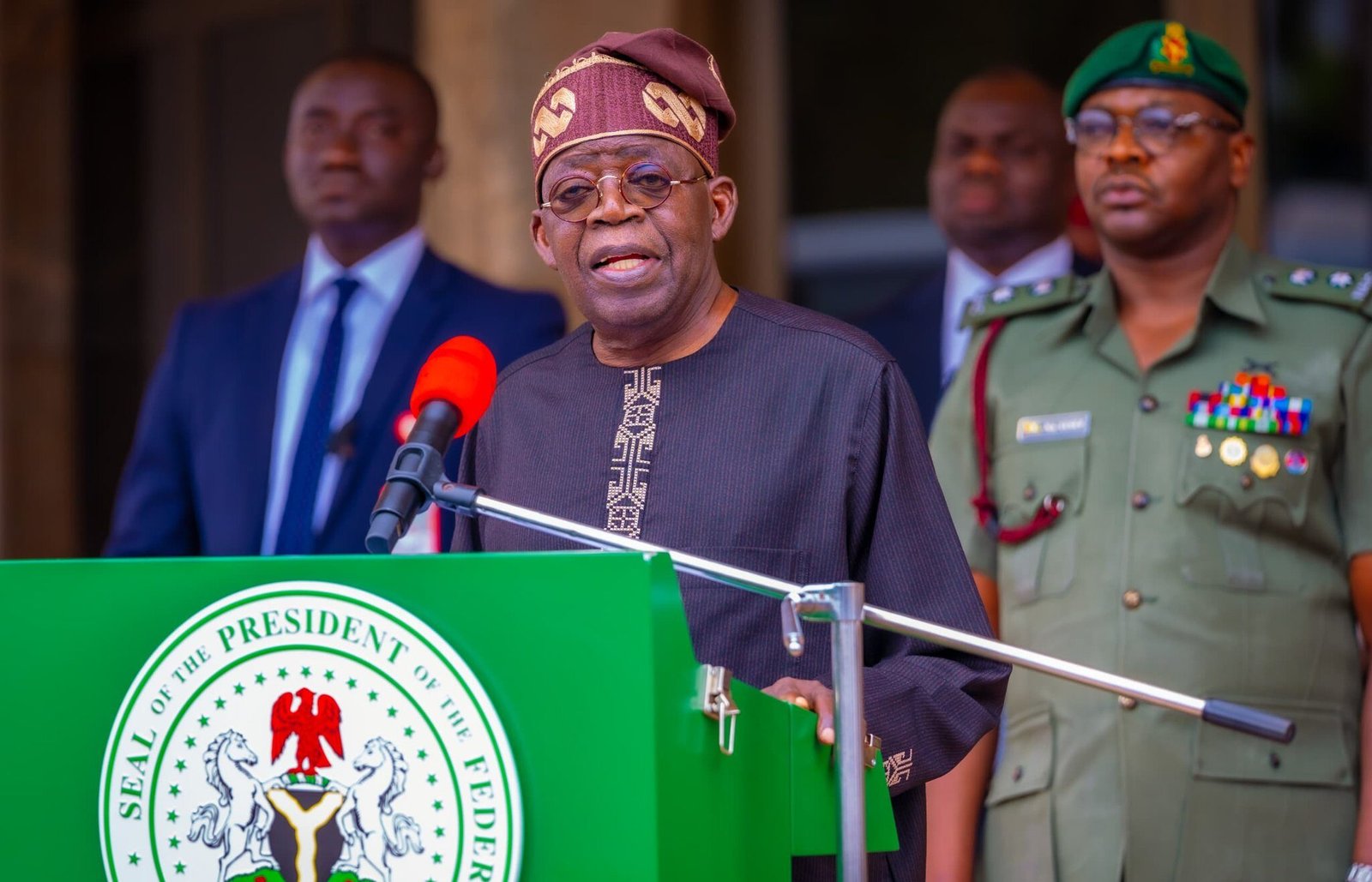
While not a diplomatic sanction, the decision puts subtle pressure on the Nigerian government to demonstrate improved security outcomes. It may also shape future cooperation in areas like counterterrorism and intelligence sharing.
4. Tourism and Global Image
Travel advisories heavily influence tourism flows. Expanding “Do Not Travel” zones across multiple states reinforces Nigeria’s image as a high-risk destination, potentially deterring visitors and international events.
5. Domestic Political Pressure
Such international actions often amplify internal scrutiny on the government’s handling of insecurity, especially regarding kidnapping, insurgency, and communal violence.

What This Means Going Forward
The “authorized departure” status is typically temporary and reviewed regularly. A reversal would depend on measurable improvements in security conditions.
For now, the advisory underscores a broader reality: while Nigeria remains a critical economic and geopolitical player in Africa, persistent security challenges continue to shape how the world engages with it.