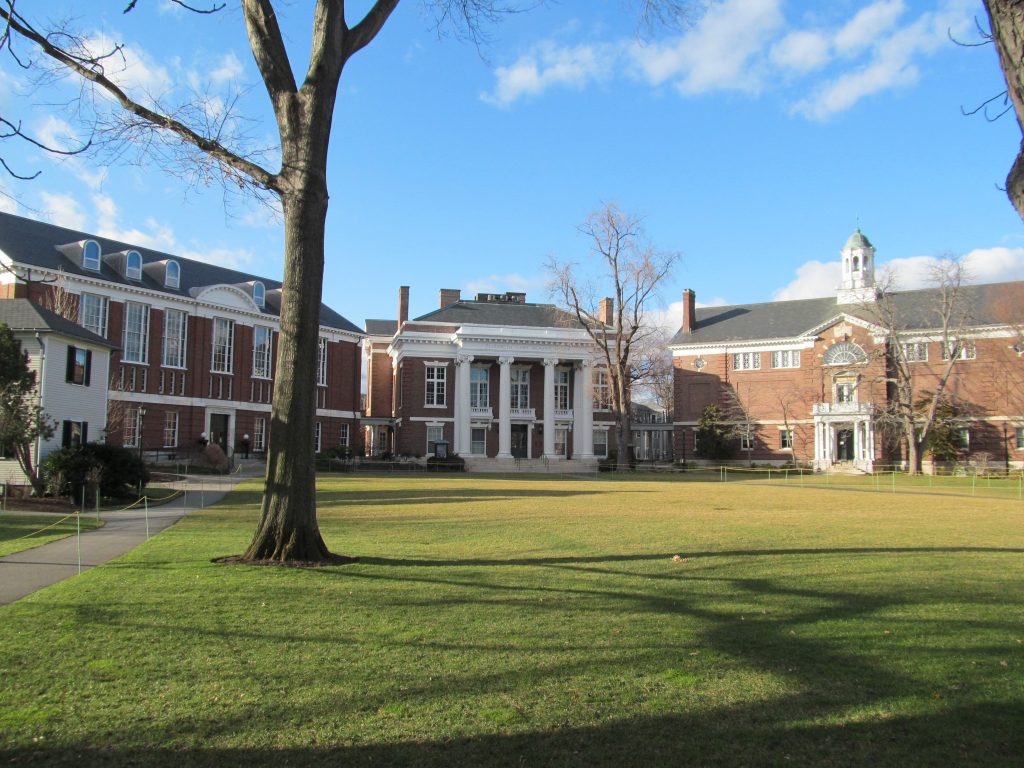
Academic activities at the University of Jos have been brought to a halt following the commencement of an indefinite strike by members of the Academic Staff Union of Universities (ASUU), who are protesting the non-payment of their March 2026 salaries.
The strike, which took effect on Wednesday, April 8, 2026, has forced lecturers to withdraw from all academic responsibilities, including teaching, examinations, and official meetings.
Union Confirms Total Shutdown of Academic Duties
The Chairman of ASUU at UNIJOS, Professor Jurbe Molwus, confirmed the development, stating that lecturers would not resume duties until their outstanding salaries are paid.
According to him, the decision followed due consultations and adherence to union protocols.
“We are on strike, and we are not going to work until we are paid,” he said.
Blame Shifted to Accountant-General’s Office
In an internal communication circulated among lecturers, the union expressed frustration over what it described as an unnecessary delay in salary disbursement.
The statement pointed fingers at the Office of the Accountant-General of the Federation, which it accused of failing to complete the payment process.
ASUU noted that the university’s bursary department had already fulfilled its obligations, suggesting the delay originated at the federal level.
The statement emphasized that the union had exercised patience but could no longer tolerate disruptions to members’ welfare.
Compliance Enforcement and Escalation Warning
The union has directed all members to fully comply with the strike action, warning that monitoring teams would be deployed to ensure adherence across departments.
This move signals a firm stance by the lecturers and raises concerns about a prolonged disruption to academic calendars.
Implications for Students and Academic Calendar
The strike is expected to significantly affect students, particularly those preparing for examinations or nearing graduation. With no clear timeline for resolution, there are growing fears of extended delays in academic activities.
Education stakeholders have repeatedly warned that recurring industrial actions in Nigerian universities could further weaken the system and erode confidence in public tertiary education.

Recurring Salary and Welfare Disputes
This latest strike highlights ongoing tensions between university staff unions and federal authorities over salary payments and welfare issues.
Similar disputes in the past have led to prolonged shutdowns across Nigerian universities, often with long-term consequences for students and the education sector.