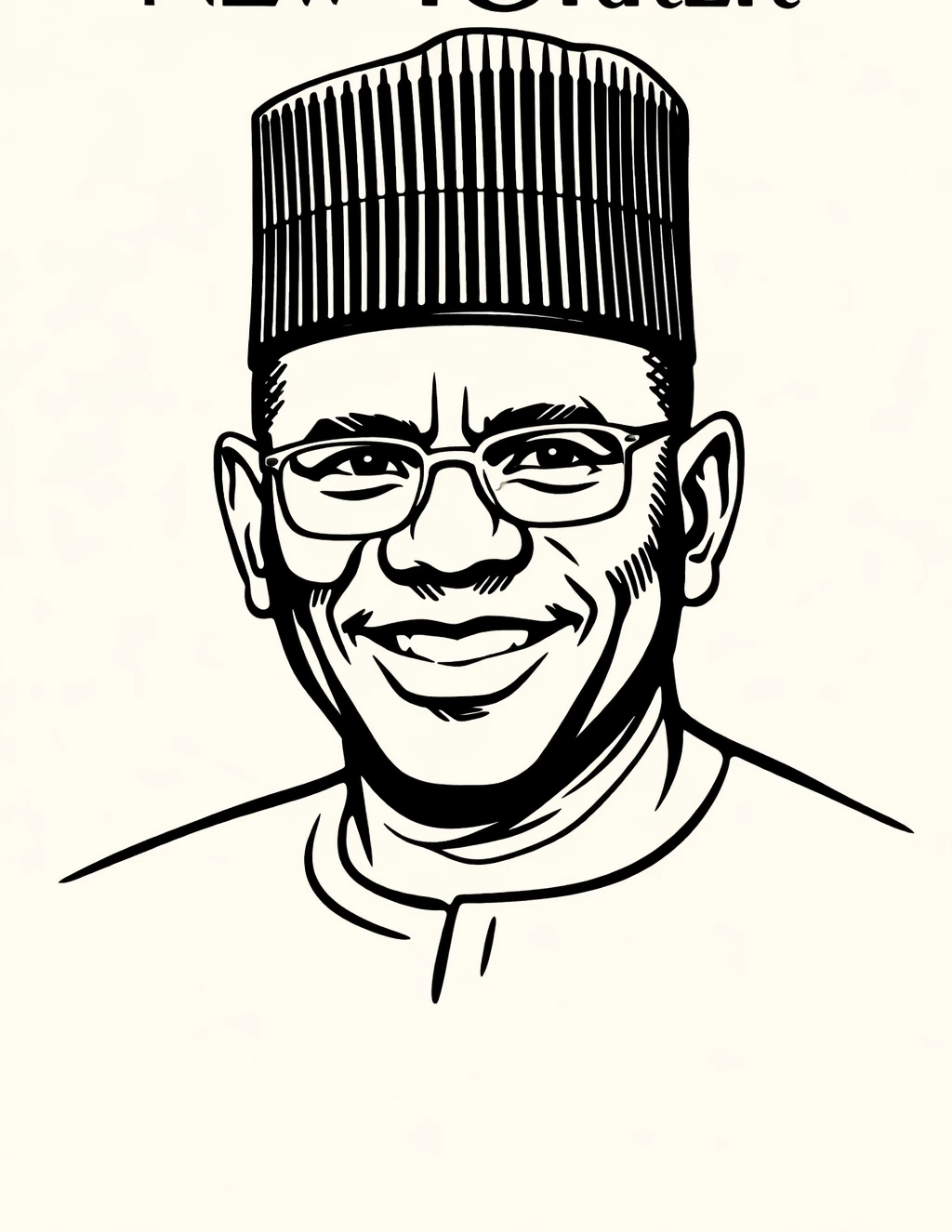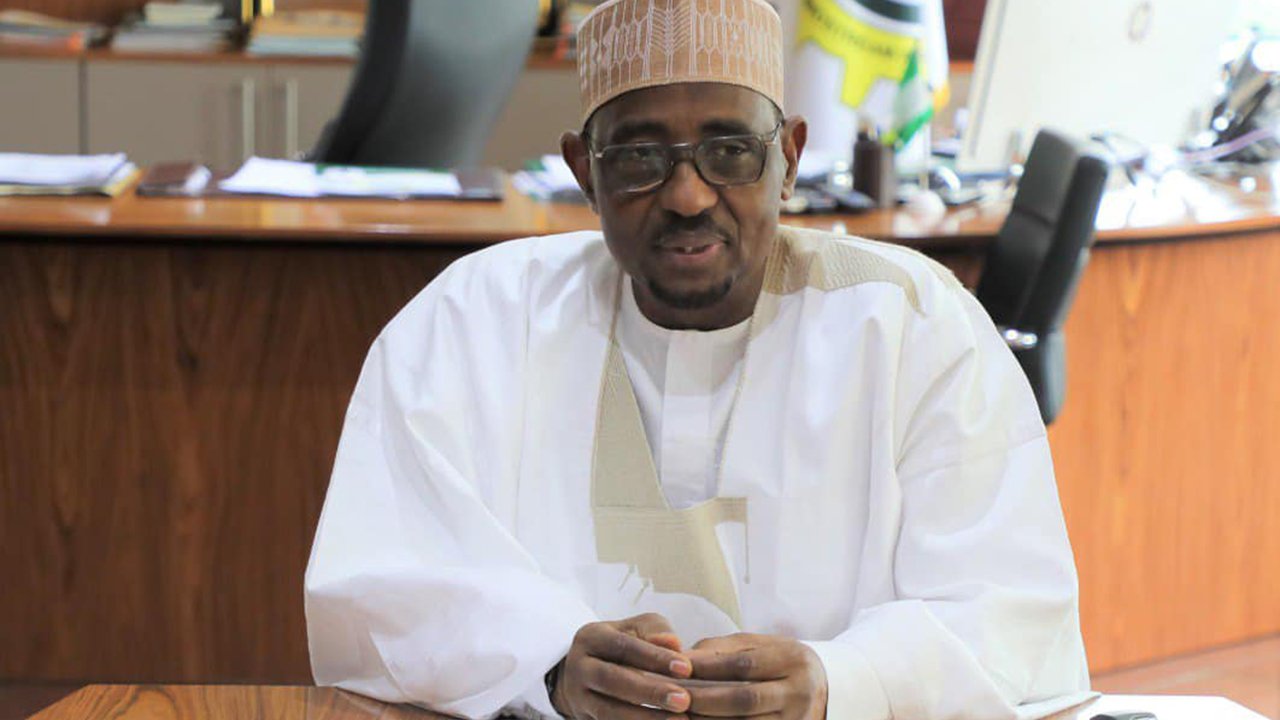
Engr. Farouk Ahmed, Chief Executive of the Nigerian Midstream and Downstream Petroleum Regulatory Authority (NMDPRA), has rejected allegations that he funded his children’s education in Switzerland with illicit money, describing the claims as “innuendo” timed to coincide with the agency’s tougher enforcement in the downstream market.
In a statement titled “A Question of Integrity” dated December 16, Ahmed said the allegation — widely circulated amid an escalating dispute between the regulator and the Dangote Petroleum Refinery over fuel imports and licensing — misrepresents his family’s education expenses and ignores scholarships and family trust support.
Allegation emerges amid Dangote–regulator feud
The response follows public claims by Aliko Dangote that NMDPRA’s leadership has enabled imports of allegedly “cut-price” refined products in a manner that undermines local refining, including Dangote’s 650,000 bpd refinery in Lekki, Lagos. Dangote has called for an official corruption probe into Ahmed and has also petitioned anti-corruption authorities, according to multiple local reports.
Reuters reported on Monday that Nigeria’s House of Representatives is moving to look into the row, which has widened from pricing and supply arguments into governance and integrity claims.
“Facts over innuendo”: Ahmed’s defence of education funding
Ahmed said three of his four children received merit-based scholarships “ranging from 40% to 65%” of tuition, and that additional support came from an education trust established by his late father before his death in 2018. He argued that, once scholarships and family contributions are accounted for, his personal outlay is consistent with long-term savings from public service and legitimate cooperative investments.
He stated that his annual compensation as NMDPRA chief executive is “approximately ₦48 million including all allowances,” and said he has filed asset declarations with the Code of Conduct Bureau (CCB) since entering public service. Ahmed also said he is willing for schools attended by his children to disclose records to authorised investigators.
The Swiss-education claim has been central to Dangote-aligned accusations in recent days, with reporting variously referencing figures around $5 million and, in some versions, higher totals.
Regulator links allegations to import-licence controversy
Ahmed contended that the allegations resurfaced as NMDPRA tightened market controls, including product-quality enforcement, licensing requirements and pricing transparency. He said critics have portrayed NMDPRA’s Q1 2026 import approvals as “economic sabotage,” but argued the agency is legally required to prevent scarcity when domestic supply is insufficient.
Dangote has alleged that import licences for the first quarter of 2026 are excessive — including claims that approvals cover about 7.5 billion litres of petrol — and has suggested some imports originate from Russia, framing the approvals as harmful to Nigeria’s economy and local refiners.
In his statement, Ahmed rejected what he called a “single-source supply model,” warning that relying on one supplier “regardless of ownership” creates supply vulnerabilities a regulator cannot ignore.
“Investigate thoroughly”: invitation to EFCC, CCB, National Assembly
Ahmed publicly requested that:

-
the Code of Conduct Bureau review his asset declarations back to 1991,
-
the EFCC examine his financial transactions and income sources, and
-
the National Assembly exercise oversight on any allegation of regulatory compromise.
He said he would cooperate fully, provided inquiries are “professional” and not driven by “commercial interests seeking regulatory favour.”
Why this matters
The clash has become a significant stress test for Nigeria’s post-PIA downstream framework: the regulator insists import licensing is a supply-security instrument, while Dangote argues continued approvals weaken local refining economics and risk entrenching an import-dependent market. The dispute now carries reputational and governance implications for the NMDPRA leadership, as well as policy implications for how Nigeria balances domestic refining capacity against supply stability and price volatility.