Capitas Partners and London-based Savannah Capital have announced an Accelerator Programme designed to improve the investment readiness of Nigerian marginal field operators and independent oil and gas producers seeking to raise foreignNigeria’s Macroeconomic Stability Will Ease Energy Sector Investment — Dr. Diran Bello, Good Governance Africa capital.
The announcement was made at the event, Pitching Nigerian Gas to Global Capital: Bankable Approaches to High-Value Gas Projects held in Lagos as part of the License to Energy Series.
Speaking at the conference, Dr. Diran Bello, Executive Director of Good Governance Africa, a strategic partner of the License to Energy Series, placed Nigeria’s gas revival within a shifting global and macroeconomic context. Bello said Nigeria’s recent macroeconomic reforms—particularly in the foreign exchange market—are creating a more predictable environment for foreign capital.
“Nigeria’s economic outlook is more stable now than it has been in the past decade. Recent policy reforms—necessary even if painful—have restored clarity around the forex system. Volatility has given way to predictability. That stability matters deeply for investors.”
Nigeria’s Gas Opportunity
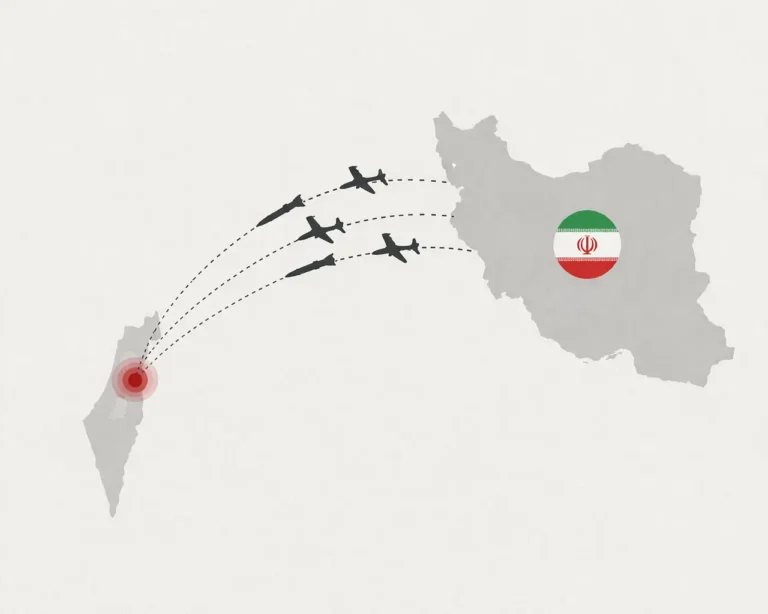
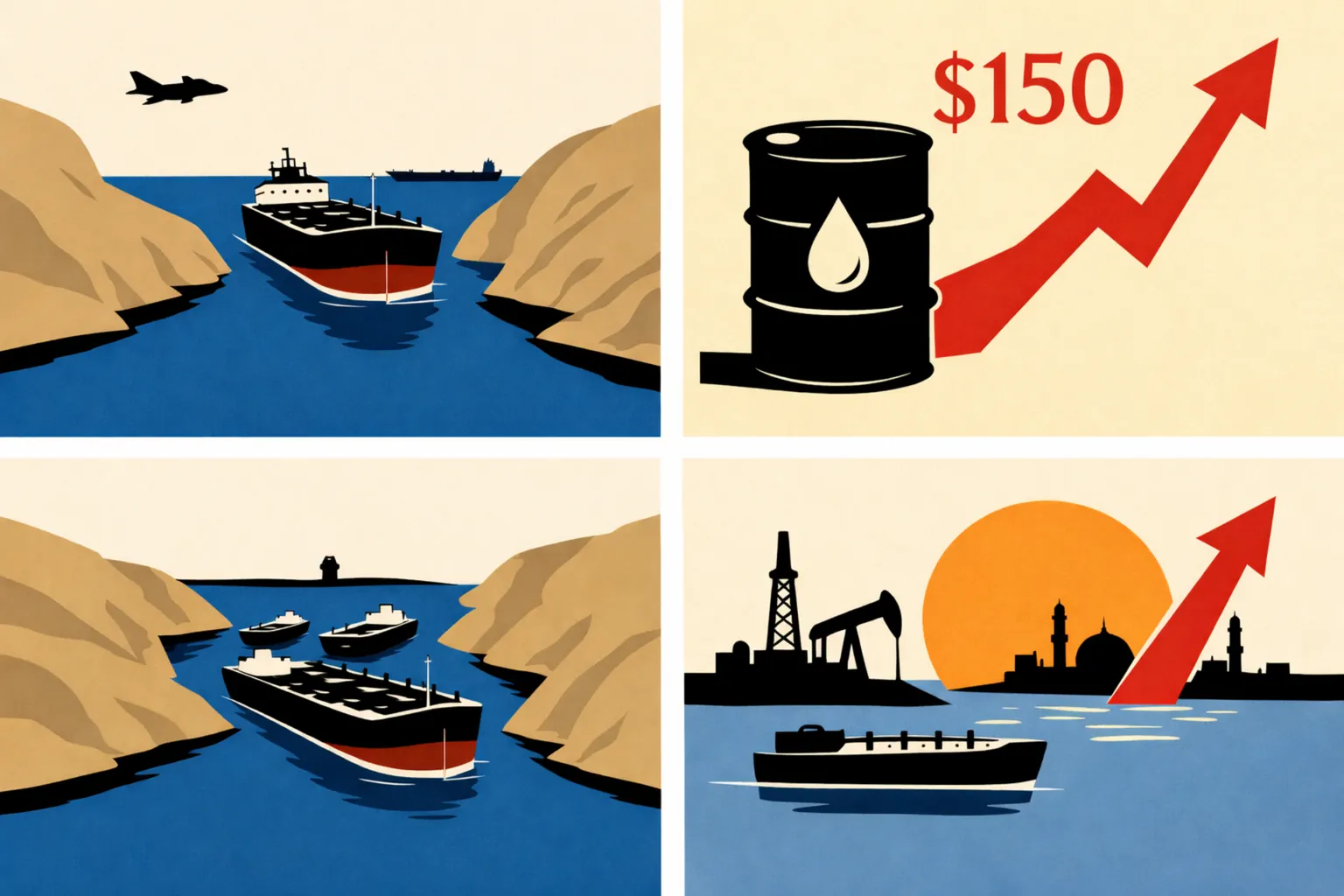
Bello framed Nigeria’s gas opportunity as more than a domestic policy story. He argued that the deceleration of the global energy transition, combined with geopolitical disruptions to traditional oil and gas supply routes, has handed Nigeria a second strategic window to transform its economy through its mineral endowment.
Dr. Bello described the moment as one in which energy, geopolitics and capital are increasingly intertwined, creating new imperatives for producing countries to position themselves as reliable long-term suppliers within a more fragmented global order. Bello emphasised the need for Nigeria to ally with global super and middle powers, even without necessarily choosing sides in the emerging multipolar world order, to secure capital and markets for its energy producers.
Dr. Abimbola Agboluaje, Founder and Managing Partner of Capitas Partners, announced said the Accelerator Programme aims to tackle a persistent barrier facing Nigerian independents: the inability to secure long-term investment even when they hold promising assets.
“Our mission is simple: move more Nigerian companies from licences to actual production,” he said.
“If ten companies pitch investors, seven or eight should be getting a ‘yes’—not one or two. We need to close the gap between investor interest and real investment.”
Agboluaje said the partnership with Savannah Capital is strategic because the firm is run many African investment banking and trade finance specialists who built their careers in the City of London.
“They understand what global capital is looking for, and because Savannah Capital is African-led, it is easier to have the frank conversations that are necessary to improve corporate governance and transparency and get oil companies to a stage where investors are comfortable funding their projects,” he added.
Engr. Felix Omatsola Ogbe, Executive Secretary/CEO of the Nigerian Content Development and Monitoring Board (NCDMB), represented by Mr. Ejiro Dortie, General Manager, Commercial Ventures, said the significantly improved regulatory and policy environment is encouraging both Nigerian and international oil companies to invest in gas monetisation.
Dortie highlighted the Ajaokuta–Kaduna–Kano (AKK) and OB3 pipelines as critical gas infrastructure projects currently underway, noting that the NCDMB is working to ensure strong Nigerian participation in the delivery of these critical infrastructure assets.
He also disclosed that the NCDMB, through the Nigerian Content Intervention Fund (NCIF), provides single-digit, long-tenor financing of up to $10 million per burrower, administered through the Bank of Industry (BOI) and the Nigerian Export-Import Bank (NEXIM), to support domestic gas utilisation.
According to him, the fund has supported gas cylinder manufacturing, gas storage and distribution infrastructure, in line with the Federal Government’s drive to expand mass domestic adoption of gas for cooking and household energy.
Regulatory Framework
Engr. Gbenga Komolafe, Chief Executive of the Nigerian Upstream Petroleum Regulatory Commission (NUPRC), represented by Engr. Jennis Anyanwu, Deputy Director, Gas Production and Utilisation, said that Nigeria with over 50 Trillion Cubit Feet of gas available for monetisation, Nigeria has a lot of gas to pitch to the world.
He said the Commission is building a regulatory system to support the Tinubu administration’s ambition to use gas as a vehicle for industrialisation and export growth, adding that the NUPRC has issued 19 primary gas-related regulations to reduce barriers to production and provide clarity for investors.

“Some of these regulations are designed to balance gas exports with domestic gas delivery, in line with the objective of catalysing industrialisation through gas,” Anyanwu said.
He added that the Commission has organised industry engagements and investment roadshows that bring asset owners together with investors, equipment manufacturers and financiers.
According to him, the NUPRC has also held dedicated sessions with gas producers under the Decade of Gas initiative to identify impediments to gas development, which he said range across regulatory, fiscal, commercial and infrastructure issues. He said these engagements informed the framing of the recent Presidential Executive Orders, widely seen as having helped stimulate new investment in the sector.