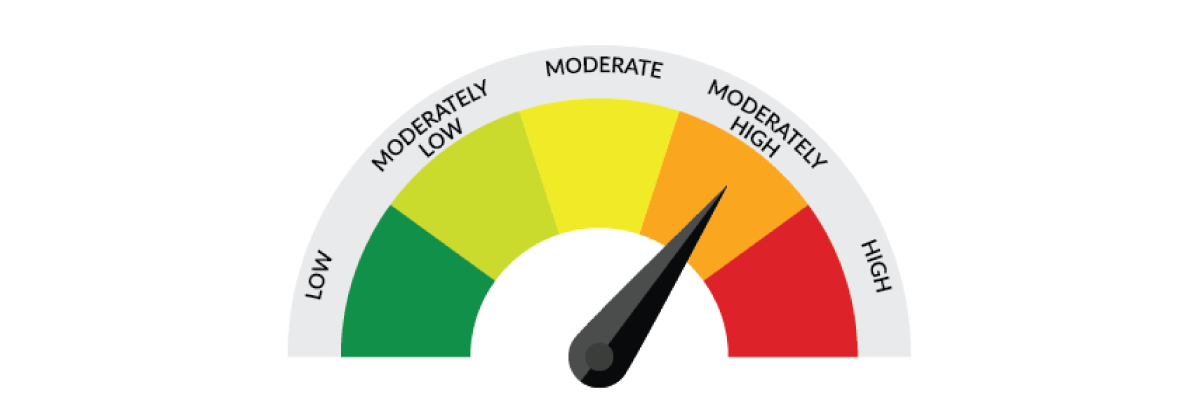
Afrinvest has raised concerns about Nigeria’s 2026 fiscal outlook, describing the 2026 budget deficit assumptions of about N23.9 trillion as a worrying sign judging by Nigeria’s persistent revenue underperformance.
Speaking during a media briefing, Afrinvest’s Macroeconomic Strategist, Damilare Asimiu, said global risks have shifted over the past five years from broad-based shocks to more selective and region-specific pressures.
He describes the budget as more realistic than in previous years, particularly with respect to oil production and pricing. Oil revenue remains a key vulnerability. With global oil prices expected to remain subdued—potentially in the $56–$60 per barrel range.
AFRI-Invest warned that any significant deterioration in oil prices or production levels could exacerbate fiscal stress and undermine macroeconomic stability.
In response, the firm expects the Federal Government to intensify tax collection efforts in 2026 as oil revenues remain constrained. While this may help close part of the fiscal gap, Asimiu stressed that transparency and accountability in the use of tax proceeds will be critical, particularly as Nigeria’s public debt continues to rise.

On monetary policy, Afrinvest expects the Central Bank of Nigeria (CBN) to remain cautious in 2026. Despite easing inflation following rebasing effects, the CBN is likely to prioritise exchange rate stability and investor confidence.
Overall, Afrinvest concluded that while 2026 offers prospects for stronger and more stable growth globally and in parts of Africa, Nigeria’s outlook will depend heavily on fiscal discipline, oil sector performance, and the effective management of monetary and structural reforms.