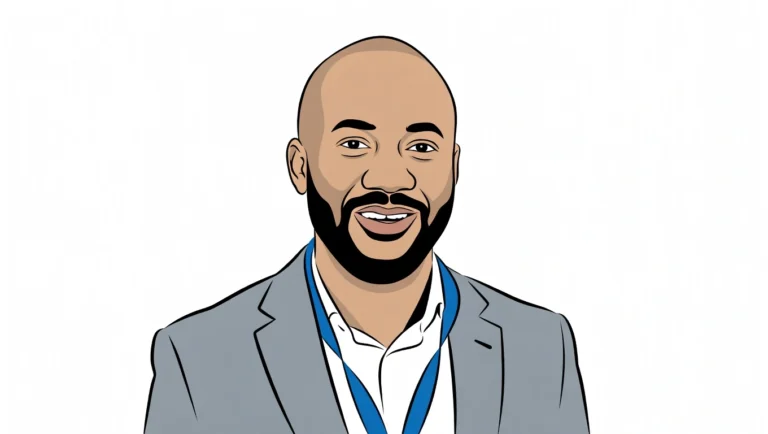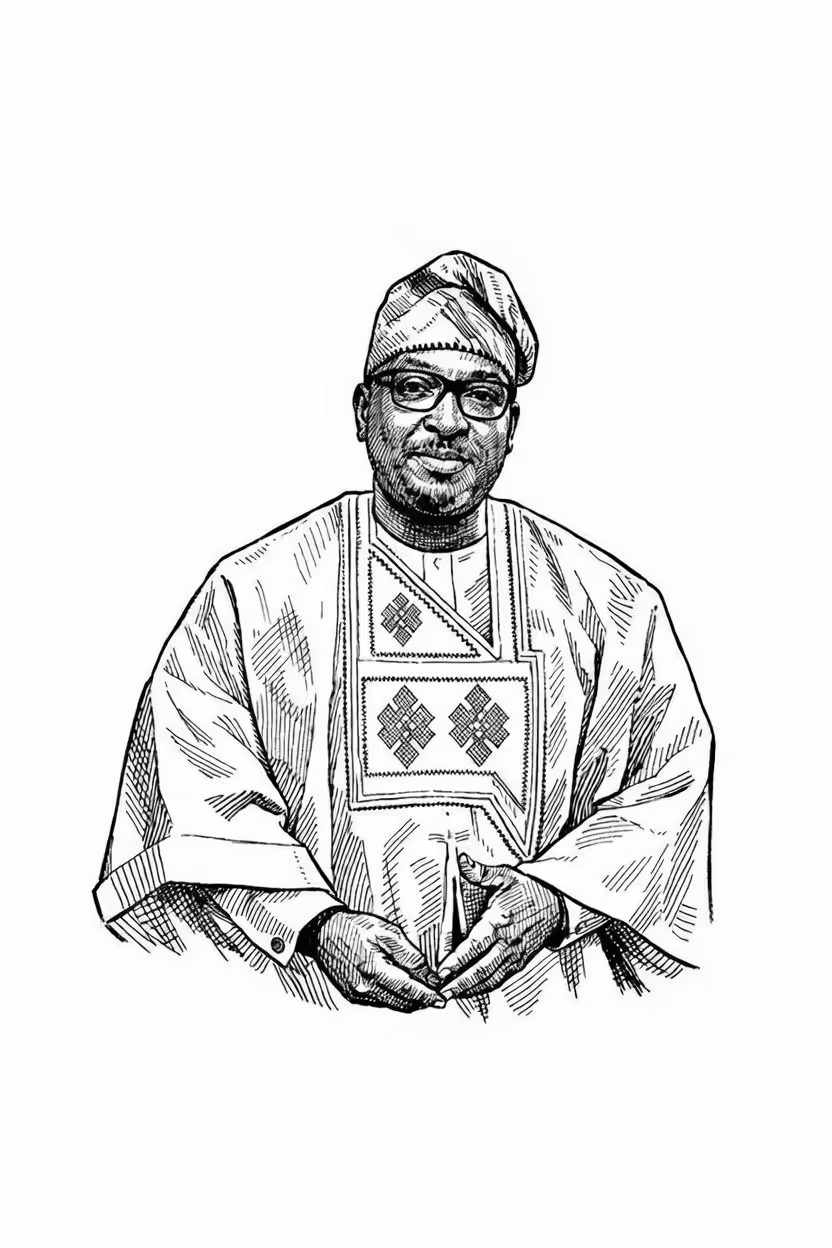
Chairman of Shoreline Group, Mr. Kola Karim, has urged Nigeria to raise its oil production target to five million barrels per day (bpd) by 2030 up from the current government goal of three million barrels per day as part of a broader strategy to strengthen the country’s energy infrastructure and economic resilience. Kola Karim’s emphasis on oil production underscores his commitment to the industry.
Speaking with Arise News Business Correspondent Rotus Odiri on the sidelines of the Future Investment Initiative (FII) in Riyadh, Saudi Arabia, Karim said Nigeria’s abundant reserves and youthful workforce position it to become a top global oil producer if leadership and execution improve. Kola Karim Oil production plans are aimed at asserting Nigeria as a leader in the field.
“The focus shouldn’t be three million barrels. By 2030, Nigeria should aim for five million, highlighting Kola Karim’s vision for enhanced oil production.
“America is at 12.5 million barrels now and wants to go to 15. Saudi Arabia is at 11.5. Ten years ago, the UAE was producing the same as Nigeria at 2.5 million, but today, they’re at 4.2 million barrels We should not take this for granted.” Karim said. "Kola Karim Oil production goals reflect the potential for growth in Nigeria’s oil sector.”
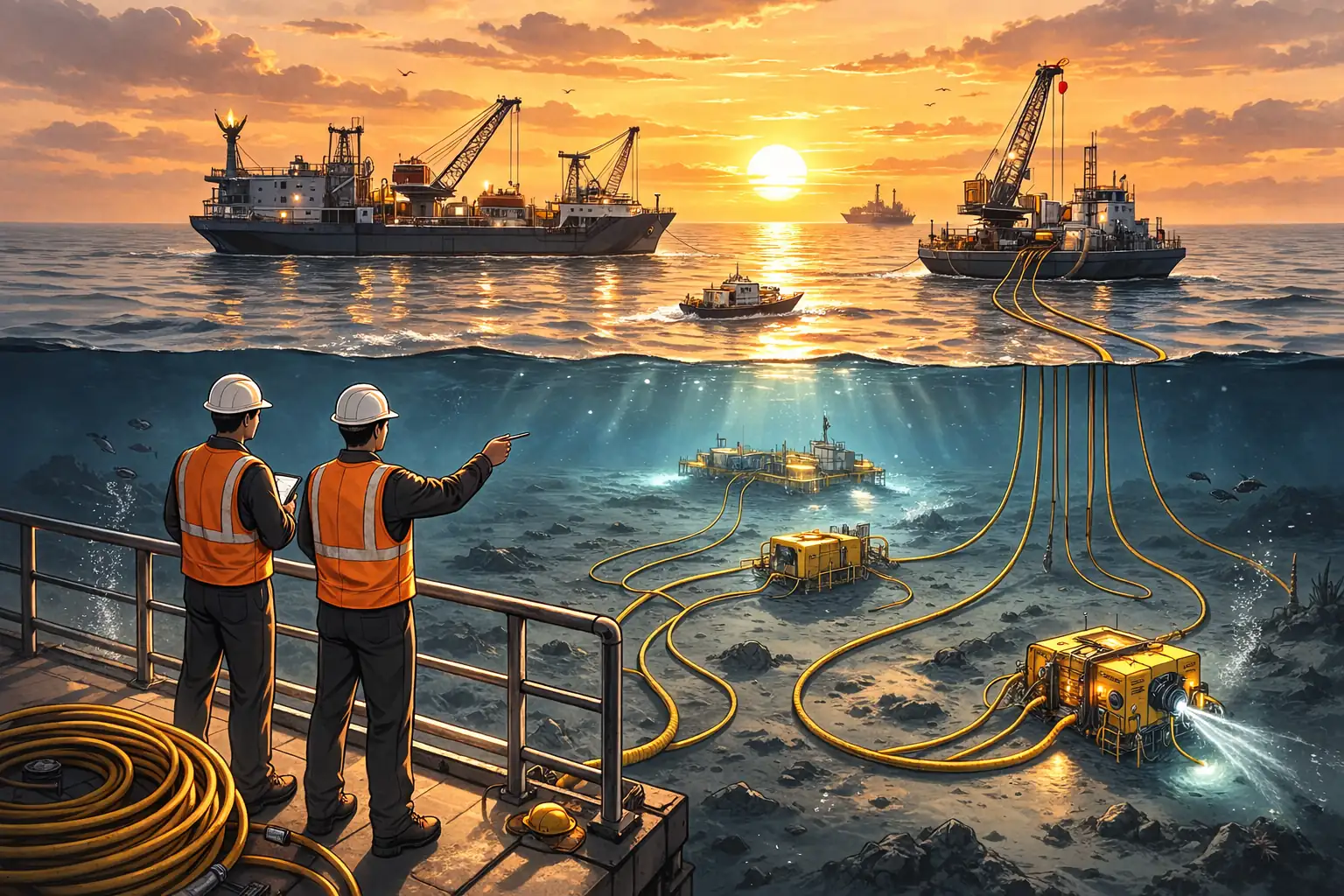
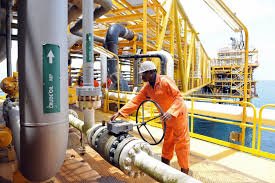
Karim commended President Bola Tinubu’s administration for introducing reforms through an executive order that raised the spending limit for oil and gas operators from $2 million to $10 million, enabling companies to acquire and install much-needed infrastructure. “Before now, $2 million couldn’t even buy a compressor,” he explained.
“The problem with Nigeria’s oil and gas industry is not reserves — it’s above-ground infrastructure. We’re still operating equipment from the 1970s. This executive order changed the game.”
The Shoreline Group boss also highlighted a surge in drilling activity, noting that Nigeria’s rig count is the highest it has been in three decades, thanks to clearer policies and closer coordination between operators and regulators under the Petroleum Industry Act (PIA).
Gas and Energy Transition
Karim emphasized that Nigeria must simultaneously grow its natural gas value chain, describing it as a “missed opportunity.” Despite having 210 trillion cubic feet (TCF) of proven reserves, he lamented that the country operates only a seventh LNG train, while peers like Qatar have reached 20 trains.
He praised the government’s push for Compressed Natural Gas (CNG) as a cheaper transport alternative but cautioned that infrastructure and safety systems must match the ambition. “CNG is gas — it has to be transported and dispensed safely. Without an effective distribution system, buses won’t deliver the intended savings,” he warned.
On energy transition, Karim echoed sentiments shared by Aliko Dangote, arguing that Africa must set its own pace rather than follow Western timelines. “Africa contributes less than 3% of global emissions,” he noted. “We shouldn’t be judged by the same standards as industrialized nations that are already on their fourth industrial revolution. We must grow on our own terms, using oil, gas, hydro, and solar together.”
Leadership and Africa’s Development
Karim also called for stronger leadership accountability and a renewed social contract between the private and public sectors. He said Africa’s biggest challenge is not a lack of resources but poor execution. Africa holds 26% of global natural resources and has the world’s youngest population — over 65% under 30,” he said. “Our risk isn’t resources, it’s leadership and structure. We must build prosperity at home or risk mass migration destabilizing other regions.”

He added that the global community should view investment in African infrastructure as a shared responsibility. “If I come to you to build a power plant or a railway, you should oblige because helping Africa grow helps stabilize the world,” Karim said.
The interview, which took place during the ninth edition of the Future Investment Initiative (FII9), underscored Nigeria’s need for strategic leadership, energy diversification, and long-term investment to unlock its full economic potential.