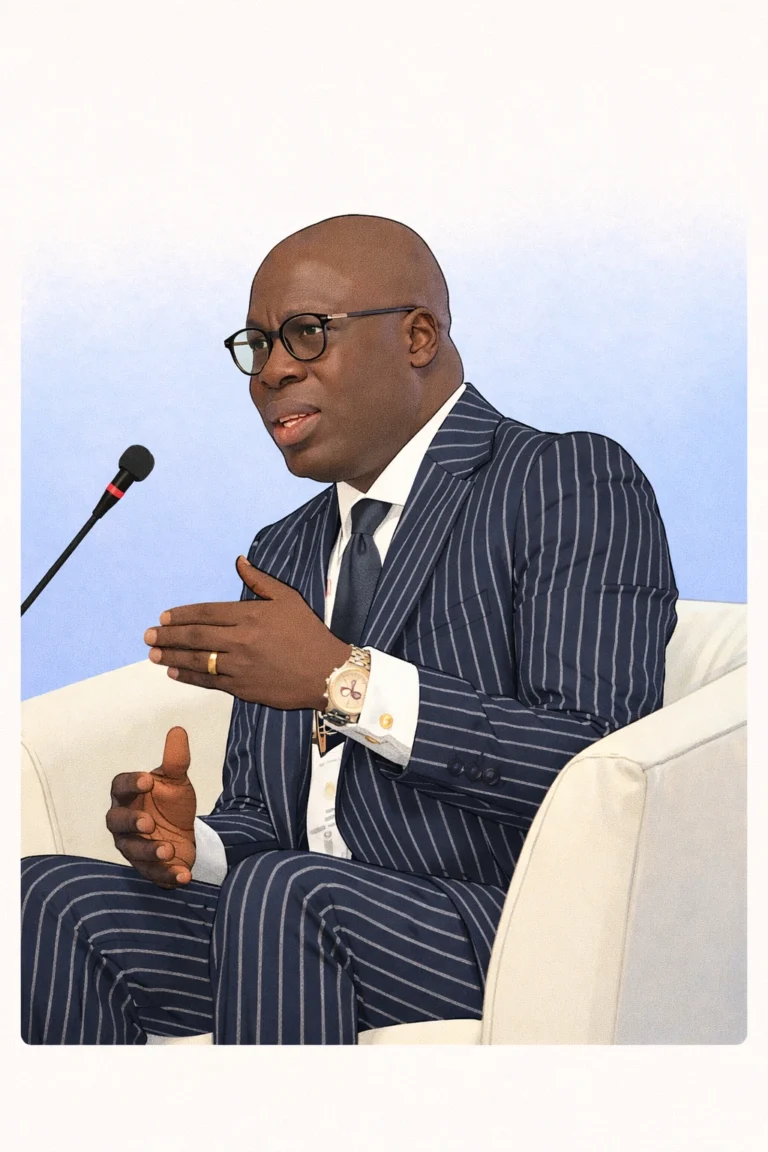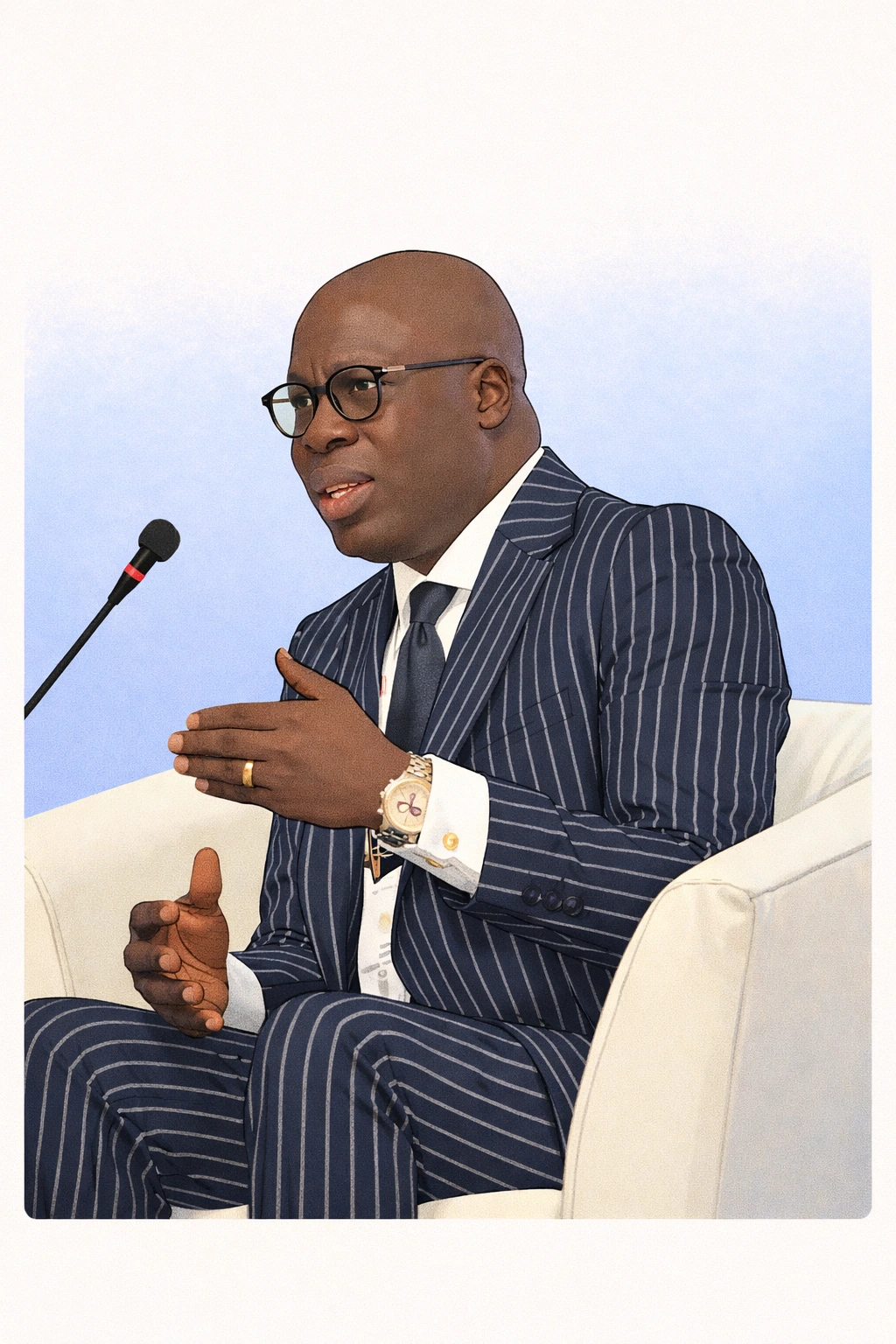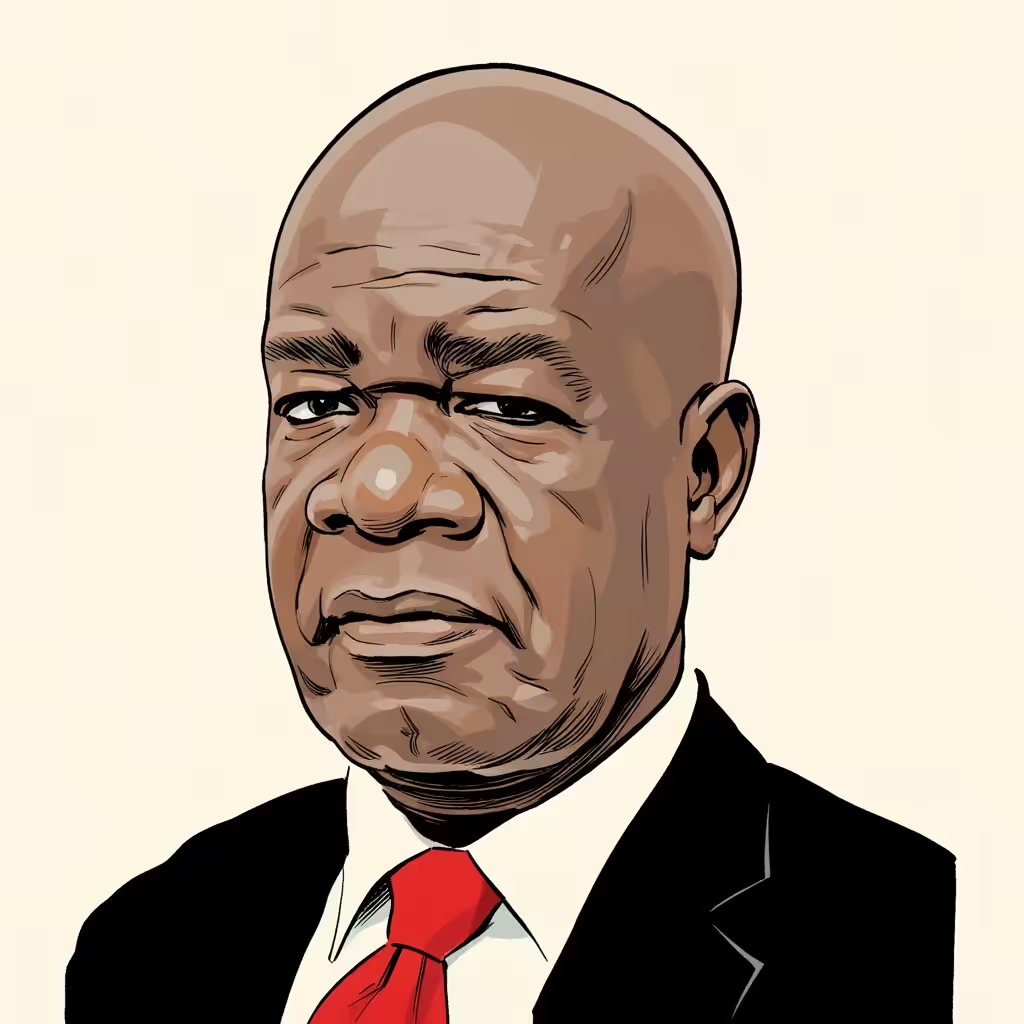
Sherifat Adegbenro has stepped into a pivotal leadership role as Acting Chief Executive Officer of Eko Electricity Distribution Company (Eko Disco) following approval by the Nigerian Electricity Regulatory Commission (NERC).
Her appointment comes at a time of heightened regulatory scrutiny and rising performance expectations across Nigeria’s electricity distribution sector.
She steps into the role after serving as Deputy CEO, having risen through the organisation over more than a decade. During that time, she built experience across audit, compliance, and commercial optimisation—functions that sit at the core of the sector’s operational and financial challenges.
A Leadership Transition in Motion
Adegbenro’s elevation is the latest development in a sequence of leadership changes at Eko Disco over the past five years, reflecting both internal restructuring and wider pressures within Nigeria’s electricity market.
The company appointed Tinuade Sanda as Managing Director and CEO in 2022, marking a significant shift in leadership. In 2024, Rekhiat Momoh assumed the role in an acting capacity following Sanda’s exit and was subsequently confirmed as substantive CEO in 2025. By early 2026, Wola Joseph-Condotti had been appointed interim CEO. Now, with NERC’s approval in March 2026, Adegbenro has taken over as Acting CEO.
Taken together, this sequence underscores a period of accelerated leadership turnover at one of Nigeria’s most commercially significant utilities, placing a premium on institutional continuity, operational discipline, and regulatory alignment.
Profile: Education, Certifications and Professional Formation
Adegbenro’s professional formation reflects a strong grounding in accounting, governance, and sustainability—disciplines that are increasingly central to the transformation of Nigeria’s power sector.
She earned a Bachelor of Science in Accounting from Brooklyn College and later obtained a Master of Science in Management, with a focus on accounting, from University of Maryland Global Campus. Her academic background has been complemented by globally recognised professional certifications.
She is a Certified Internal Auditor (CIA), accredited by the Institute of Internal Auditors, and holds a Sustainable Investing Certificate from the CFA Institute, obtained in 2025. In 2026, she completed a Corporate Sustainability programme at NYU Stern Executive Education.
This blend of audit expertise and sustainability training reflects the evolving expectations of leadership in the electricity sector, where governance, ESG considerations, and capital discipline are increasingly intertwined.
Career Trajectory: From Audit to Sector Reform
Adegbenro’s career spans more than two decades across the United States and Nigeria, with a consistent focus on audit, risk management, and operational control.
She began her professional journey in pension fund auditing, working at the H.E.R.E.I.U Welfare and Pension Fund between 2002 and 2005. She then moved into consulting and professional services, joining PricewaterhouseCoopers as a Senior Internal Auditor, where she worked from 2005 to 2011 in the Washington DC–Baltimore area.
Her career then progressed into the financial services sector, where she held compliance and operational risk roles at Freddie Mac between 2011 and 2013, gaining experience in large-scale financial systems, governance frameworks, and regulatory compliance.
Her transition into Nigeria’s power sector began in 2013 when she joined Kano Electricity Distribution Company as Chief Control and Compliance Officer. In that role, she led reforms across human resources, finance, IT, and metering systems, while also contributing to tariff modelling, infrastructure planning, and broader policy engagement with regulators and government.
In 2015, she joined Eko Disco under West Power & Gas Limited as Chief Audit and Compliance Officer, a role she has held for over a decade. During this period, she has driven enterprise-wide reforms in billing and vending systems, led ERP and metering upgrades, and strengthened revenue assurance frameworks aimed at reducing Aggregate Technical, Commercial, and Collection (ATC&C) losses.
Her work has also involved organisational restructuring tied to performance metrics, with a focus on improving operational efficiency and collections—areas widely recognised as the most critical bottlenecks in Nigeria’s electricity distribution segment.
Lagos: A $15 Billion Electricity Market with Structural Gaps
Adegbenro assumes leadership within one of Africa’s most significant subnational electricity markets, where the scale of demand and the complexity of supply constraints define both the opportunity and the challenge.
Lagos State requires an estimated 12,000 megawatts of electricity to sustain its industrial and commercial growth but currently receives only about 3,500 megawatts. This leaves a substantial supply gap of roughly 8,500 megawatts, which has become a central driver of policy reform and investment strategy.
The Lagos electricity market itself is estimated at approximately $15 billion, with projections of steady expansion driven by urbanisation, industrialisation, and regulatory reforms aimed at decentralising electricity supply and attracting private capital.
Within this landscape, Eko Disco—alongside Ikeja Electric—serves the most commercially dense customer base in Nigeria, covering high-value economic zones such as Victoria Island, Lekki, and Apapa. This concentration of economic activity has positioned Lagos as the focal point of Nigeria’s power sector transformation.
Strategic Implications
Adegbenro’s appointment signals a deliberate shift toward governance-led operational leadership at a time when execution, rather than policy design, has become the binding constraint in Nigeria’s electricity sector.
Her background in audit, compliance, and systems transformation positions her to prioritise improvements in revenue collection discipline, reduction of technical and commercial losses, and strengthening of regulatory credibility. These capabilities are also expected to play a role in supporting investor confidence as Lagos moves toward a more liberalised and investment-driven electricity market.

Her tenure will be closely watched as a test of whether internally developed, technically grounded leadership can stabilise performance in a sector still grappling with liquidity constraints and structural inefficiencies more than a decade after privatisation.
In that sense, her appointment is not merely a leadership transition. It is also a signal of the type of expertise now required to run Nigeria’s most commercially important electricity utilities.