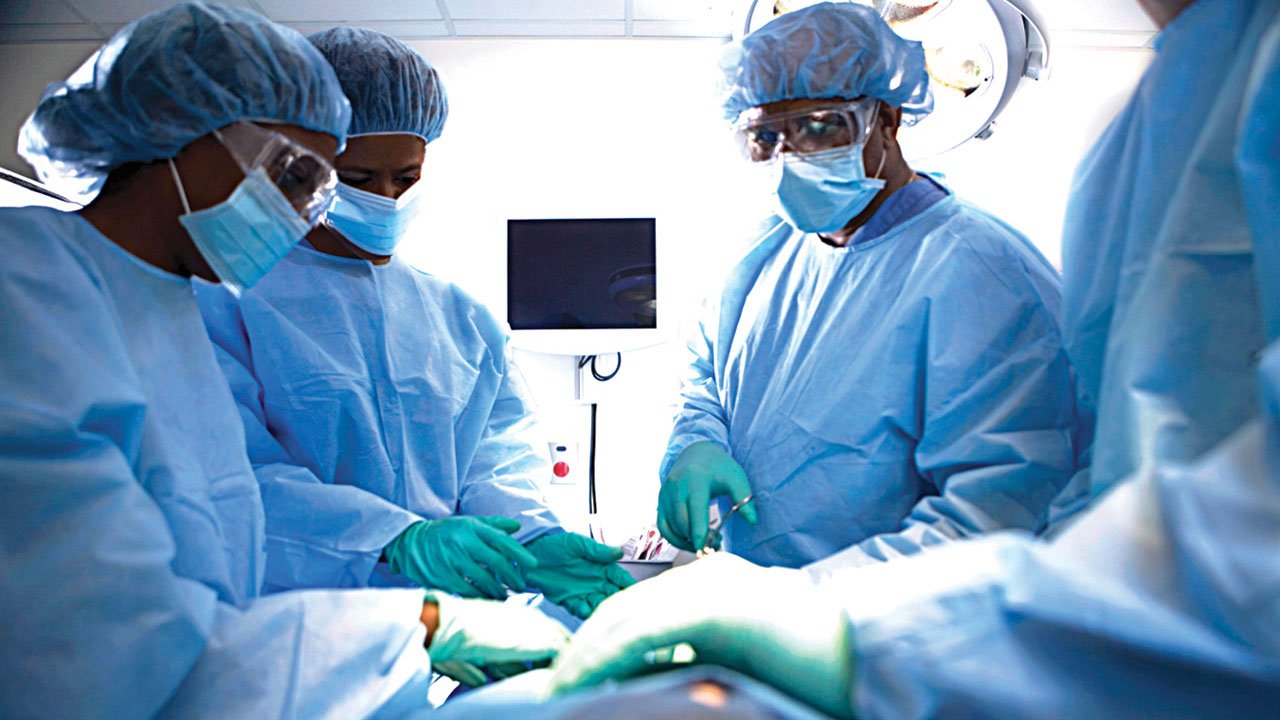
In the crowded wards of Nigeria’s public hospitals, medicine often feels less like a calling than a test of endurance. Doctors work marathon shifts in under-resourced facilities, earning wages that barely keep pace with inflation, while navigating chronic shortages of staff, equipment, and morale.
For many, the profession has become a Sisyphean routine—high responsibility, low reward. Yet only a few kilometres away, in private clinics across Lagos and Abuja, medicine tells a very different story. There, specialist skills are monetised, patients pay out-of-pocket, and clinical expertise becomes a source of wealth.
This contrast is not anecdotal. It reflects a structural fracture in Nigeria’s healthcare system—and within that fracture lies opportunity.
Nigeria’s public hospitals are sustained largely by sacrifice. With fewer than 24 doctors per 100,000 people—far below global benchmarks—those who remain carry impossible workloads. Junior and senior residents earn modest salaries that are rapidly eroded by currency depreciation, while consultants, despite their seniority, earn a fraction of what their counterparts make abroad. Long shifts, delayed promotions, and repeated industrial actions have become routine. Unsurprisingly, thousands of doctors emigrate each year in search of dignity, stability, and professional growth.
The consequences are measurable. Nigeria continues to record among the world’s highest maternal and under-five mortality rates; outcomes closely linked to human resource shortages and overstretched facilities. Despite recent financing initiatives, public health spending remains stubbornly low as a share of national expenditure, reinforcing a system where commitment is demanded but not rewarded. Within this environment, medicine feels thankless—not because the work lacks value, but because the system fails to recognise it.
And yet, medicine in Nigeria is not inherently unprofitable. Quite the opposite.
Private Sector
In the private sector, doctors who possess scarce skills—or who position themselves strategically—often earn multiples of public-sector wages. Specialists in orthopaedics, cardiology, fertility medicine, dermatology, and cosmetic procedures routinely command high consultation fees. Many combine hospital appointments with private clinics, telemedicine, diagnostics, or procedural services, creating diversified income streams.
What distinguishes these practitioners is not only clinical competence, but entrepreneurial intent: an understanding of location, branding, service differentiation, and patient experience. There are indications that this is beginning to reverse medical tourism. This private healthcare ecosystem also offers enormous potentials for the training of resident doctors and this is already being utilised.
Here, medicine becomes a business—ethical, regulated, but market-responsive. Expertise is converted into equity. Time becomes revenue. Innovation becomes leverage. Access to capital and networks still shapes who succeeds, but the model itself is clear: where public systems ration care, private delivery responds to demand.
That demand is vast and growing.
Nigeria’s healthcare market is one of the largest in Africa, driven by population growth, urbanisation, and the rising burden of chronic disease. Most Nigerians still pay out of pocket for care, often delaying treatment until illness becomes severe. Diagnostic services are underutilised, preventive care remains weak, and digital health adoption is accelerating in response to congestion and distance. The result is a paradox: widespread unmet need coexisting with substantial revenue potential.
This is where the future of Nigerian medicine will be decided—not in choosing between public service and private gain, but in redesigning how care is delivered and financed.
New models are already emerging. Telemedicine platforms allow doctors to monetise expertise beyond physical clinics. Diagnostic hubs and laboratory networks scale services efficiently. Fintech-enabled health loans and “pay-later” models help patients spread costs, expanding access while protecting provider revenue. Results-based financing rewards outcomes rather than inputs. Artificial intelligence reduces diagnostic costs and improves throughput. Hybrid models cross-subsidise care, using private income to support public referrals.
For doctors, these innovations offer a path out of drudgery without abandoning purpose. Clinical skill remains central—but it is paired with systems thinking, partnerships, and business literacy. The physician is no longer just a service provider within a failing bureaucracy, but a co-architect of healthcare delivery.
This shift does not absolve government of responsibility. Public hospitals will always anchor health systems, particularly for training, emergencies, and equity. But it does recognise a hard truth: Nigeria’s healthcare needs are too large to be met by the public sector alone. Private enterprise is not a threat to equity; unmanaged scarcity is.
The real divide, then, is not between public and private medicine, but between stagnation and imagination.
Investors also need to pay attention and have faith in the system. They can also leverage their business acumen to infuse the system with corporate governance and accountability.
Nigeria’s doctors stand at a crossroads. One path leads to continued exhaustion, migration, and decline. The other leads to innovation, entrepreneurship, and renewed professional dignity. The market exists. The need is overwhelming. What remains is the courage to reimagine medicine—not merely as sacrifice, but as sustainable, scalable service.

In that reimagining lies the possibility of a healthier nation—and a profession once again worthy of its promise.
Dr. Muhammad Shakir Balogun is an Epidemiologist