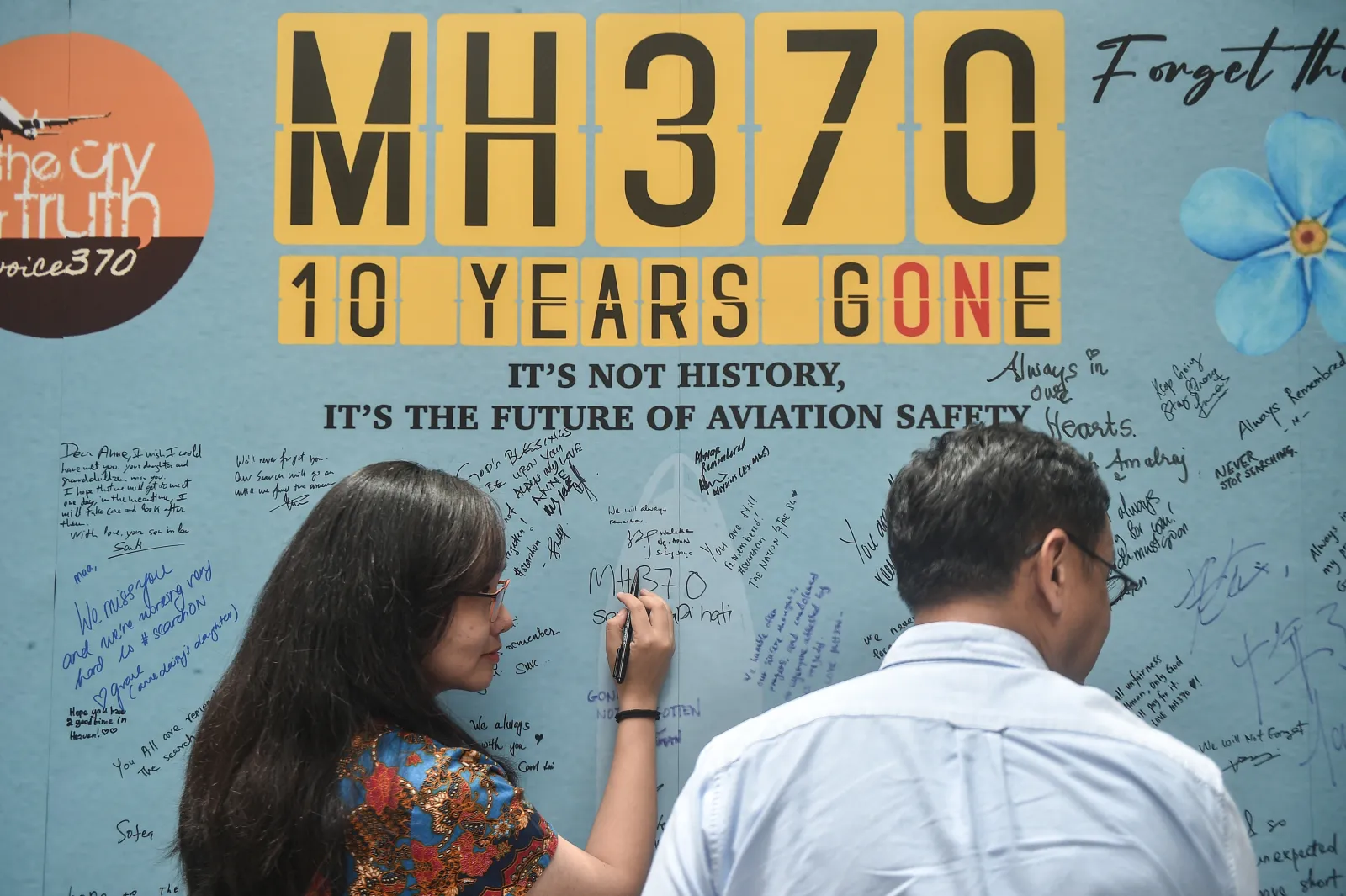
Malaysia is reopening one of aviation’s biggest mysteries, restarting the search for Malaysia Airlines Flight 370 more than 10 years after the plane vanished with 239 people on board. The government has approved a new deep-sea operation led by Ocean Infinity, marking the most significant move on the case in years.
Malaysia’s decision to resume the MH370 search signals a new chapter in a tragedy that continues to haunt global aviation. The disappearance in March 2014 triggered massive international campaigns and produced a long trail of theories, yet families of victims still lack answers.
The renewed effort also reflects Malaysia’s political and technical willingness to revisit a mission often considered too complex and too costly, even as the public remains emotionally invested in the outcome.
Key Details of the Relaunched Search
Malaysia’s Transport Ministry confirmed that a new deep-sea mission will begin December 30, targeting an area experts believe holds the highest chance of locating the Boeing 777. The ministry said the renewed effort is aimed at “providing closure to the families affected by this tragedy.”
Ocean Infinity, the U.S.- and U.K.-based marine robotics company, will conduct a 55-day intermittent search using advanced autonomous underwater vehicles. The firm will focus on a section of the southern Indian Ocean mapped out through new assessments.
A deal finalized in March permits Ocean Infinity to scan a 15,000-square-kilometer section of seabed under a “no-find, no-fee” arrangement. Malaysia will pay $70 million only if wreckage is discovered, a structure designed to manage financial risk.
The search had been suspended in April due to bad weather, highlighting the extreme challenges of deep-ocean operations where visibility, currents and terrain slow progress.
What Experts Are Saying
Malaysia’s Transport Ministry said: “The latest development underscores the Government of Malaysia’s commitment in providing closure to the families affected by this tragedy.” Families of victims have long demanded a fresh effort as technology improves.
Researchers say the case remains unusually difficult. Usama Kadri of Cardiff University earlier explained that “Airplane crashes in the sea are rare and mostly found within a short time… Crashes involve many variables, from size, speed, to mode of impact, which can result in different signals to no signals at all.”

What Happens Next
If the new search finds no debris, the MH370 mystery may continue to frustrate investigators and families waiting for answers. But if substantive wreckage is discovered, it could finally allow investigators to determine what happened and bring long-awaited closure.
A 2018 investigation noted that the aircraft’s controls were likely “deliberately manipulated,” though it could not name those responsible without physical evidence. Finding the wreckage remains the only path to resolving key questions.