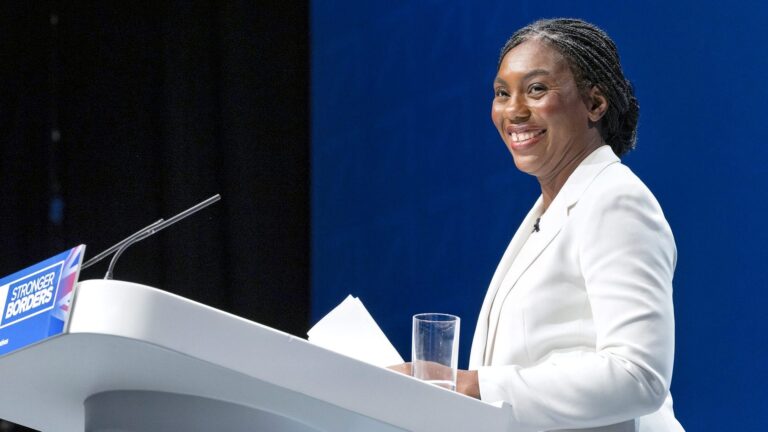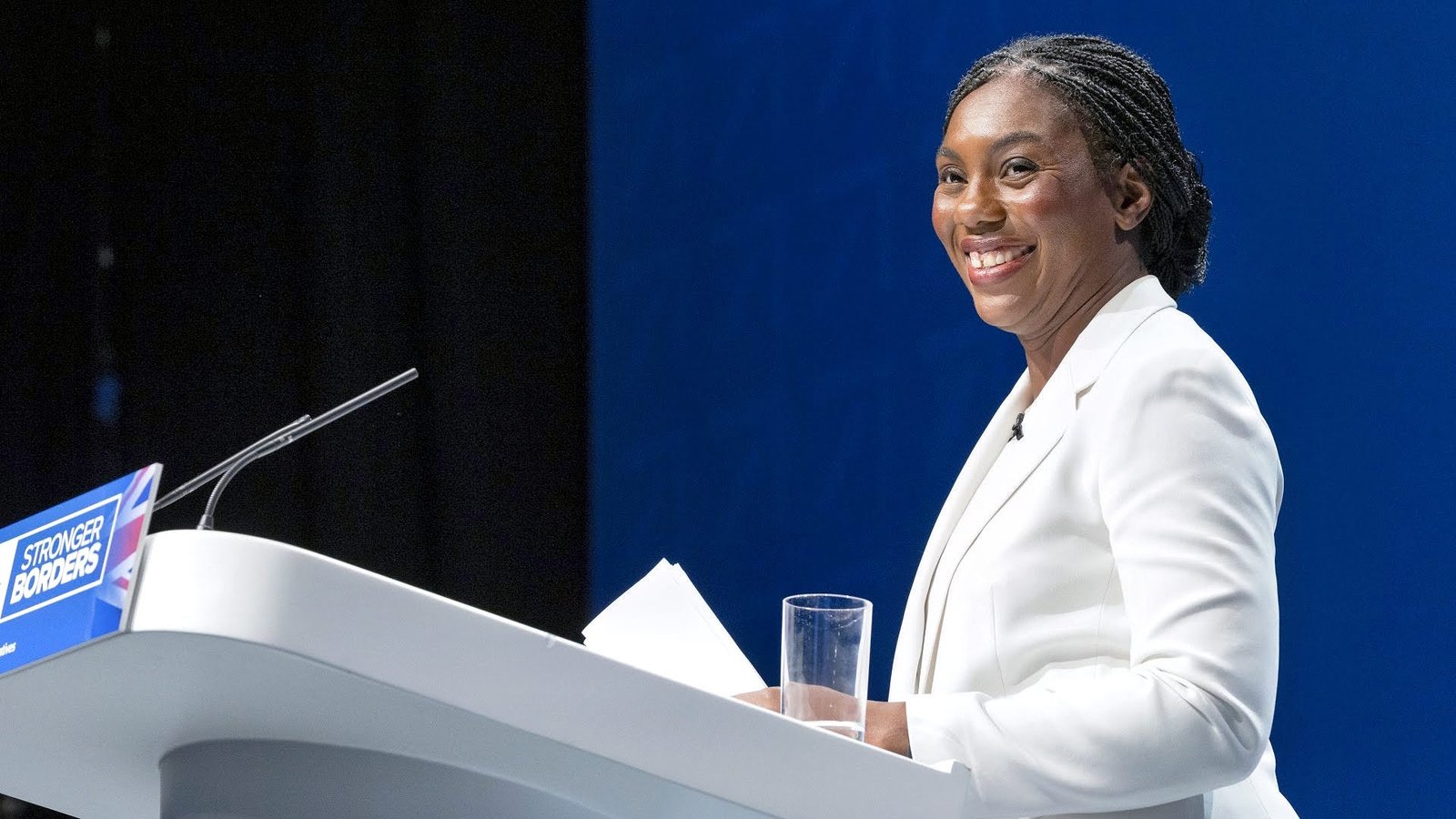
The UK’s Kemi Badenoch-led Conservative Party has proposed scrapping Value Added Tax (VAT) on household energy bills for three years, arguing the move would cushion families against rising costs triggered by geopolitical instability in the Middle East.
The proposal comes as concerns grow over global oil markets following tensions linked to Iran, with analysts warning that prolonged conflict could drive up crude prices and, by extension, household energy costs in the UK.
Currently, VAT on domestic energy is set at 5%. The Conservatives estimate that removing it would save the average household around £94 annually based on projected energy price caps expected from July. The broader package, which includes scrapping certain green levies, is projected by the party to deliver savings of up to £200 per year.
To offset the revenue loss, the Conservatives propose dismantling several renewable energy subsidies, including support for heat pumps and long-standing green certificate schemes introduced under Ed Miliband. These certificates, part of the Renewable Obligation framework, are currently scheduled to run until 2037.
The party also advocates expanding oil and gas extraction in the North Sea and scrapping the windfall tax imposed on energy companies, arguing that increased domestic production would boost tax revenues and enhance energy security.
Labour Party Pushback
However, the Labour government, led economically by Chancellor Rachel Reeves, has already moved to reduce some levies by shifting costs to general taxation rather than consumer bills. Labour has also ruled out new exploration licences in the North Sea, though it maintains that oil and gas will remain part of the energy mix in the near term.
Criticism from within the government has been sharp. Treasury minister Dan Tomlinson dismissed the Conservative plan, arguing that increased drilling would not translate into lower household bills and warning that removing the windfall tax would reduce funds available for cost-of-living support.

Meanwhile, Reform UK has accused the Conservatives of adopting its policy platform, having previously called for both VAT and green levies on energy bills to be scrapped entirely.
The debate underscores a broader policy divide in the UK: whether short-term relief through tax cuts and fossil fuel expansion should take precedence over long-term investment in renewable energy and decarbonisation.