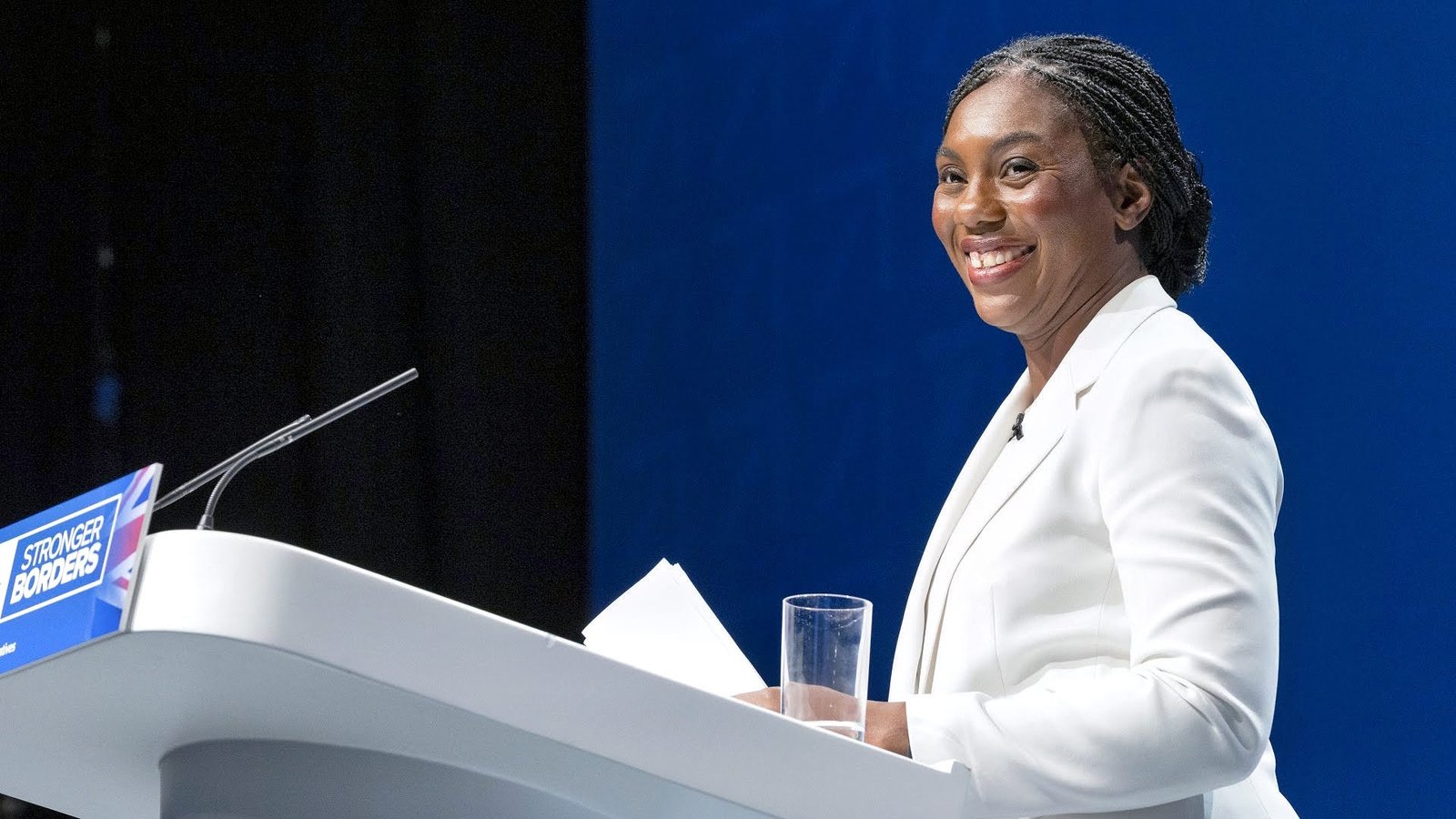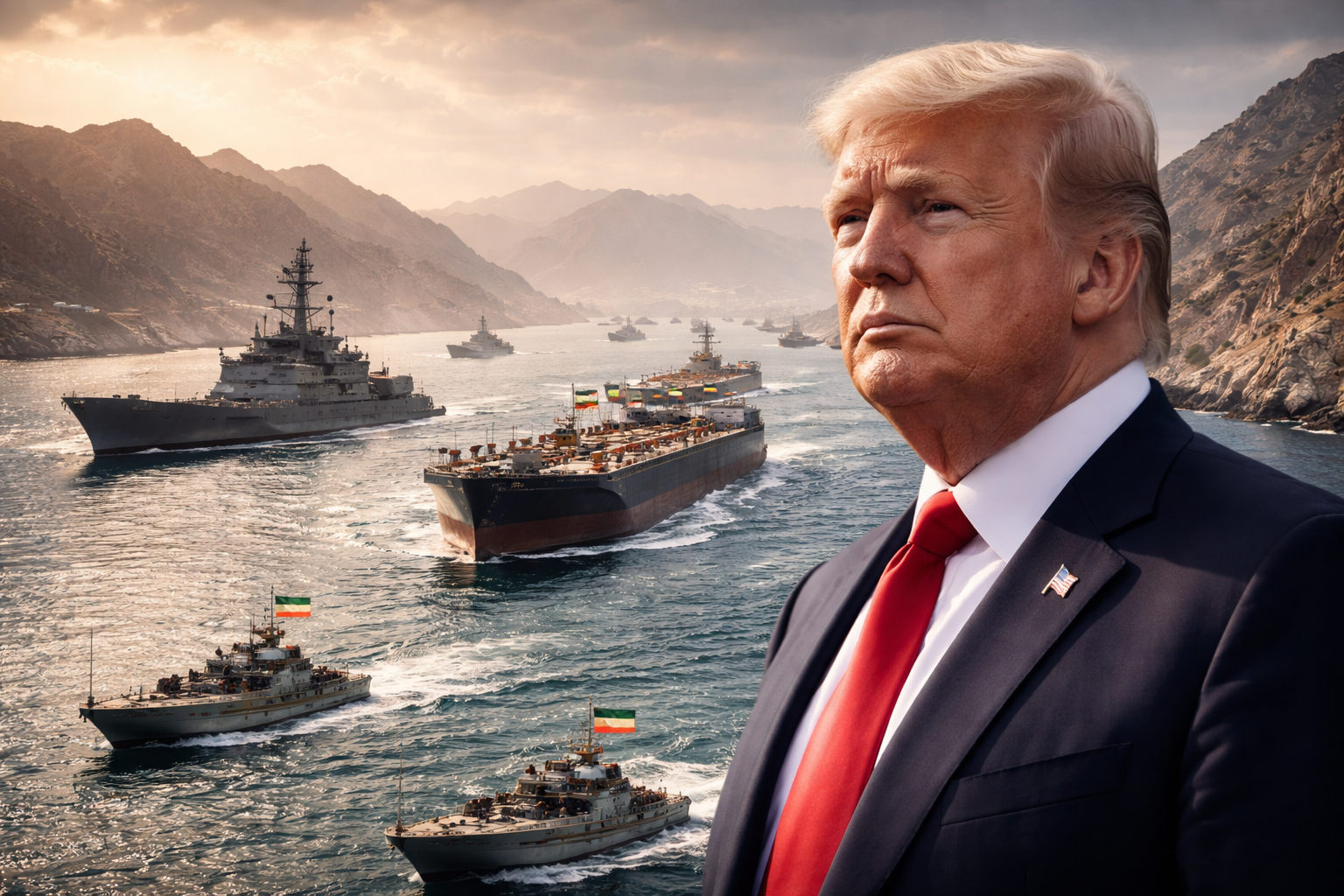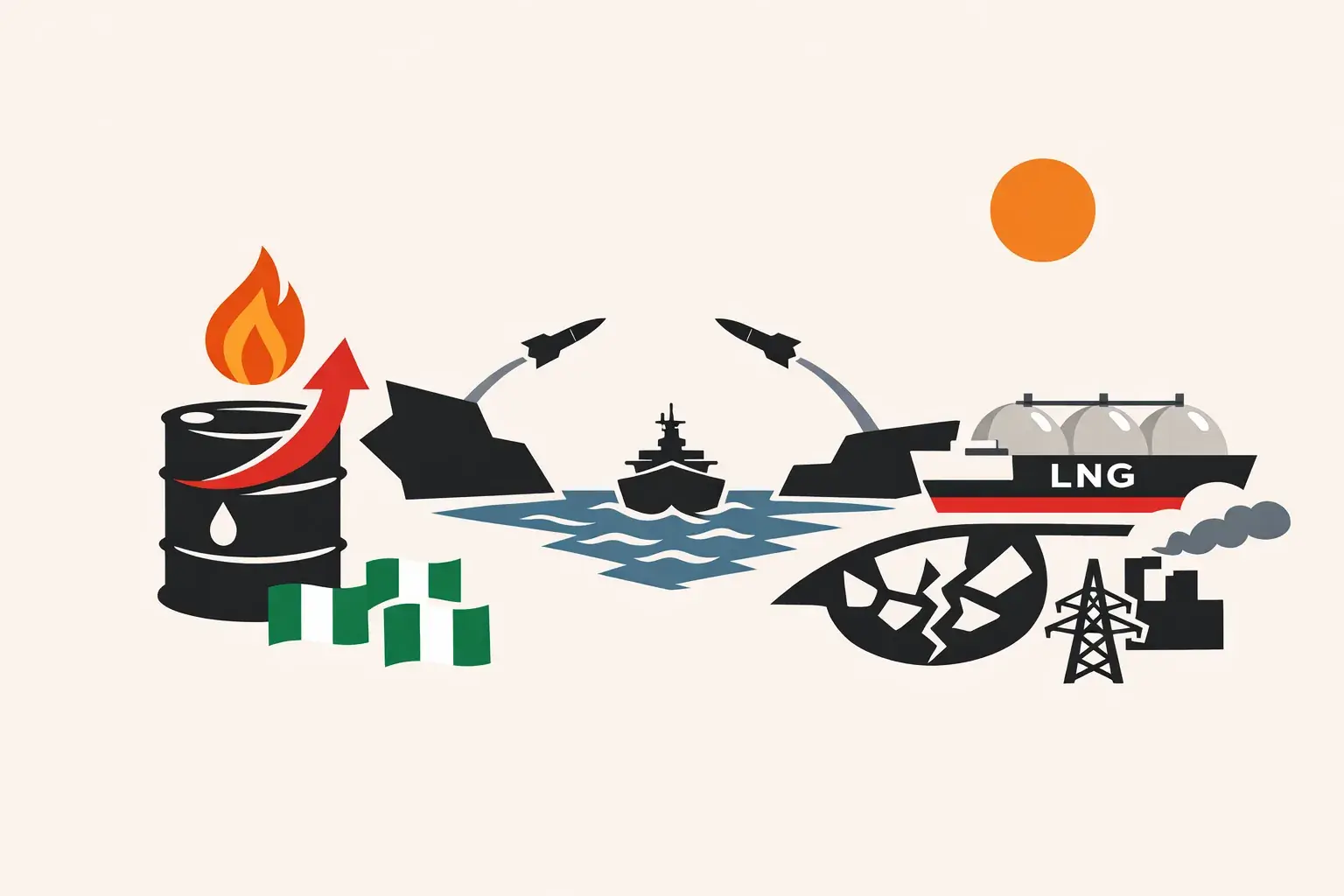
Rolake Akinkugbe-Filani, Managing Director/CEO of EnergyInc Advisors Limited, has cautioned that the recent surge in oil prices triggered by escalating tensions between the United States and Iran should not be mistaken for a structural breakthrough for Nigeria’s energy sector.
In a detailed intervention on the evolving global energy shock, Akinkugbe-Filani argues that the current price spike reflects a geopolitical risk premium rather than a durable reset in global supply-demand fundamentals — and that Nigeria’s true opportunity lies elsewhere.
Oil Is the Headline, Gas Is the Shock
Brent crude has risen sharply amid concerns that conflict in the Gulf could disrupt energy flows. European gas markets reacted even more dramatically after attacks forced a shutdown of Qatari LNG production, with benchmark prices reportedly jumping nearly 50% in a single trading session, according to Financial Times reporting citing ICE exchange data.
But Akinkugbe-Filani stresses that oil is not the most systemically destabilising molecule in this crisis.
“All LNG exports from Qatar transit the Strait of Hormuz,” she notes, citing data from the International Energy Agency (IEA). “There is no alternative maritime route. If flows are disrupted, the system cannot easily compensate.”
Unlike oil — which benefits from more flexible trade routes and strategic stockpiles — global LNG capacity is largely committed. When Russian pipeline gas was curtailed in 2022, European gas prices rose almost tenfold at their peak, forcing governments into fiscal interventions and contributing to inflation and industrial slowdown.
Gas shocks, she argues, move faster and cut deeper. They underpin electricity generation, fertiliser production and heavy industry. Fertiliser, in turn, drives food prices and social stability. Oil spikes may dent growth; gas shortages can destabilise economies.
Hormuz: A Structural Vulnerability
The US Energy Information Administration (EIA) estimates that roughly 20 million barrels per day of petroleum liquids — about a fifth of global consumption — transit the Strait of Hormuz. The IEA estimates that only around 4.2 million barrels per day can be rerouted via alternative pipelines.
Markets do not require a full closure to react. Insurance withdrawal, tanker hesitancy and elevated military risk are enough to embed a war premium into prices.
Complicating matters further, much of OPEC’s spare production capacity is geographically concentrated in the Gulf — meaning the very barrels expected to stabilise markets are themselves exposed to the chokepoint.
Akinkugbe-Filani argues that the futures curve tells a more nuanced story than spot prices. Short-dated contracts have moved sharply, while longer-dated contracts remain more anchored — suggesting that investors view this as a temporary war premium rather than a wholesale repricing of long-term oil assumptions.
High Prices ≠ Sustainable Advantage
The temptation in Nigeria is to equate higher oil prices with fiscal relief. But Akinkugbe-Filani warns that extreme spikes often contain the seeds of their own reversal.
Research from global financial institutions such as Mizuho Financial Group suggests that every sustained $10 increase in oil prices trims global growth by 10–20 basis points over the following year. Oil at $120 per barrel for a prolonged period would tighten financial conditions, reinforce inflationary pressure and constrain central banks.
For Nigeria, the arithmetic is more complicated than headline Brent suggests.
Production has struggled to rise materially above 1.5 million barrels per day in recent years. Higher prices therefore provide only partial fiscal relief. Meanwhile, Nigeria still imports significant refined products, even with the ramp-up of the Dangote Refinery. If global product markets tighten, landing costs rise — feeding transport and food inflation.
A stronger dollar, which typically accompanies geopolitical stress, also increases the burden of external debt servicing and amplifies imported inflation.
Geography Is Being Repriced
Where Akinkugbe-Filani sees genuine strategic opportunity is not in price, but in geography.
West African crude does not transit the Strait of Hormuz. Nigerian barrels are shipped through the Atlantic Basin. Atlantic LNG does not require passage through Gulf chokepoints. In a world newly conscious of concentration risk, buyers may reassess supply reliability.
Europe diversified away from Russian pipeline gas after 2022. A prolonged Gulf disruption would accelerate diversification logic once again.
“This is not about enjoying $100 oil,” she argues. “It is about demonstrating that your molecules can move when others cannot.”
That distinction is critical for Nigeria’s energy deal landscape.
Discipline Test for Indigenous Operators
Higher prices improve cash flow projections and may strengthen reserve-based lending capacity for indigenous Nigerian operators. But volatility also raises insurance costs, logistics complexity and financing spreads.
Operators who assume that a war spike represents a new pricing floor risk overcommitting capital. Those who use elevated prices to repair balance sheets, invest in uptime and optimise brownfield production are better positioned if premiums unwind.
Valuation gaps are also likely to widen. Sellers may anchor expectations to elevated front-month prices; buyers typically anchor to mid-cycle assumptions and probability-weighted scenarios.
Crisis Premium or Structural Advantage?
Akinkugbe-Filani reframes the central question confronting Nigeria’s energy sector.
The issue is not whether higher oil prices are “good” for Nigeria. The issue is whether Nigeria can convert crisis premium into structural advantage.
If the Strait of Hormuz reopens quickly and LNG flows resume, front-month premiums will unwind. But if markets internalise chokepoint risk more permanently, non-Gulf supply may command a reliability premium.
Nigeria’s opportunity lies in demonstrating:
Production reliability
Regulatory clarity under the Petroleum Industry Act framework
Operational stability in the Niger Delta
Credible gas infrastructure development

“Price is cyclical. Geography is structural,” she concludes.
From her vantage point, the winners in this energy shock will not simply be those who benefit from a temporary uplift in Brent. They will be those whose barrels and molecules can be financed, insured and delivered in an unstable world.