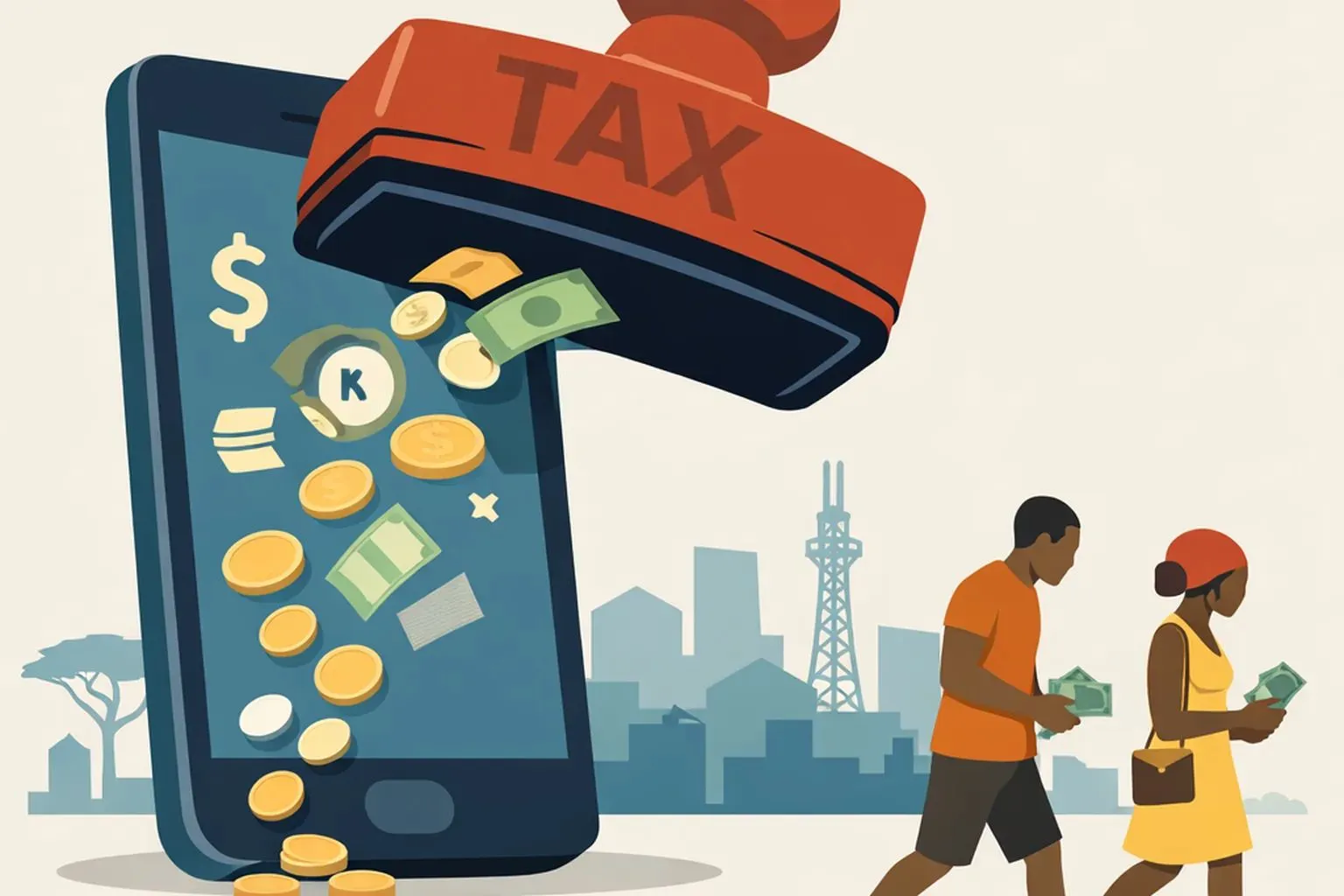
Mobile money has become one of the most important pillars of Africa’s financial system, with the value of transactions now exceeding 60% of Sub-Saharan Africa’s GDP, according to new research by the GSM Association (GSMA). Yet the same study warns that taxes on digital payments can sharply reduce usage, potentially slowing one of the continent’s most significant financial innovations.
The report, “Mobile Money Taxes and Affordability in Sub-Saharan Africa: Evidence on User Behaviour and Market Impacts,” shows how digital transaction levies are reshaping user behaviour, reducing transaction volumes and raising affordability concerns for low-income users.
A Digital Payments Revolution
Over the past decade, mobile money has transformed access to financial services across Sub-Saharan Africa.
According to the GSMA study, financial account ownership in the region has risen dramatically — from around 20% of adults in 2011 to nearly 60% by 2024 — largely due to the spread of mobile money services.
With a mobile phone and access to agent networks, users can send and receive money, pay bills and conduct everyday transactions without needing a traditional bank account. These services have proven particularly important for rural populations and small businesses that remain underserved by conventional banking.
The scale of the system is now immense. Mobile money transactions across Sub-Saharan Africa accounted for over 60% of GDP in 2023, highlighting how deeply digital payments have become embedded in everyday economic activity.
Beyond convenience, mobile money also contributes to economic growth. The report estimates that a 10-percentage-point increase in mobile money adoption can raise GDP by between 0.4% and 1.0% annually, as digital payments reduce transaction costs and improve economic efficiency.
Taxes That Change Behaviour
Despite its economic benefits, mobile money has increasingly attracted taxation as governments seek new sources of domestic revenue.
Several African countries have introduced levies on digital transactions, applying taxes to the value of transfers, withdrawals or service fees charged by mobile money providers.
But the GSMA research suggests these taxes can significantly reduce usage.
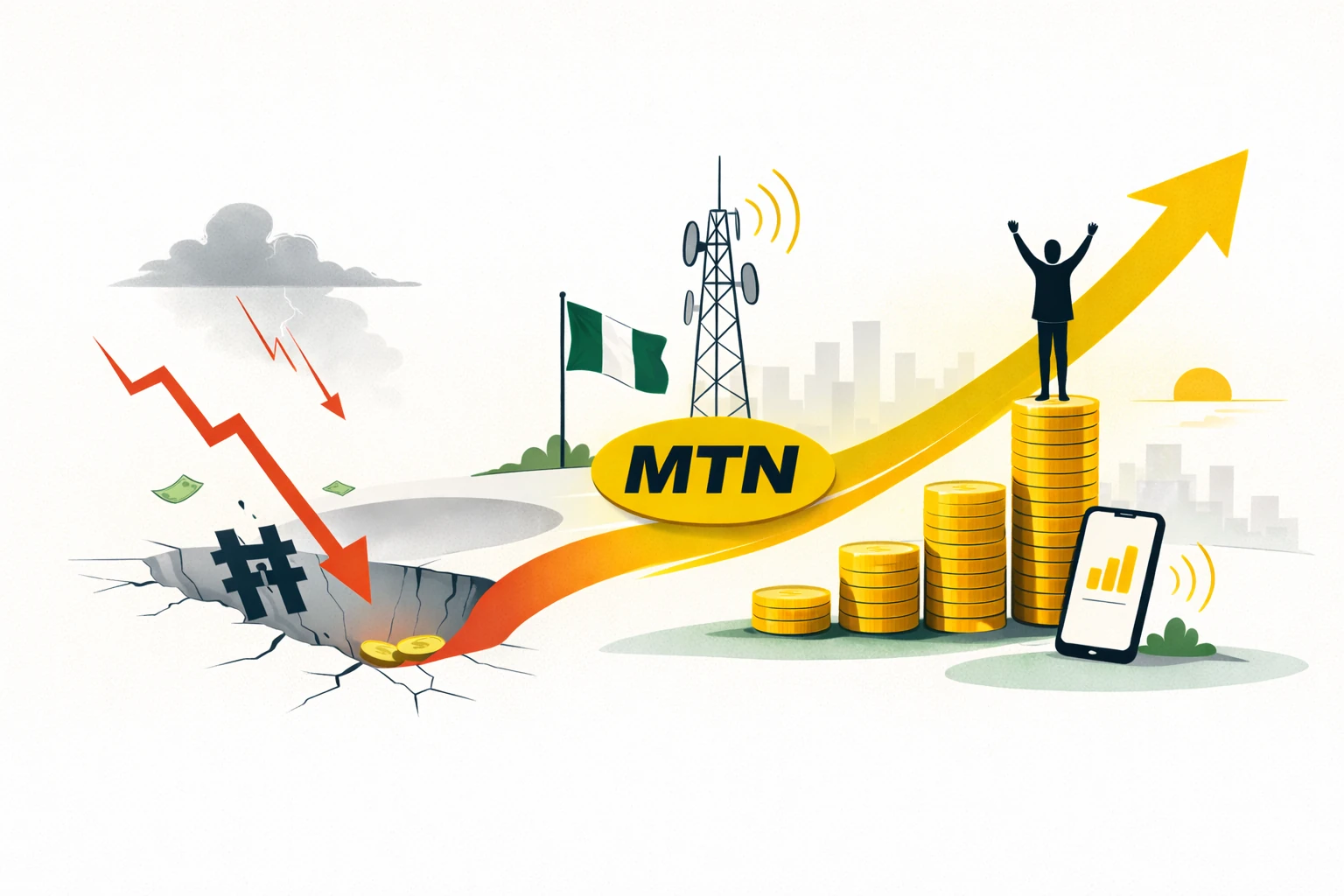
In Cameroon, the introduction of a mobile money tax was followed by a 40% decline in the monthly value of transactions, while in the Central African Republic the value dropped 47%. Over the same period, the number of transactions fell by 33% and 51% respectively.
Such behavioural shifts suggest that users quickly adjust when digital payments become more expensive.
An IMF analysis cited in the report found that introducing a tax on mobile money transactions reduces the probability that individuals report using mobile money in the previous year by about eight percentage points.
In practice, consumers often respond by consolidating transactions, reducing usage or reverting to cash.
A Heavy Burden for the Poor
While mobile money is often cheaper than traditional banking services, the report highlights significant affordability challenges for low-income users.
Across Sub-Saharan Africa, the average annual cost of mobile money fees is estimated at about 2.8% of GDP per capita, used as a proxy for average income.
For the poorest 20% of the population, however, the burden can rise dramatically — reaching around 80% of annual income in some scenarios.
This disparity reflects the pricing structure of mobile money services. Smaller transactions — more commonly used by low-income households — often carry higher percentage fees.
Taxes on mobile money can further increase the final cost paid by users, intensifying this burden.
Limited Fiscal Gains
Despite their impact on digital financial services, mobile money taxes often generate relatively modest government revenue.
Evidence cited in the report suggests such levies typically account for around 1% of total tax revenue in many countries where they are implemented.
While governments see digital transaction taxes as a tool for expanding domestic revenue mobilisation, researchers warn that the broader economic costs may outweigh the fiscal gains if poorly designed.
Designing Smarter Digital Taxes
The GSMA report argues that better policy design can reduce the negative effects of mobile money taxation.
Among its recommendations:

- keep levy rates below 2% of transaction values to avoid large behavioural distortions
- introduce exemptions for low-value transactions, which are commonly used by poorer households
- ensure mobile money is taxed consistently with other financial services
- conduct impact assessments before introducing new digital taxes
Such measures could help governments balance revenue objectives with the broader benefits of digital financial services.
As mobile money continues to reshape Africa’s financial systems — already accounting for a large share of economic activity — policymakers face a critical challenge: ensuring that taxation policies do not slow one of the continent’s most important engines of financial inclusion and digital economic growth.