An investment professional has warned that foreign-exchange risk — rather than a lack of available capital — remains one of the most significant constraints facing African small and medium-sized enterprises (SMEs), arguing that targeted guarantees could play a decisive role in lowering borrowing costs and unlocking growth.
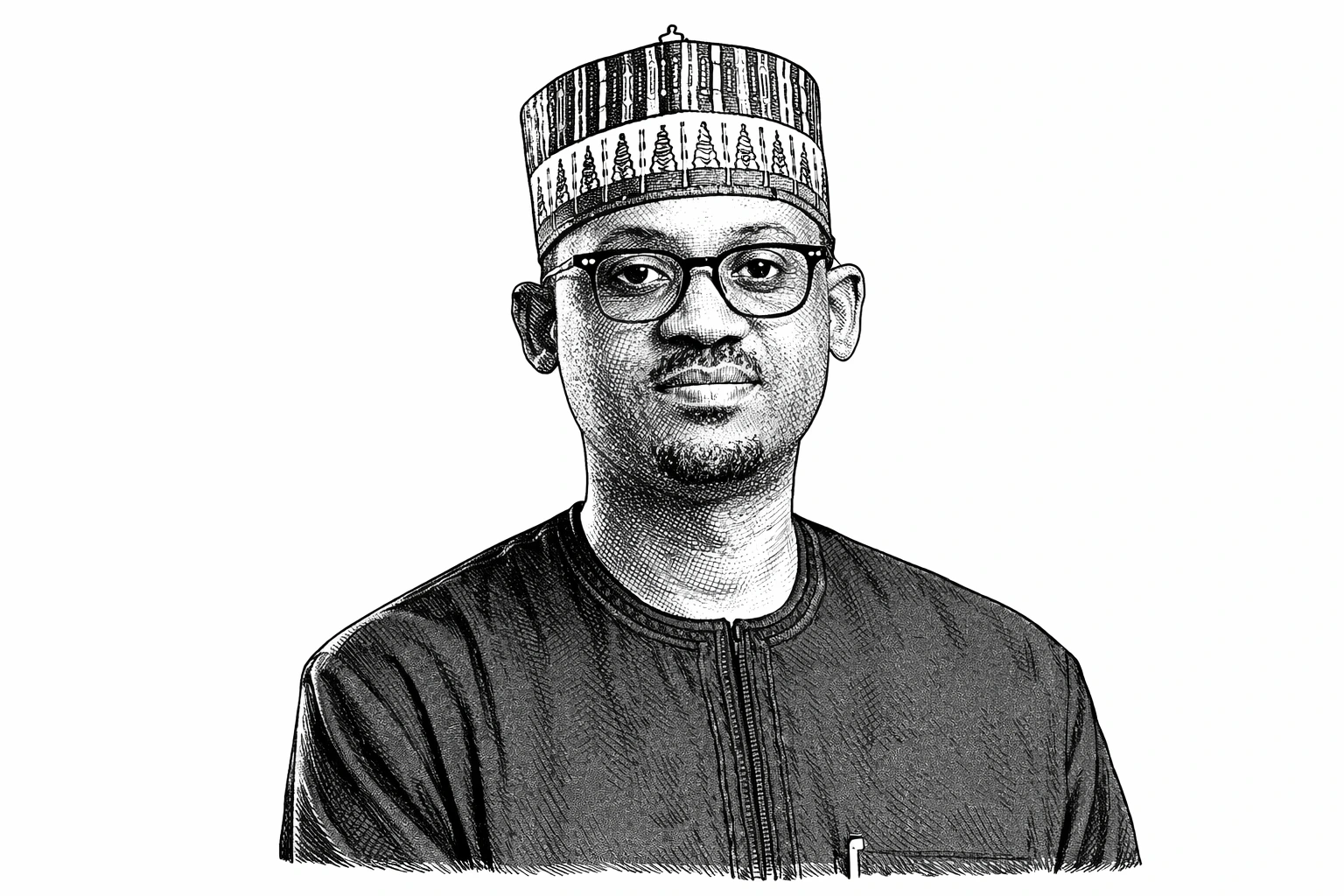
In a LinkedIn post reflecting on his first full year investing across the continent, Ayoola Abdul-Basit Oladipupo, an investment professional and former McKinsey consultant, said African SMEs are often forced into an unfavourable choice between raising US dollar debt — with exposure to currency depreciation — or borrowing in local currency at interest rates two to three times higher.
“Should I raise USD debt at the risk of currency depreciation, or local currency debt at multiples of the rate?” Oladipupo said is a recurring question among African entrepreneurs.
Drawing on transactions executed in 2025 with TLG Capital, Oladipupo said one deal in Kenya demonstrated how this dilemma could be resolved. A guarantee provided by the IDP Foundation was used to backstop foreign-exchange risk, allowing the SME to access local-currency financing at pricing comparable to US dollar loans.
According to Oladipupo, the structure did not rely on concessional funding but on reallocating risk in a way that gave lenders confidence while protecting the borrower’s balance sheet. He described guarantees as “a catalytic tool” that can make otherwise expensive local-currency debt viable for SMEs whose revenues are largely domestic.
Markets Require Tailored Structures
Beyond currency risk, Oladipupo highlighted the importance of understanding regulatory and market differences across African countries. He cited Tanzania as an example, noting that foreign loans to local companies require approval from the central bank to prevent predatory lending — a step that can significantly affect transaction timelines.
He also stressed that deal structures must reflect the realities of different business models, warning that investors often underestimate how cash-flow patterns vary between sectors such as manufacturing and telecommunications.
“A company manufacturing soybean oil has a very different cash-flow structure from a telecoms business charging customers monthly in advance,” he said, adding that rigid templates can undermine otherwise sound investments.
Francophone West Africa Gaining Momentum
Oladipupo said his experience reinforced the growing investment appeal of Francophone West Africa, pointing to the region’s unified legal framework under the OHADA treaty and the relative stability of the CFA franc.
He also highlighted large-scale infrastructure and resource projects, including Guinea’s Simandou Project, as evidence of accelerating economic transformation, alongside the long-term trade potential of the Abidjan-Lagos corridor.
Call for Deeper Partnerships
Looking ahead, Oladipupo argued that so-called “hard-to-reach” markets such as Gambia, Liberia and Zambia could attract significantly more capital if investors with higher risk tolerance were willing to absorb early losses through instruments such as first-loss tranches or guarantees.

“The key is to create an ecosystem,” he said, in which different partners bring complementary strengths to support the SMEs that underpin African economies.
He concluded that while 2025 was a year of learning and execution, 2026 should focus on applying those lessons with greater discipline — particularly in addressing FX risk, which he described as one of Africa’s most persistent but solvable financing challenges.