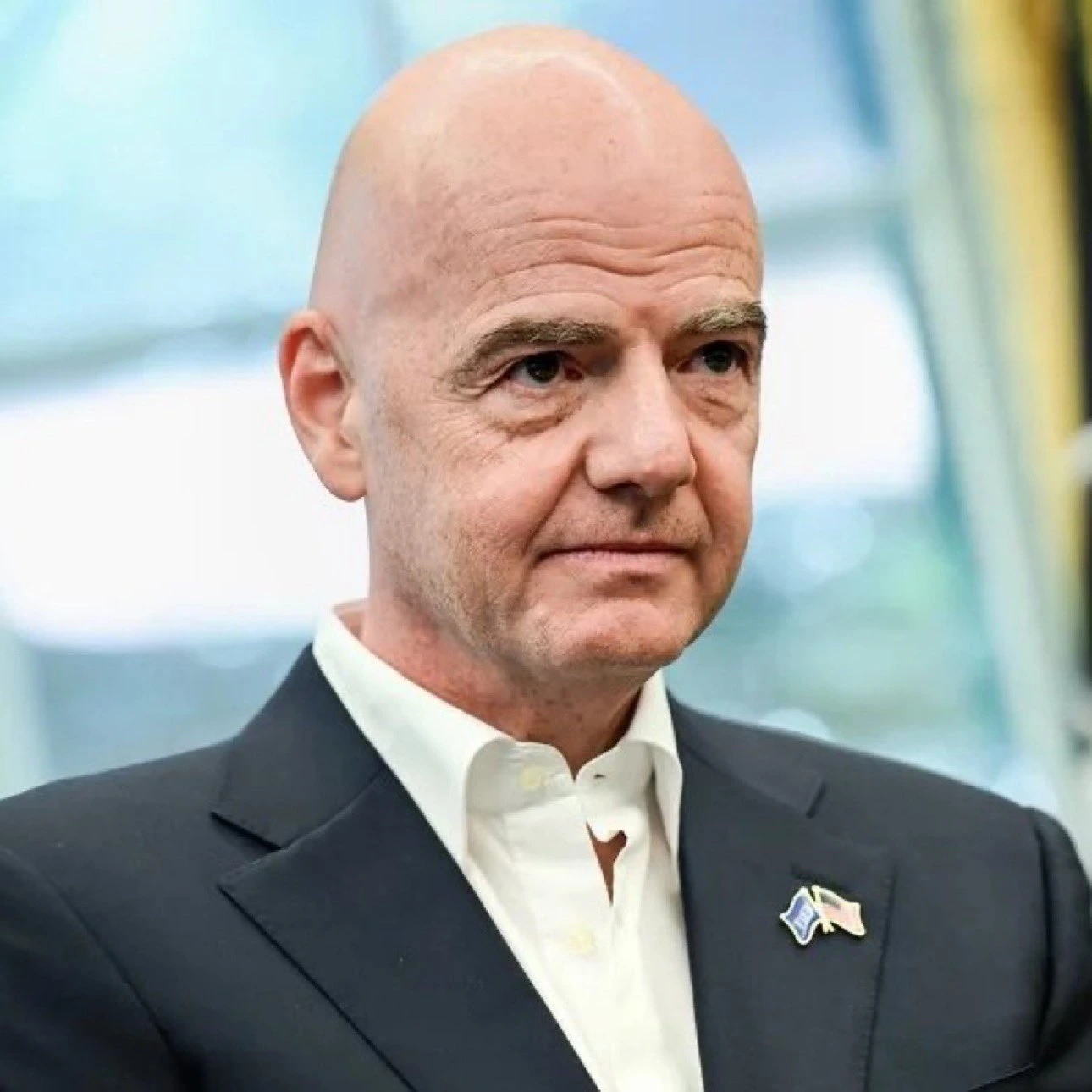
For years, FIFA’s commercial strategy under President Gianni Infantino has rested on a simple premise: football’s biggest tournaments can generate enough new revenue to fund the global game’s expansion while reducing dependence on traditional broadcasters and sponsors.
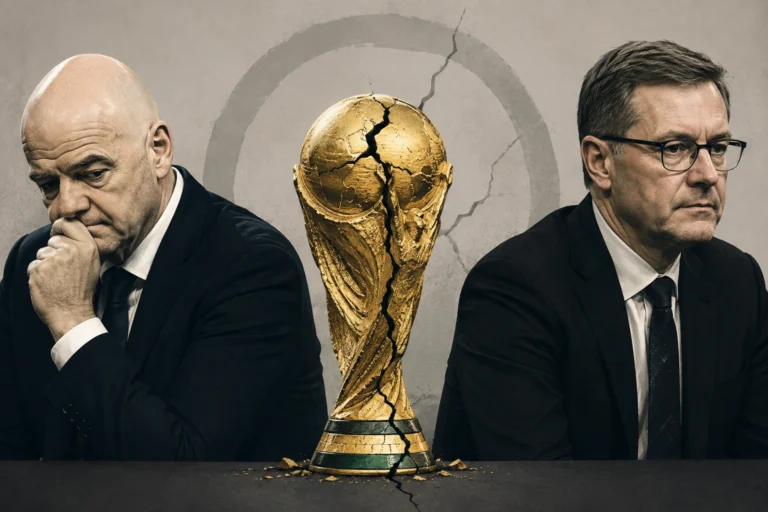
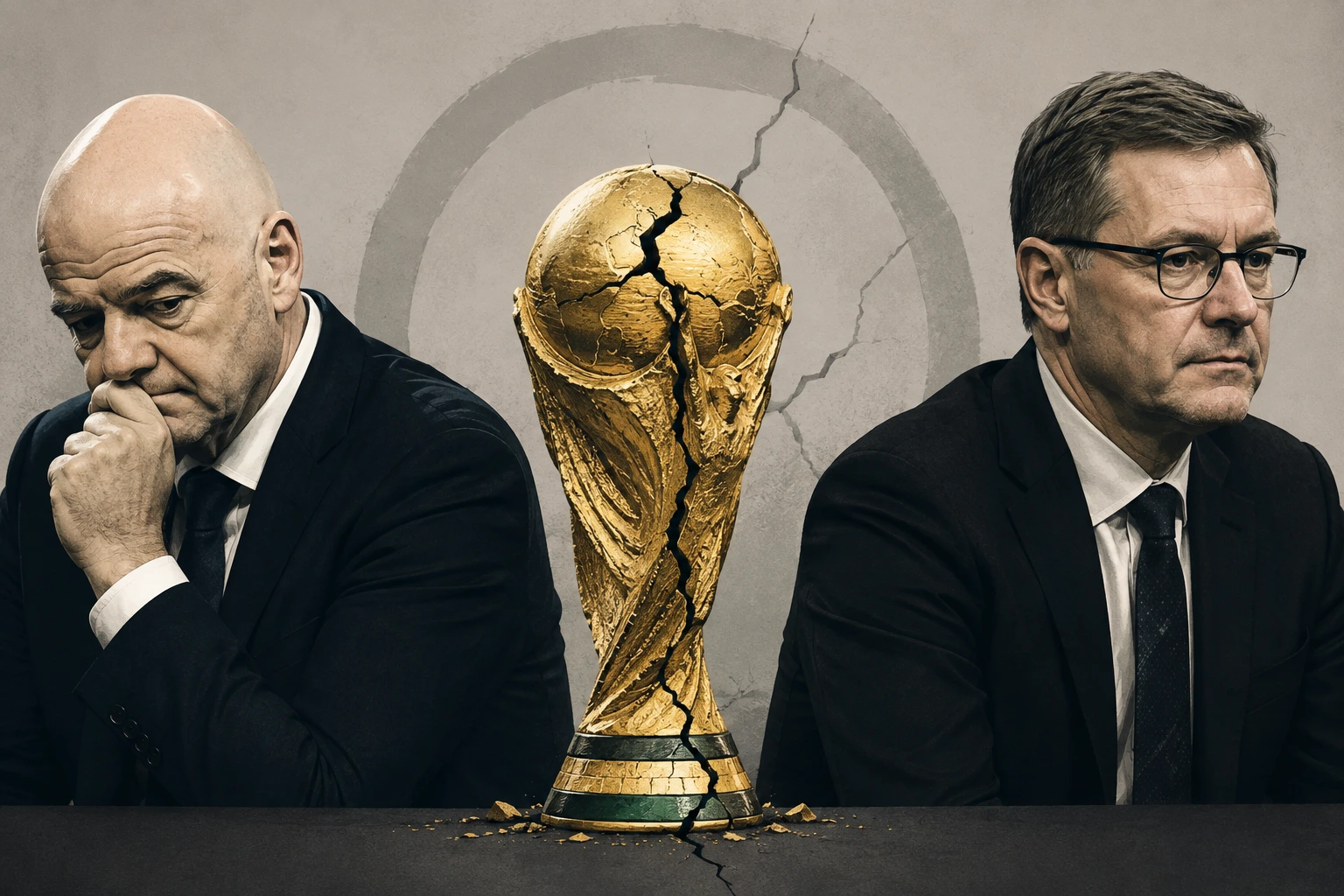
The collapse of a proposed investment vehicle that sought to bring private capital into the commercial future of the FIFA World Cup has instead exposed one of the most serious governance crises of Infantino’s decade-long presidency. An internal message from FIFA Secretary General Mattias Grafström, circulated to staff after the project was abandoned, acknowledges an organisation shaken by events that many employees neither anticipated nor controlled.
Describing the episode as a “sad and reproachable series of events,” Grafström urged FIFA’s workforce to remain focused on serving football’s 211 member associations while assuring them they would be protected from the political fallout surrounding the controversy.
Inside the Abandoned FIFA Forward Enterprise
The memo offers an unusually candid glimpse into the atmosphere inside FIFA headquarters in Zurich, where senior administrators have spent the past week confronting growing scrutiny over a proposal known as FIFA Forward Enterprise (FFE).
The initiative, now permanently shelved, was intended to establish a commercial entity capable of attracting outside investors into future revenues generated by the men’s FIFA World Cup and potentially other global competitions.
Unlike previous FIFA commercial reforms—which largely centred on expanding tournaments, renegotiating media rights and attracting new sponsorship categories—the FFE proposal represented a more fundamental shift. It would have allowed external capital to acquire an economic interest in football’s most valuable commercial asset, effectively transforming future tournament income into an investment vehicle.
Such structures have become increasingly common in professional sport, where private equity firms have purchased stakes in leagues, media businesses and broadcasting revenues across Europe and North America.
Why European Football Associations Objected
The proposal encountered resistance almost as soon as it became known among national football associations. Several European federations questioned both the substance of the plan and the manner in which it had been developed, arguing that member associations had not been adequately consulted despite ultimately owning FIFA collectively.
The objections reflected broader concerns that commercial decisions with long-term implications for world football were increasingly being shaped within a small executive circle rather than through FIFA’s traditional governance structures.
Although Grafström avoided naming Infantino directly, the timing of the memo leaves little doubt about the leadership crisis confronting the organisation. The secretary general wrote that FIFA employees had been “thrown into the middle of a turmoil” that was difficult to comprehend, while reminding staff that “individuals, unstable moments and unfortunate episodes come and go” but the institution itself endures.
Within FIFA’s normally disciplined internal communications, such language is exceptional and appears designed to reassure staff that the administration remains separate from the political disputes surrounding elected officials.
The Rise of Private Capital in Global Sport
The abandoned venture also illustrates how rapidly global football’s financial landscape has changed. During the past decade, sovereign wealth funds, institutional investors and private equity firms have poured billions of dollars into sport, viewing media rights and live entertainment as assets capable of delivering stable long-term returns. Firms such as CVC Capital Partners, Sixth Street and Silver Lake have acquired interests in football leagues, media companies and commercial rights holders, prompting governing bodies to examine similar funding models.
FIFA’s attempt to extend that trend to the World Cup, however, confronted a different governance reality: unlike domestic leagues, FIFA operates as a membership organisation whose commercial assets are ultimately owned collectively by national associations.
The episode also exposes a contradiction at the centre of FIFA’s modern strategy. Infantino has overseen unprecedented revenue growth, driven by expanded competitions, new sponsorship markets and the commercialisation of tournaments beyond Europe and North America.
Yet the same expansion has increased pressure to secure new financing for larger competitions, broader development programmes and ambitious infrastructure commitments. Seeking external investment may have appeared financially logical, but it collided with expectations that FIFA’s most valuable assets should remain under the direct control of its member associations.
Governance Questions Return to the Forefront
Governance has become one of the defining tests of Infantino’s presidency. Elected in 2016 following the corruption scandals that ended the era of former FIFA President Sepp Blatter, Infantino promised a more transparent organisation with stronger institutional accountability.
FIFA subsequently introduced reforms affecting executive decision-making, financial oversight and ethics procedures. Critics, however, have argued that decision-making has gradually become more centralised, with major strategic initiatives increasingly emerging from the president’s office rather than through broad consultation with continental confederations and member associations.
The commercial stakes are considerable. The FIFA World Cup remains the governing body’s financial engine, accounting for the overwhelming majority of its income during each four-year cycle through broadcasting rights, sponsorship agreements, ticketing and hospitality.
Revenues from the tournament finance development grants, women’s football programmes, youth competitions and administrative operations across every confederation. Any proposal affecting ownership or future income from those rights therefore carries implications extending far beyond commercial strategy.
What Comes Next for FIFA
Grafström’s closing message sought to restore confidence among FIFA’s workforce rather than defend the failed proposal itself. Thanking employees for their resilience during what he described as an “extraordinary and challenging” week, he pledged continued support while emphasising that the organisation’s mission would outlast individual controversies.

Whether that reassurance is enough may depend less on internal morale than on FIFA’s willingness to explain how the FFE project was conceived, who authorised its development and why so many member associations learned of it only after plans were well advanced.
For an organisation that emerged from one governance crisis promising greater transparency, the unanswered questions surrounding another aborted initiative are likely to remain long after the investment proposal itself has disappeared.