ExxonMobil has told US President Donald Trump that Venezuela’s oil industry remains “not fit for investment” under its current legal and commercial framework, dealing a blow to the administration’s push for oil majors to pour billions into reviving the country’s energy sector.
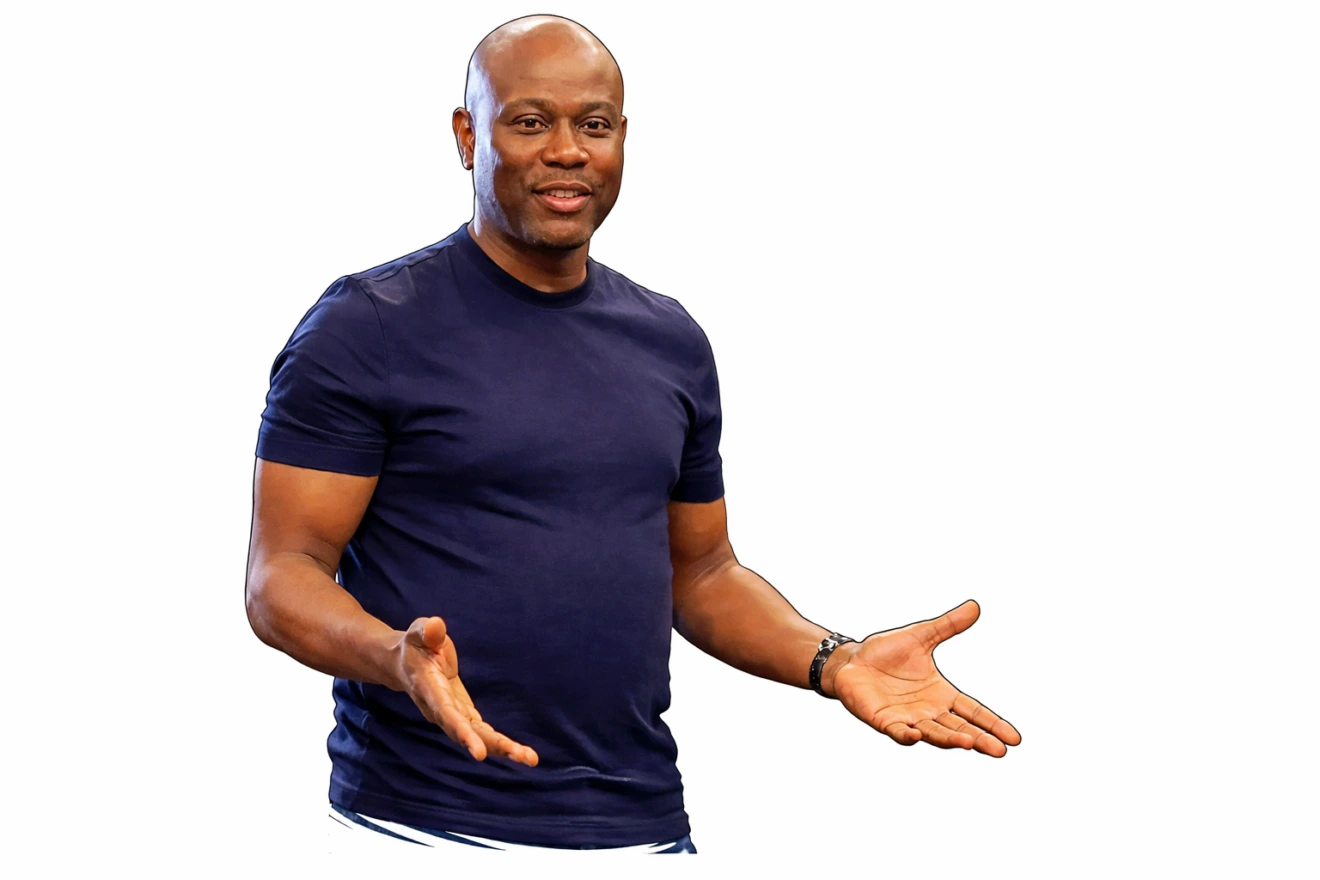
Speaking at a televised White House meeting with senior energy executives, ExxonMobil chief executive Darren Woods said that without sweeping reforms, the risks of investing in Venezuela far outweigh the potential rewards—despite the country’s vast hydrocarbon reserves.
“If we look at the legal and commercial constructs, frameworks in place today in Venezuela, today it’s uninvestable,” Woods told Donald Trump.
“There has to be durable investment protection, major changes to the legal system, and reform of the hydrocarbon laws.”
A History of Expropriation Still Looms
Woods’ scepticism is rooted in ExxonMobil’s own experience. The company’s assets in Venezuela were seized twice after it first entered the country in the 1940s, making it one of several international oil companies burned by nationalisation policies under successive governments.
Those memories continue to shape boardroom calculations, even as Trump urges companies to commit “at least $100bn” to reviving Venezuelan output in an effort to boost global supply and put downward pressure on oil prices.
The meeting came days after Trump launched an aggressive effort aimed at capturing Venezuelan strongman Nicolás Maduro and asserting control over the country’s natural resources—an escalation that has heightened both geopolitical risk and investor uncertainty.
Trump: Decide Quickly or Step Aside
Trump told executives that he would personally decide which companies were allowed to operate in Venezuela and warned that hesitation would not be tolerated.
“If you don’t want to go in, just let me know, because I got 25 people that aren’t here today that are willing to take your place,” he said.
Yet the president simultaneously ruled out compensating companies for past losses. Addressing ConocoPhillips chief executive Ryan Lance—whose firm lost an estimated $12bn to expropriations—Trump was unequivocal.
“We’re going to start with an even plate. We’re not going to look at what people lost in the past.”
Trump also dismissed the idea of US taxpayer-backed guarantees, insisting oil majors did not need government money. Any security, he suggested, would be provided by Venezuela itself rather than US forces.
Other Oil Majors Strike a More Optimistic Tone
While ExxonMobil struck a cautious note, several other companies signalled conditional interest.
-
Chevron said it could raise output by around 50% within 18–24 months by expanding existing operations that currently produce about 240,000 barrels per day.
-
Shell chief executive Wael Sawan said the group had “a few billion dollars’ worth of opportunities” if Washington granted sanctions waivers.
-
Repsol said it could triple production to more than 150,000 b/d within two to three years.
-
Eni disclosed it holds roughly 4bn barrels of reserves in Venezuela and is ready to increase investment.
Commodity trader Trafigura and oilfield services companies also indicated some willingness to engage, reflecting a spectrum of risk appetites across the industry.
Caution Still Dominates Boardroom Thinking
Despite the mixed signals, analysts say large-scale commitments remain unlikely without credible legal, financial and security guarantees.
“The legal, political and geopolitical risks of going into Venezuela to make the sort of investments the administration wants are very significant,” said Meghan O’Sullivan, a Harvard professor and energy geopolitics specialist.
Legal advisers echo that view. Carlos Solé of Baker Botts said interest is high, but the investment landscape is far from settled, particularly around sanctions licences issued by the US Office of Foreign Assets Control.
Aurelio Fernandez-Concheso of Clyde & Co’s Venezuela practice added that while enquiries are flooding in, caution remains paramount.

“It’s one thing to pick up the phone and call an adviser,” he said. “It’s another thing to write a cheque and put money into the country.”
The Bottom Line for Investors
For now, ExxonMobil’s message is clear: reserves alone do not make a country investable. Without enforceable contracts, predictable laws and credible protections, Venezuela’s oil riches remain, in Woods’ words, “uninvestable”—regardless of presidential pressure or geological promise.