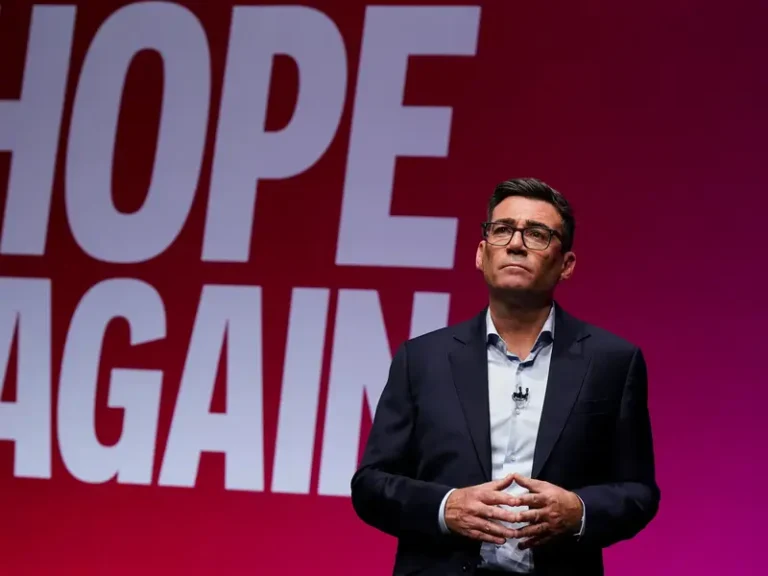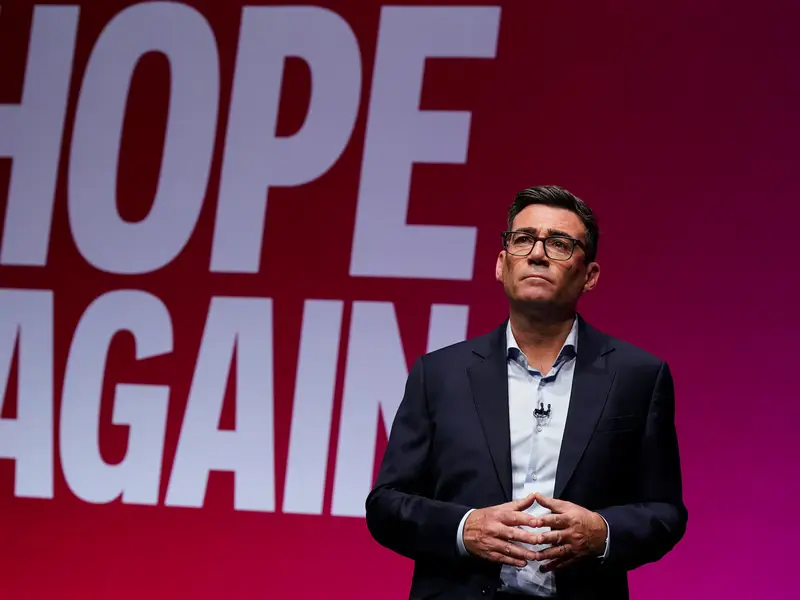
British Prime Minister Andy Burnham has expressed confidence that the United Kingdom can secure a mutually beneficial agreement with the European Union, saying closer economic cooperation could lower consumer prices, reduce business costs and stimulate economic growth.
Burnham said the proposed agreement could deliver a relationship closer to what many Britons believed they were voting for during the 2016 Brexit referendum, as his government prepares to negotiate further changes to post-Brexit arrangements.
Speaking after meeting European leaders in Ireland on Thursday, Burnham said negotiations ahead of the UK-EU summit scheduled for November 20 could continue until the final stages.
“I believe there is a good deal to be done that could be a win-win for Britain and Europe. I think it actually could be more like the Brexit that people thought they were voting for in 2016,” he said.
The proposed agreements are expected to cover food and agricultural trade, energy cooperation, emissions trading and youth mobility, among other areas.
Burnham said the economic benefits could be substantial, arguing that reducing trade barriers and improving cooperation with the EU would help British households and businesses.
“We’ve got a big week ahead of us to try and get this deal over the line,” he said.
He added that the government would fight to secure an agreement that delivers lower prices for British consumers, lower operating costs for businesses and stronger economic growth.
UK, EU Pursue Post-Brexit Trade Reset
The negotiations form part of the Labour government’s broader effort to rebuild economic and diplomatic relations with the European Union following Britain’s departure from the bloc.
Ahead of the November 20 summit, both sides have agreed on a draft arrangement aimed at removing post-Brexit checks on food and agricultural exports.
Draft proposals on emissions trading and a youth travel and work scheme have also been circulated among EU member states.
The British government estimates that the proposed arrangements could eventually generate £5.1bn in annual economic benefits for the UK.
Burnham has also identified cooperation on immigration as an area where the summit could produce progress, particularly in addressing illegal migration.
However, the proposed reset does not amount to a plan to rejoin the EU, the single market or the customs union.
Opposition Parties Divided over EU Reset
Burnham’s push for closer ties with Brussels has attracted criticism from opposition parties, particularly over concerns that Britain could gradually lose control of its trade and regulatory policies.
Conservative Party leader Kemi Badenoch has opposed closer alignment with EU rules, arguing that such a move would reverse the benefits of Brexit.
Former Conservative minister Dame Priti Patel also criticised the prime minister’s approach, saying it could damage the British economy and impose additional costs on taxpayers.
The Liberal Democrats have described the proposed arrangements as a temporary solution rather than a comprehensive fix, arguing that Britain should rejoin the single market and establish a customs union with the EU.
Reform UK has similarly opposed regulatory alignment, maintaining that one of Brexit’s principal advantages was Britain’s ability to operate independently of EU rules.
The Green Party, meanwhile, has called for Britain to rejoin the customs union, with its leader, Zack Polanski, arguing that full EU membership remains the best long-term option.