Aviation unions disrupted flights across Nigerian airports earlier today after weeks-long dispute with domestic airlines over the remittance of the 5% Ticket Sales Charge (TSC) and allegations that workers are being prevented from freely joining trade unions.
The action, led by the National Union of Air Transport Employees (NUATE), Air Transport Services Senior Staff Association of Nigeria (ATSSSAN) and National Association of Aircraft Pilots and Engineers (NAAPE), brought operations at major airports under severe pressure and left hundreds of passengers stranded.
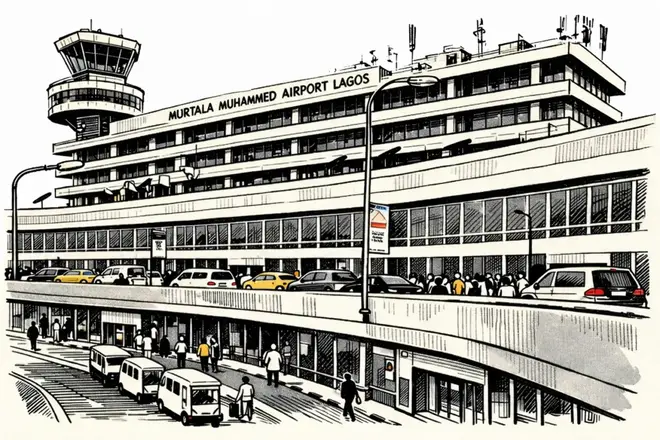
Air Peace, Nigeria’s largest airline, was the principal target of the unions’ picketing with Its operations disrupted in Lagos, Abuja and Enugu, while other airlines also suffered cancellations and delays as the industrial action affected access to airport facilities. The unions later suspended the picketing for review, allowing Air Peace to resume flights.
Air Peace is one of Nigeria’s largest domestic carriers and operates an extensive network through Lagos and Abuja. Disrupting its operations therefore creates immediate pressure across the aviation system.
5% Ticket Sales Charge Dispute
At the centre of the dispute is the 5% Ticket Sales Charge, a statutory charge collected from passengers through airline tickets and remitted to aviation agencies. The unions have put the outstanding obligations of affected airlines at roughly N20bn, with Air Peace allegedly accounting for about N15bn.
The unions accuse airlines of failing to remit billions of naira in collected TSC arguing that the alleged non-remittance has weakened the finances of aviation agencies and affected their ability to implement negotiated collective agreements and improve workers’ conditions of service. Air Peace says it has already remitted the relevant TSC payments to the NCAA and has questioned why its operations were targeted.
The dispute is however not only about money as the unions also accuse some airlines of obstructing their employees from joining trade unions and as such want affected airlines to formally communicate to workers that they are free to join unions of their choice without intimidation, discrimination or victimisation.
The unions argue that employees in aviation should be able to exercise their right to collective organisation, particularly in a sector where safety, working conditions and professional standards depend heavily on specialised workers.
Air Peace however disputes the unions’ characterisation of the situation noting that its employees have expressed opposition to union membership and argues that workers should be allowed to decide whether or not they want to join a union.
Other Airlines Affected
United Nigeria Airlines also cancelled dozens of flights as a result of the disruption while Enugu Air also reported disruption to some Abuja operations with other airlines experiencing delays or operational difficulties as the industrial action unfolded.
This is why describing the event simply as an “Air Peace strike” understates what happened.
The dispute with one carrier created a wider disruption across domestic aviation.
Why the Ticket Sales Charge is Important
The TSC is not simply money owed to an ordinary commercial creditor, it forms part of the funding structure for Nigeria’s aviation institutions with the union arguing that when airlines collect the statutory charge from passengers but fail to remit it, the resulting funding gap ultimately affects the aviation system and workers.
One reason the figures surrounding the TSC dispute are confusing is that there is a difference between historical outstanding obligations and current payments. Airlines have argued that they continue to make TSC remittances while negotiating outstanding historical liabilities.

Airline operators argue that disputes over statutory charges should be handled by the relevant aviation regulators rather than enforced through industrial action noting that the NCAA already has regulatory mechanisms for recovering outstanding charges.
They also warn that shutting down airlines over the dispute ultimately hurts passengers and further weakens airlines that are already operating under difficult financial conditions.