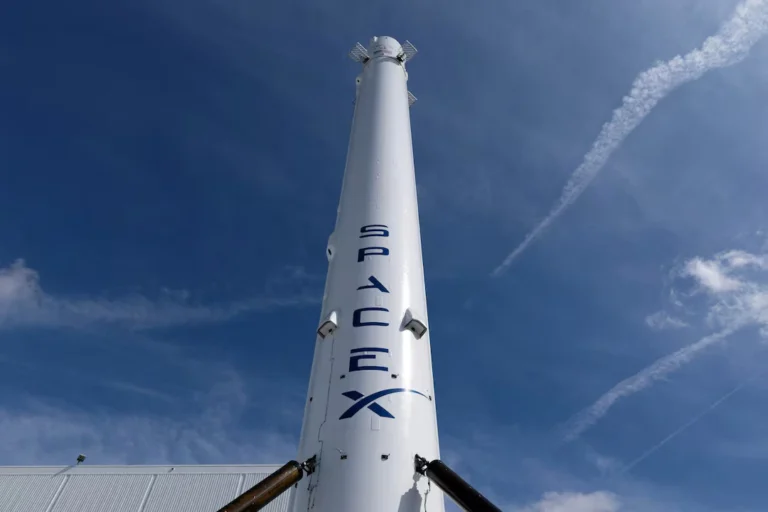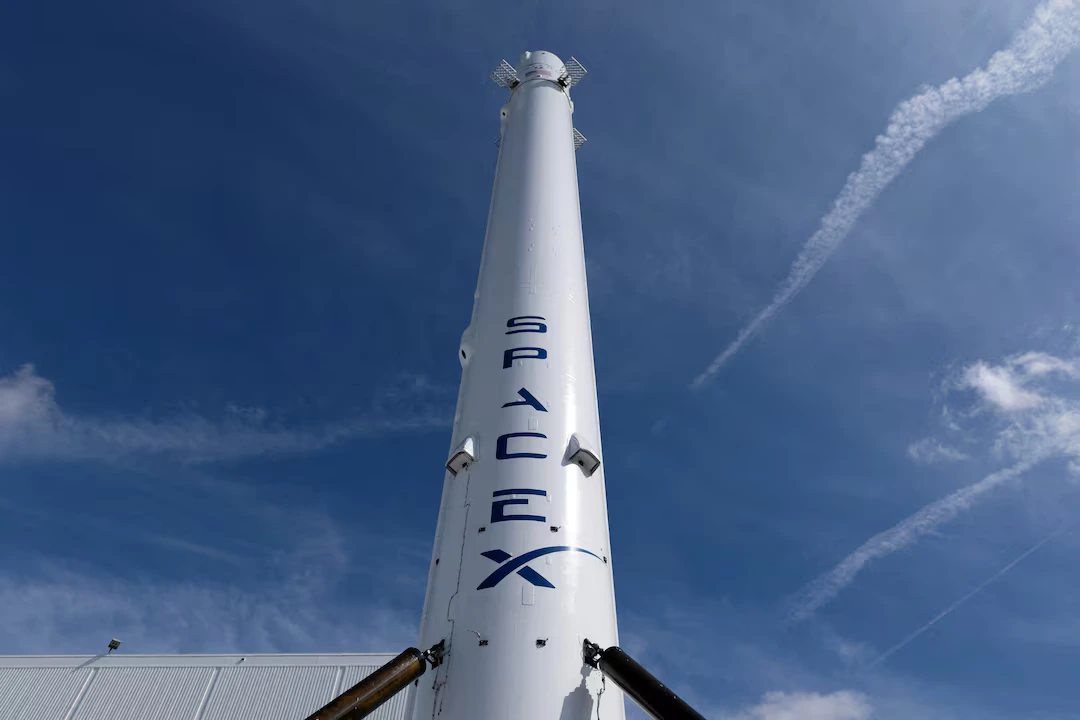
The US Federal Communications Commission (FCC) approved the project, known as Starmind, on Wednesday, marking the first approval of its kind for a proposed satellite constellation dedicated to orbital data processing.
The initiative will see SpaceX deploy satellites powered by sunlight to process data for AI applications and transmit the results back to Earth.
The FCC said the project would support America’s growing artificial intelligence industry and strengthen its position in advanced computing infrastructure.
FCC Chairman Brendan Carr described the approval as a significant development for the country’s technology ambitions, saying it would open a new frontier for the computing infrastructure needed to sustain America’s technological leadership.
Musk welcomed the decision, writing on his social media platform X: “Much appreciated. This will be a great asset to America and the world.”
Under the licence, SpaceX must begin deploying the satellites by November 2033. The company is required to have launched at least 10% of the approved constellation by November 2035 and 50% by November 2038. SpaceX has indicated that it hopes to launch its first Starmind satellite in 2027.
The proposed satellites will operate in low-Earth orbit at altitudes between 500km and 2,000km, similar to the company’s existing Starlink internet constellation, which already comprises more than 10,000 satellites.
Starmind satellites are expected to communicate with Starlink’s network before transmitting processed information to ground-based infrastructure.
Amazon, Astronomers Raise Concerns
The approval has attracted criticism from competitors and the scientific community, particularly over the scale of the proposed constellation and its potential impact on space operations.
Amazon criticised the proposal, describing it as a “lofty ambition rather than a real plan”. The American Astronomical Society also expressed concern, saying the constellation could significantly undermine astronomical research and public access to the night sky.

The organisation warned that the proposed satellites would be larger and more numerous than many existing orbital objects, potentially making them unusually bright and visible for extended periods.
It said the development could undermine decades of federal investment in astronomical facilities and interfere with scientists’ ability to observe distant objects in space.