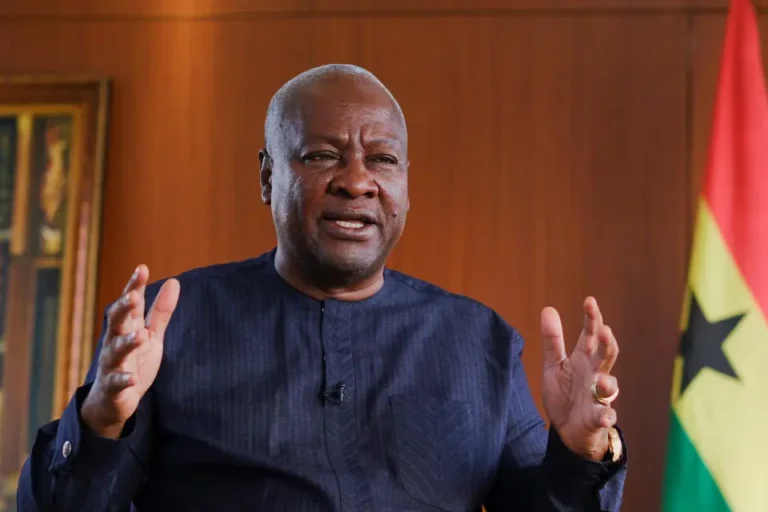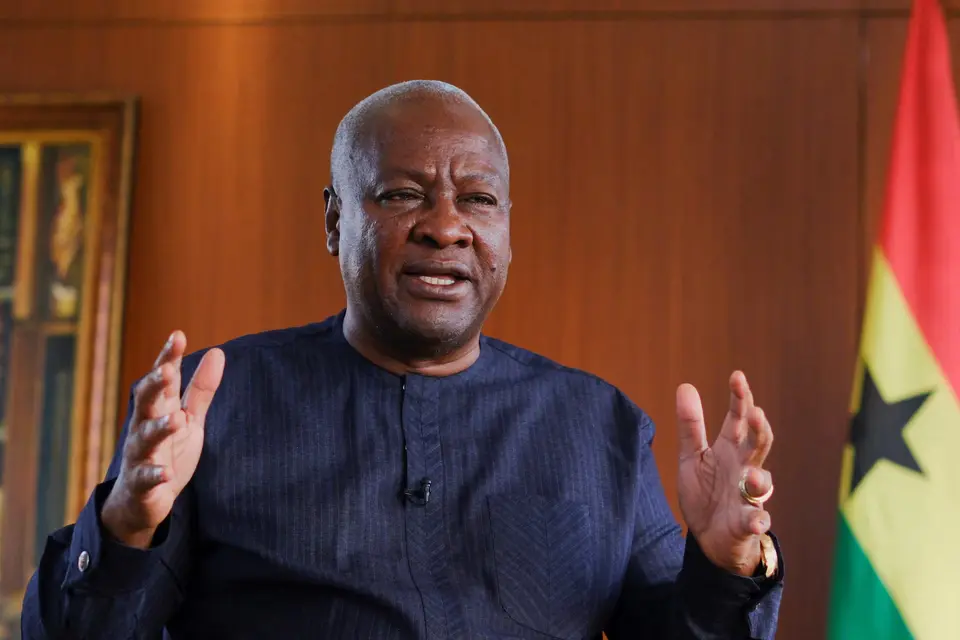
Ghana’s public debt has increased by $15.9 billion, or 32%, since President John Mahama assumed office in January 2025, reaching $65.3 billion as of October 2026.
Data from the Bank of Ghana’s latest public debt figures show that the country’s debt stock rose from $49.4 billion at the end of 2024 to $65.3 billion in October 2026.
The increase of $15.9 billion in less than two years represents more than three-quarters of the $20.2 billion accumulated over the eight years between 2016 and 2024 under former President Nana Akufo-Addo.
Ghana’s Debt Accumulation Accelerates
The figures indicate a significant difference in the pace of debt accumulation between the two administrations.
Between 2016 and the end of 2024, Ghana’s public debt increased from $29.2 billion to $49.4 billion, representing an addition of approximately $20.2 billion over eight years.
Under Mahama, the debt stock increased by $15.9 billion between December 2024 and October 2026, a period of less than two years.
This translates into an annual average increase of approximately $8.7 billion, compared with about $2.5 billion under Akufo-Addo between 2016 and 2024.
Ghana’s external debt stood at approximately $29.4 billion as of December 2025, representing 25.63% of its Gross Domestic Product (GDP).

Ghana’s foreign reserves increased to $14.47 billion by February 2026, while external debt remained a significant component of its overall public liabilities.
Despite these improvements, debt repayments, refinancing requirements and fiscal pressures continue to present challenges to the country’s recovery.