Apple’s latest premium iPhones have reached stores, and the first weekend has produced a familiar combination of launch-day queues, constrained availability and intense scrutiny over whether the annual upgrade is worth the money.
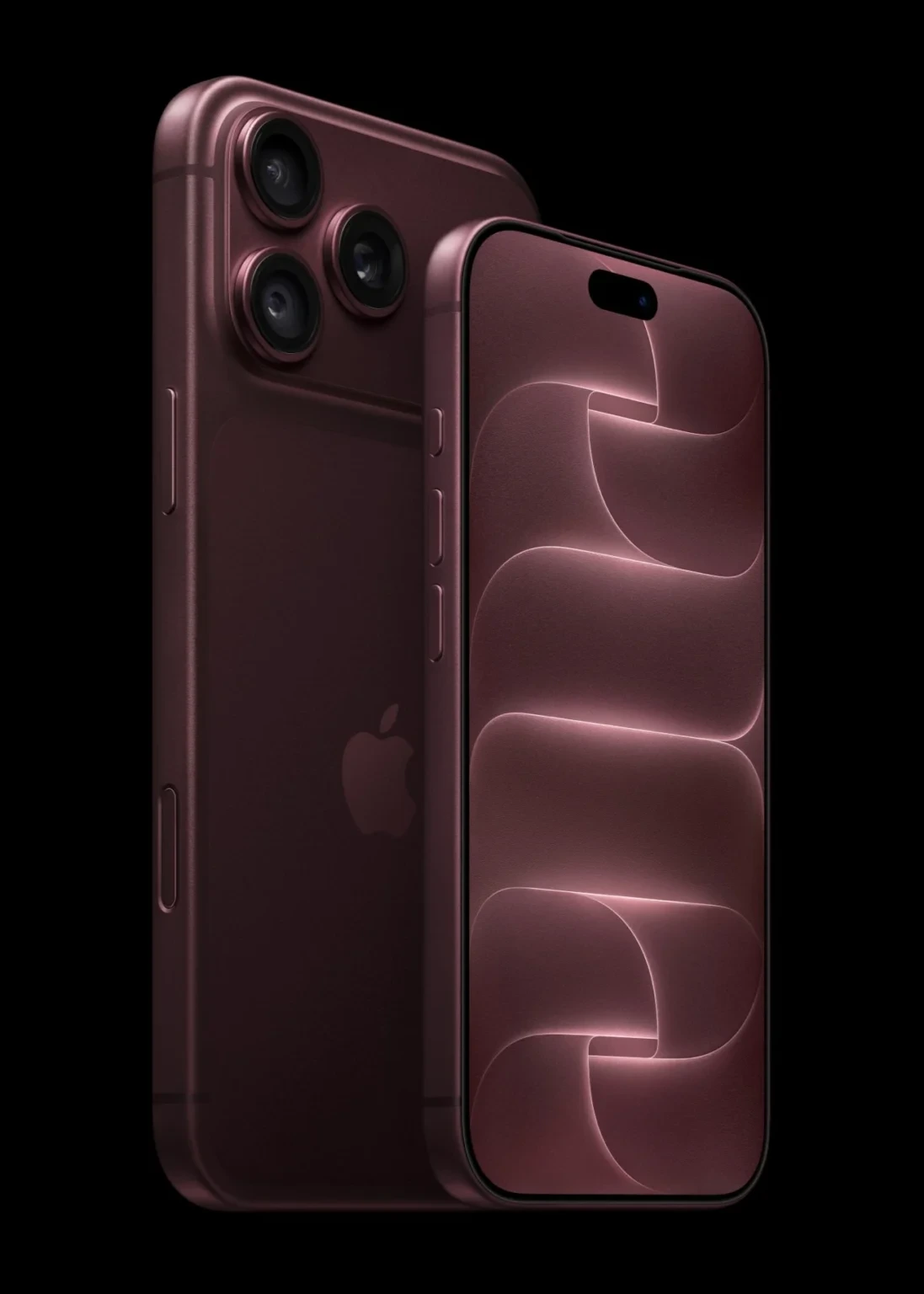
The iPhone 18 Pro and iPhone 18 Pro Max went on sale on Friday, September 18, in more than 65 countries and regions after pre-orders opened six days earlier. Apple priced the phones from $1,199 and $1,299 respectively in the United States, $100 above the starting prices of last year’s Pro models.
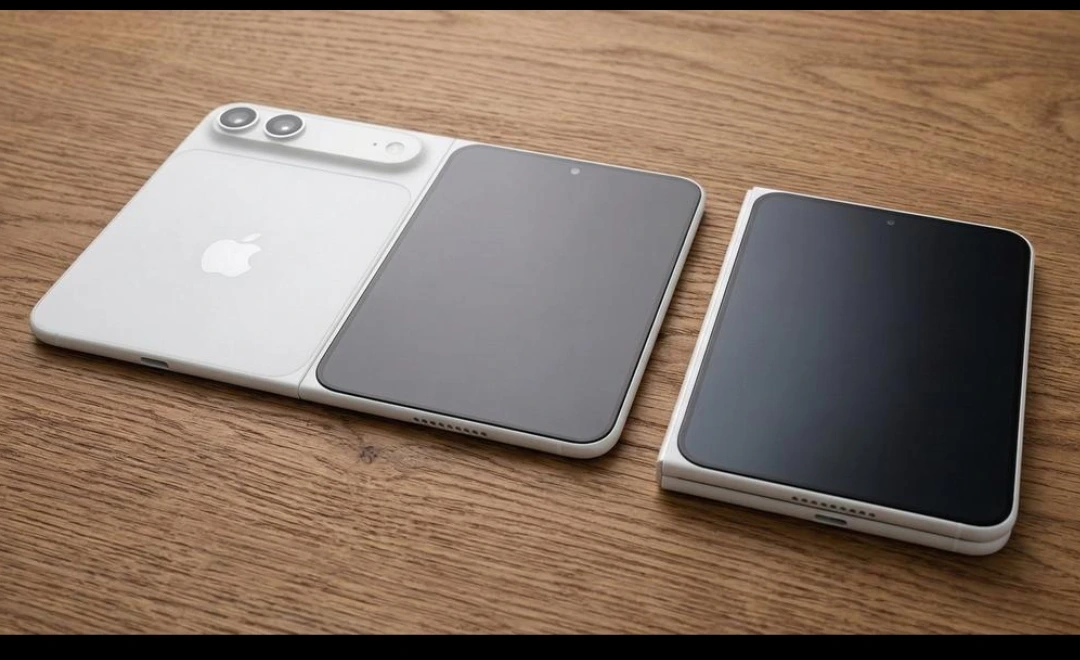
The company is not selling a standard iPhone 18 this autumn; its other major new handset, the first foldable iPhone Duo, starts at $1,999 but will not reach stores until October 23.
That makes this an unusually revealing launch for Apple.
Rather than spreading demand across a new mainstream iPhone and its premium versions, the company is asking buyers who want a 2026 model immediately to start at the top of the range.
The first evidence suggests that a significant number are willing to do so — though the demand picture is more nuanced than launch-day photographs alone suggest.
Queues, shipping delays — and mixed demand signals
Apple stores in New York, Kuala Lumpur and other cities reported the traditional launch-day crowds, while buyers also queued outside stores in India and the United Arab Emirates. In Dubai, the launch generated a short-lived resale trade, with some buyers purchasing dozens of devices and attempting to resell them at premiums.
Online availability points to real pressure on supply, particularly for the larger Pro Max. By September 14, Apple’s U.S. online store was showing late-September to mid-October delivery estimates across the Pro range, with many Pro Max configurations pushed furthest out.
Those lead times are consistent with strong early interest, although they can also reflect production constraints and Apple’s allocation of stock between stores, carriers and online orders.
Analyst interpretations have therefore diverged. GF Securities analyst Jeff Pu described early pre-orders as relatively muted, citing the higher prices, limited headline specification changes and the possibility that some buyers are waiting for the foldable iPhone Duo.
But a later Evercore ISI survey of nearly 4,000 U.S. consumers found 53% of prospective iPhone buyers leaning towards the 18 Pro or Pro Max, with the Pro Max alone attracting 32%.
Morgan Stanley has also argued that two-to-four-week lead times, despite higher production, point to healthier demand than initial commentary suggested.
The sensible conclusion after only one weekend is not that Apple has produced either a runaway hit or a disappointment. The early evidence shows strong demand for selected premium configurations, especially the Pro Max, but it is too soon to treat queues and shipping estimates as a reliable measure of full-quarter sales.
What Apple changed
The centrepiece of the iPhone 18 Pro is its 48-megapixel main camera with a mechanically variable aperture.
Users can select among four aperture settings, giving photographers more control over how much light reaches the sensor and over depth of field. Apple has also added more manual-style controls for shutter speed and white balance inside its own Camera app.
The phones use Apple’s A20 Pro processor and a redesigned vapour-chamber cooling system intended to sustain performance during gaming, video work and AI workloads.
The Pro Max has a larger, denser battery, while both models support faster charging. Apple has also reduced the size of the Dynamic Island and introduced iOS 27 with Siri AI, its substantially rebuilt voice and AI assistant.
For many buyers, however, the crucial question is not whether these are better phones — they plainly are — but whether the improvements justify replacing an already capable iPhone 16 Pro or 17 Pro at a higher price.
Reviewers: excellent phone, harder upgrade case
The early expert consensus is unusually consistent. TechRadar praised the 18 Pro and Pro Max for making improvements in the areas that matter most — cameras, thermal management, battery life and performance — and judged the new variable-aperture camera and expanded controls the most important changes.
Its testing found strong endurance and much better sustained performance, but it also concluded that owners of an iPhone 17 Pro have relatively little reason to upgrade.
WIRED reached a similar conclusion while giving the phones a 9/10 rating. It praised performance, cooling, battery life, the brighter display and the new camera controls, especially for users who understand photography.
But it described the generation as a relatively modest refresh and argued that owners of the iPhone 15 Pro, 16 Pro or 17 Pro can comfortably keep their current phones. Its reviewer also noted that the variable aperture is more meaningful for enthusiasts than for casual users who leave the camera in automatic mode.
Engadget’s review was more emphatic about the product’s overall quality, calling the iPhone 18 Pro a new ‘standard setter’. Yet even positive reviews repeatedly return to the same limitation: the upgrade is refinement rather than reinvention. That matters because Apple is simultaneously asking $100 more than last year.
There is also a potential repair-cost trade-off behind the new camera engineering. An iFixit teardown highlighted the sophistication of the tiny mechanical iris inside the variable-aperture system, but said the mechanism would be extremely difficult to repair on its own if it failed.
In practice, that could mean replacing the complete camera assembly rather than fixing the aperture mechanism itself.
Siri AI helps — but is not an exclusive reason to buy
Apple is also presenting the 18 Pro as an AI phone. Siri AI can use more personal context, understand what is on screen and answer a much wider range of questions than the old assistant.
Reviewers generally regard it as a significant improvement, but not necessarily a decisive reason to choose the newest hardware.
That is partly because many of the software features are also available on recent iPhones. In other words, Apple’s AI progress strengthens the iPhone ecosystem but does less to create an 18 Pro-specific upgrade cycle than a hardware feature such as the variable-aperture camera or the Pro Max’s battery life.
The bigger test is Apple’s pricing power
The most consequential question for Apple is therefore commercial rather than technical: can it persuade enough customers to pay more for incremental improvements while extending the replacement cycle of a product that is already mature?
So far, the Pro Max appears to be doing the most work. Longer delivery times and survey interest suggest buyers remain willing to spend at the top end, and higher storage options can lift Apple’s average selling price further.
But the iPhone Duo complicates the picture. Some of Apple’s most enthusiastic and highest-spending customers may delay buying a Pro Max until they can compare it with the foldable model next month.

For consumers, the early review consensus is clearer than the sales outlook. The iPhone 18 Pro and Pro Max are among the best conventional smartphones Apple has made, with a genuinely more flexible camera, strong battery life and very high performance.
They are also expensive refinements of already excellent phones. For owners of older iPhones, that may be enough. For anyone carrying last year’s Pro, the strongest expert advice so far is essentially to keep it.
At a glance
| Item | Detail |
| On-sale date | September 18, 2026 |
| iPhone 18 Pro starting price (U.S.) | $1,199 |
| iPhone 18 Pro Max starting price (U.S.) | $1,299 |
| Headline camera change | 48MP main camera with variable aperture and expanded Pro controls |
| Processor | A20 Pro |
| iPhone Duo | Starts at $1,999; available October 23, 2026 |
| Early review consensus | Excellent camera, performance and battery; limited upgrade case for recent Pro owners |