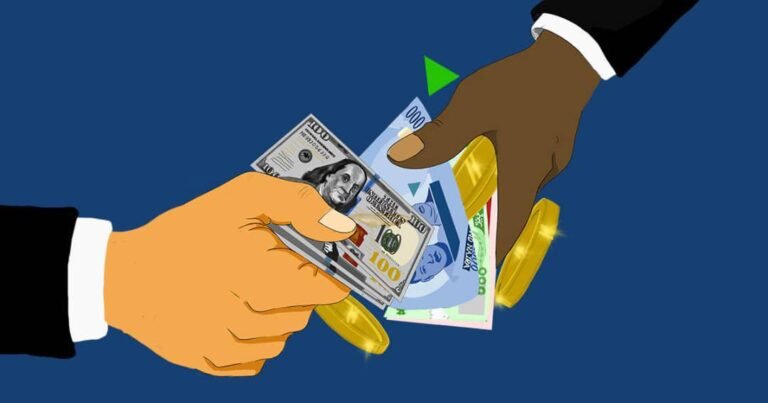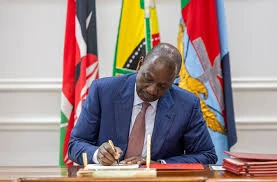
Kenya’s President William Ruto has ordered a crackdown on foreigners operating small-scale businesses, saying Kenyan traders and hawkers must be protected from competition.
Ruto said foreign nationals engaged in small businesses would be required to shut down their operations from next week, while his government would accelerate legislation restricting foreigners from certain areas of trade.
Speaking to small-scale traders at State House in Nairobi on Wednesday, Ruto said Kenya remained open to foreign investment but argued that foreign investors should create jobs and expand production rather than compete with Kenyans in informal businesses.
“It cannot be that a person comes from China or elsewhere to be a hawker or open a small shop,” Ruto said.
The president added that Kenya had worked to improve the economy and investor confidence, but said the country had not made those efforts to attract foreigners to operate as hawkers.
The proposed restrictions could affect foreign nationals involved in a range of informal activities across Nairobi and other major Kenyan cities, including retail, salons and barbershops, street vending, food and clothing sales, construction and motorcycle transport.
Anti-Immigrant Tensions in Kenya
The announcement comes amid growing tensions between Kenyan traders and foreign nationals, particularly migrants from other African countries who participate in the country’s large informal economy.
In July, a video showing a Kenyan man confronting a Burundian trader in Nairobi and accusing him of taking business opportunities from locals triggered widespread criticism. The incident prompted calls for the protection of Burundian citizens in Kenya, while Kenya’s foreign ministry sought to reassure Burundians and other East Africans living in the country.
The country also hosts a significant refugee population. Government figures cited by the BBC show that Kenya had about 857,000 registered refugees and asylum seekers as of the end of June, with nearly 14% living in urban areas.
Kenyan law allows refugees to work and operate businesses, although they must obtain the required documentation and permits.
Ruto’s proposed restrictions therefore raise questions about how the new measures will distinguish between undocumented foreign traders, legally resident migrants, refugees with business permits and foreign investors operating formal businesses.
Continent – Wide Immigration Concerns
The move comes as several African countries grapple with concerns over immigration, unemployment and competition for opportunities in the informal economy.

South Africa, in particular, has experienced protests targeting undocumented migrants this year, alongside reports of intimidation and attacks against foreign nationals. Tens of thousands of Africans have also reportedly opted for voluntary repatriation.
For Ruto, who is seeking a second term in next year’s election, the issue also carries a domestic political dimension, as small-scale traders constitute a significant constituency and source of employment in Kenya.