The U.S. Supreme Court on Monday rejected President Donald Trump’s attempt to remove Federal Reserve Governor Lisa Cook, delivering a landmark ruling that preserves the independence of the U.S. central bank and blocks an unprecedented effort by the White House to dismiss a sitting Federal Reserve official.
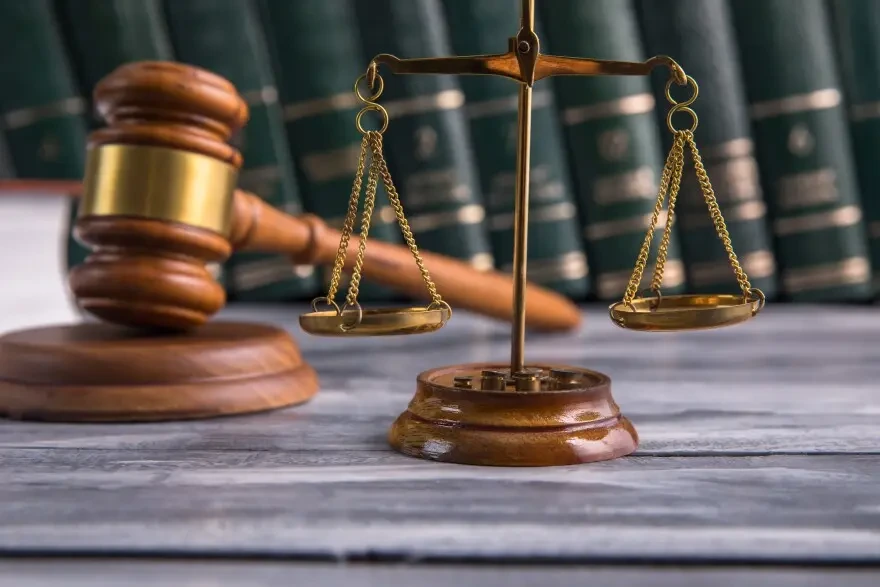
In a closely divided 5-4 decision, the nation’s highest court refused to lift a lower court order that prevents the administration from immediately removing Cook while her legal challenge to the dismissal continues.
The ruling marks a significant victory for the Federal Reserve and reinforces long-standing protections designed to shield the central bank from political interference.
Case Details
Trump had sought to remove Cook in August 2025, citing allegations of mortgage fraud that Cook strongly denied. The governor argued that the allegations were merely a pretext aimed at removing her because of disagreements over monetary policy.
The Supreme Court’s decision ensures that Cook will remain on the Federal Reserve Board while the legal dispute proceeds through the courts.
The case represented one of the most consequential tests of Federal Reserve independence since the institution was established by Congress in 1913. No U.S. president had previously attempted to remove a sitting Federal Reserve governor.
Economists and financial experts have long argued that the Fed’s independence is essential to maintaining economic stability, allowing policymakers to make interest rate decisions based on economic conditions rather than political considerations.
Under federal law, members of the Federal Reserve Board may only be removed “for cause,” although the statute does not clearly define what constitutes sufficient cause or establish detailed procedures for removal.
During oral arguments in January, both conservative and liberal justices expressed concern about the implications of allowing the president to dismiss Federal Reserve officials. Several members of the court questioned whether such a move could undermine the central bank’s ability to make independent monetary policy decisions.
Trump’s effort to remove Cook became one of the most closely watched legal battles involving executive authority during his second term. Critics argued that the move represented an attempt to expand presidential control over independent institutions, while supporters contended that presidents should have broader authority over executive branch officials.
The ruling is expected to have significant implications beyond Cook’s case, potentially shaping future disputes involving independent federal agencies and the limits of presidential power.
Lisa Cook’s Career
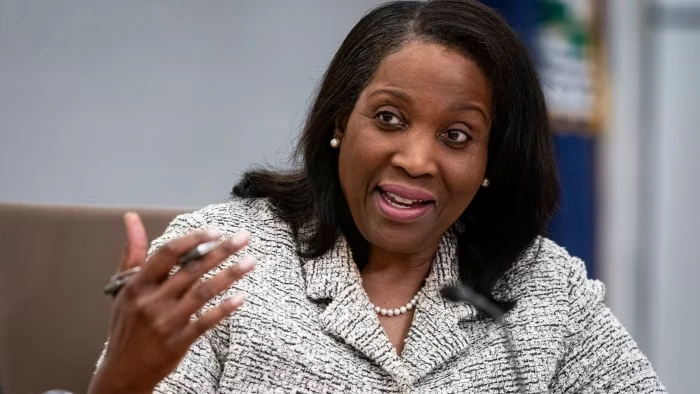
Cook, who became the first Black woman to serve on the Federal Reserve Board when she was nominated by former President Joe Biden in 2022, has emerged as a central figure in the broader debate over presidential authority and the independence of federal institutions.
Raised in rural Georgia during the era of school desegregation, Cook has spoken publicly about experiencing racial violence as one of the first Black students to integrate local schools. She later attended Spelman College before earning a prestigious scholarship to study at Oxford University.

After initially studying philosophy and physics, she transitioned into economics and went on to earn a doctorate in economics from the University of California, Berkeley. Her academic career included positions at Harvard University, Stanford University and Michigan State University before joining the Federal Reserve.
The Biden administration described her appointment as bringing long-overdue diversity to the U.S. central bank at the time.