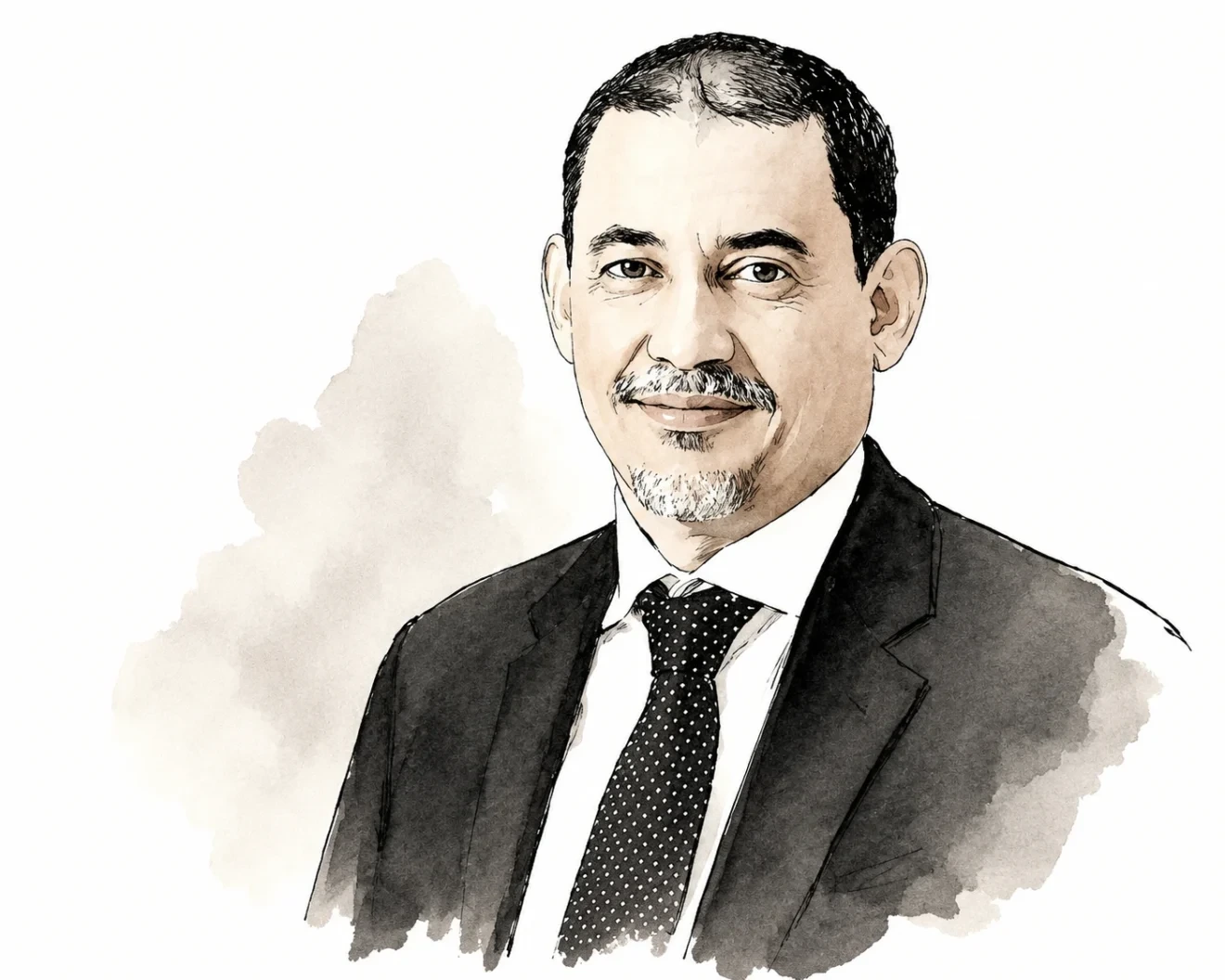
Newly appointed Director of the African Department at the International Monetary Fund (IMF), Zeine Zeidane, has identified fiscal transparency as the cornerstone of resolving Africa’s growing debt challenges, warning that countries cannot effectively address debt sustainability without accurate public financial reporting and stronger governance.
Speaking in his first major interview since assuming office in May 2026, Zeidane said the lack of transparency remains one of the biggest obstacles to restoring investor confidence and securing international financial support for heavily indebted African economies.
“Without transparency, you cannot fix debt problems,” Zeidane said, emphasizing that governments must provide complete and credible information about their public finances before sustainable debt solutions can be achieved.
Senegal’s Hidden Debt Scandal Remains an IMF Priority
Zeidane pointed to Senegal as one of the IMF’s immediate concerns following the country’s hidden debt crisis, which emerged after a government audit uncovered substantial discrepancies in official debt figures.
The scandal, revealed in 2024, exposed billions of dollars in previously undisclosed liabilities, including off-balance-sheet commitments, unpaid obligations, and arrears that had not been reflected in official government accounts.
The revelations prompted the IMF to suspend negotiations on a new financial assistance programme while seeking a comprehensive assessment of Senegal’s fiscal position.
Since taking office, President Bassirou Diomaye Faye’s administration has launched efforts to improve transparency, audit public finances, and rebuild confidence with international lenders. However, IMF discussions remain ongoing as authorities work to verify the country’s actual debt profile.
According to Zeidane, restoring credibility through transparent fiscal reporting is essential before any meaningful debt restructuring or fresh IMF support can proceed.
Nigeria Faces Different but Significant Debt Pressures
While Zeidane clarified that Nigeria has not experienced a hidden debt crisis comparable to Senegal’s, he noted that Africa’s largest economy faces mounting fiscal pressures requiring continued reforms.
Nigeria continues to contend with: rising public debt servicing costs; elevated domestic borrowing rates; Persistent fiscal deficits; Oil revenue volatility; Foreign exchange challenges; and Limited government revenue relative to the size of the economy.
Although Nigeria has implemented reforms—including the removal of petrol subsidies, foreign exchange market liberalisation and efforts to improve tax collection—the IMF has consistently argued that stronger public financial management, broader revenue mobilisation and greater fiscal transparency remain essential for long-term debt sustainability.
Analysts note that while Nigeria’s debt-to-GDP ratio remains moderate compared with many emerging markets, debt service continues to consume a significant share of federal government revenues, limiting fiscal space for infrastructure, healthcare and education spending.
Transparency Before Financial Support
Zeidane stressed that transparency is not merely an accounting exercise but a prerequisite for rebuilding trust among investors, development partners and multilateral institutions.
According to the IMF official, countries seeking debt restructuring or new financing arrangements must demonstrate credible fiscal reporting, sound governance and institutional reforms.
This approach reflects the IMF’s broader strategy across Africa, where several countries including Ghana, Zambia, and Ethiopia have pursued debt restructuring programmes in recent years amid rising borrowing costs and tighter global financial conditions.
Beyond debt management, Zeidane encouraged African policymakers to draw lessons from Asia’s economic success stories.

He argued that sustained economic transformation requires more than external financing. Countries must also invest in human capital, improve governance, strengthen institutions and create an enabling environment for private sector investment.
According to him, transparency and accountability are fundamental to attracting long-term investment and ensuring public resources are deployed efficiently.