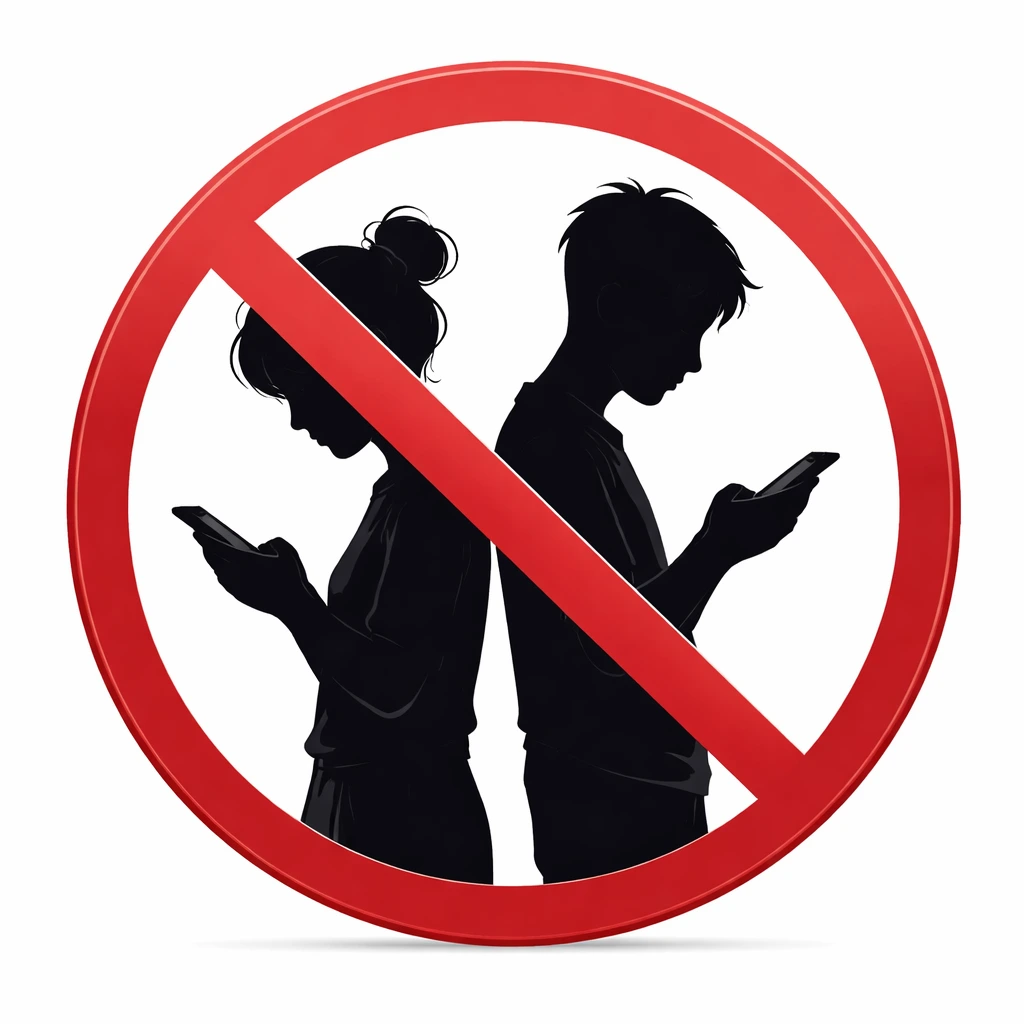
The United Kingdom is set to introduce sweeping new restrictions on social media use by children under the age of 16, in what officials are describing as an “Australia-plus” approach to online safety.
Prime Minister Keir Starmer is expected to unveil the measures following a public consultation that attracted more than 116,000 responses and highlighted growing concerns among parents, lawmakers, and child safety advocates about the impact of social media on young people.
The proposed restrictions would prohibit under-16s from accessing a range of high-risk social media platforms, potentially including major services such as TikTok, Instagram, Snapchat, Facebook, X, and YouTube. The current minimum age for most social media platforms is 13, although there is no government-mandated age limit in the UK.
In addition to the proposed ban, the government is reportedly considering restrictions on certain platform features for minors. These include preventing under-16s from communicating with adult strangers through direct messaging, blocking access to livestreaming functions, and introducing time limits for 16- and 17-year-olds. Officials are also expected to prohibit users under 18 from accessing romantic or sexually oriented artificial intelligence chatbots.
The policy marks a significant shift in the government’s position. Starmer had previously expressed concerns that a blanket ban could drive young people toward less regulated areas of the internet or create a situation where teenagers reach adulthood without experience navigating online platforms.
Australian Example
However, growing political pressure and the implementation of a similar law in Australia appear to have influenced the government’s thinking. More than 60 Labour MPs reportedly urged the prime minister earlier this year to adopt stronger measures to protect children online.
Supporters argue that the restrictions are necessary to address growing concerns over cyberbullying, harmful content, online predators, and the effects of social media algorithms on young users’ mental health.
The UK proposal draws inspiration from Australia’s landmark social media law, which introduced broad restrictions on under-16s using platforms that facilitate social interaction and user-generated content. While Australian authorities reported millions of accounts being removed or restricted after the law took effect, regulators also acknowledged that some minors successfully bypassed age-verification systems.

Questions also remain regarding the timeline for implementation and whether major technology companies could challenge aspects of the policy through the courts.
If enacted, the legislation would place the UK among the world’s most aggressive regulators of children’s access to social media and could influence similar policy debates across Europe and other regions.