Every year on the first Thursday of May, people around the world mark World Password Day — a global awareness campaign focused on encouraging safer digital habits and stronger online security.
In 2026, the day falls on May 7, arriving at a time when cyberattacks, identity theft, phishing scams, and data breaches continue to rise across the globe.
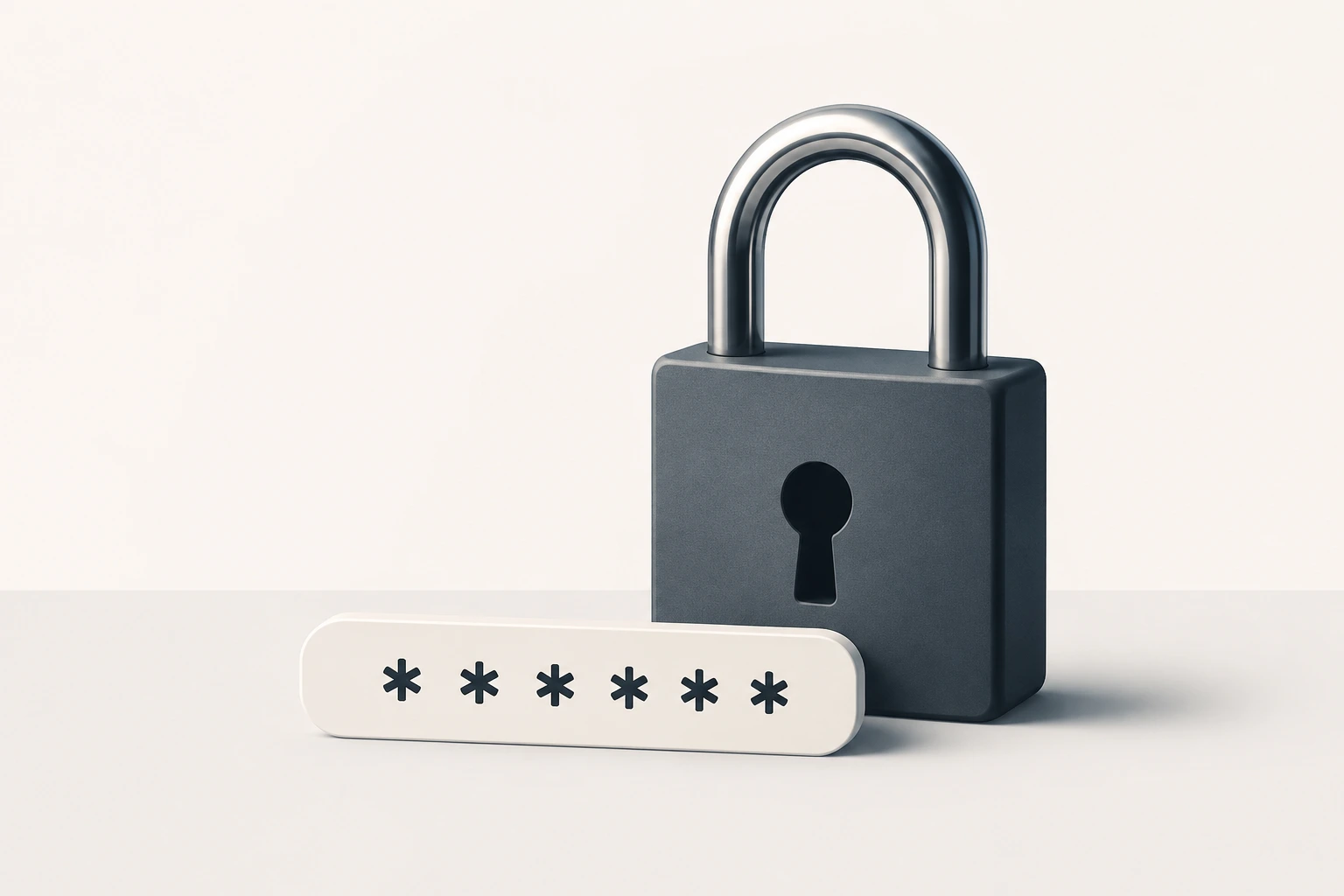
From banking apps and email accounts to social media profiles and workplace systems, passwords remain the first line of defense protecting billions of users online.
Why World Password Day Exists
World Password Day was created to remind individuals and organizations that weak passwords remain one of the biggest cybersecurity risks in the digital world.
The idea traces back to security researcher Mark Burnett, who encouraged people to dedicate a day to updating and improving their passwords.
The awareness campaign later gained wider recognition through cybersecurity initiatives and technology companies promoting safer login practices.
The purpose of the day is simple:
- Encourage people to create stronger passwords
- Promote the use of password managers
- Increase awareness about online scams and hacking attempts
- Push users toward multi-factor authentication (MFA)
- Reduce the growing rate of cybercrime caused by poor password habits
Why Passwords Still Matter in 2026
Despite advances in biometric technology like fingerprint scans and facial recognition, passwords still play a major role in digital security.
Many cybercriminals rely on:
- Weak passwords
- Reused passwords across multiple accounts
- Easily guessed personal information
- Phishing emails and fake login pages
- Stolen credentials from old data breaches
According to cybersecurity experts, millions of users still use passwords such as “123456,” “password,” or simple combinations of names and birth dates — making accounts extremely vulnerable.
With the rise of artificial intelligence-powered scams and automated hacking tools, cybersecurity professionals warn that users must become more proactive about protecting their digital identities.
Common Password Mistakes People Still Make
Many online users unknowingly expose themselves to cyber threats through everyday habits. Some of the most common mistakes include:
- Using the same password for multiple accounts
- Sharing passwords through messages or emails
- Saving passwords on public devices
- Ignoring two-factor authentication
- Creating short or predictable passwords
- Never updating old passwords
Experts say one compromised password can potentially expose banking information, business accounts, private photos, and personal documents.
How to Create a Strong Password
Cybersecurity professionals recommend the following practices:
Use Long Passwords
Passwords should ideally contain at least 12–16 characters.
Combine Different Elements
A strong password should include:
- Uppercase letters
- Lowercase letters
- Numbers
- Symbols
Avoid Personal Information
Do not use:
- Birthdays
- Phone numbers
- Pet names
- Simple keyboard patterns
Enable Multi-Factor Authentication
Adding a second verification step significantly improves security.
Use Password Managers
Password management apps help users generate and securely store complex passwords.
The Growing Cybersecurity Challenge
As more businesses, schools, financial services, and government operations move online, cybersecurity has become a global concern.
Experts warn that digital attacks are no longer limited to large corporations.
Small businesses, students, creators, remote workers, and everyday smartphone users are increasingly becoming targets.
In countries experiencing rapid digital growth, including Nigeria, awareness campaigns like World Password Day are becoming increasingly important as more people rely on online banking, e-commerce, remote work platforms, and digital communication tools.
Beyond Passwords: The Future of Online Security
Technology companies are gradually moving toward passwordless authentication systems using biometrics, security keys, and encrypted login methods.
However, experts say passwords are unlikely to disappear completely anytime soon.

For now, World Password Day continues to serve as a reminder that one simple habit — creating stronger passwords — can prevent devastating cyber losses.
As cyber threats evolve, digital awareness is no longer optional. It has become a necessity for anyone connected to the internet.