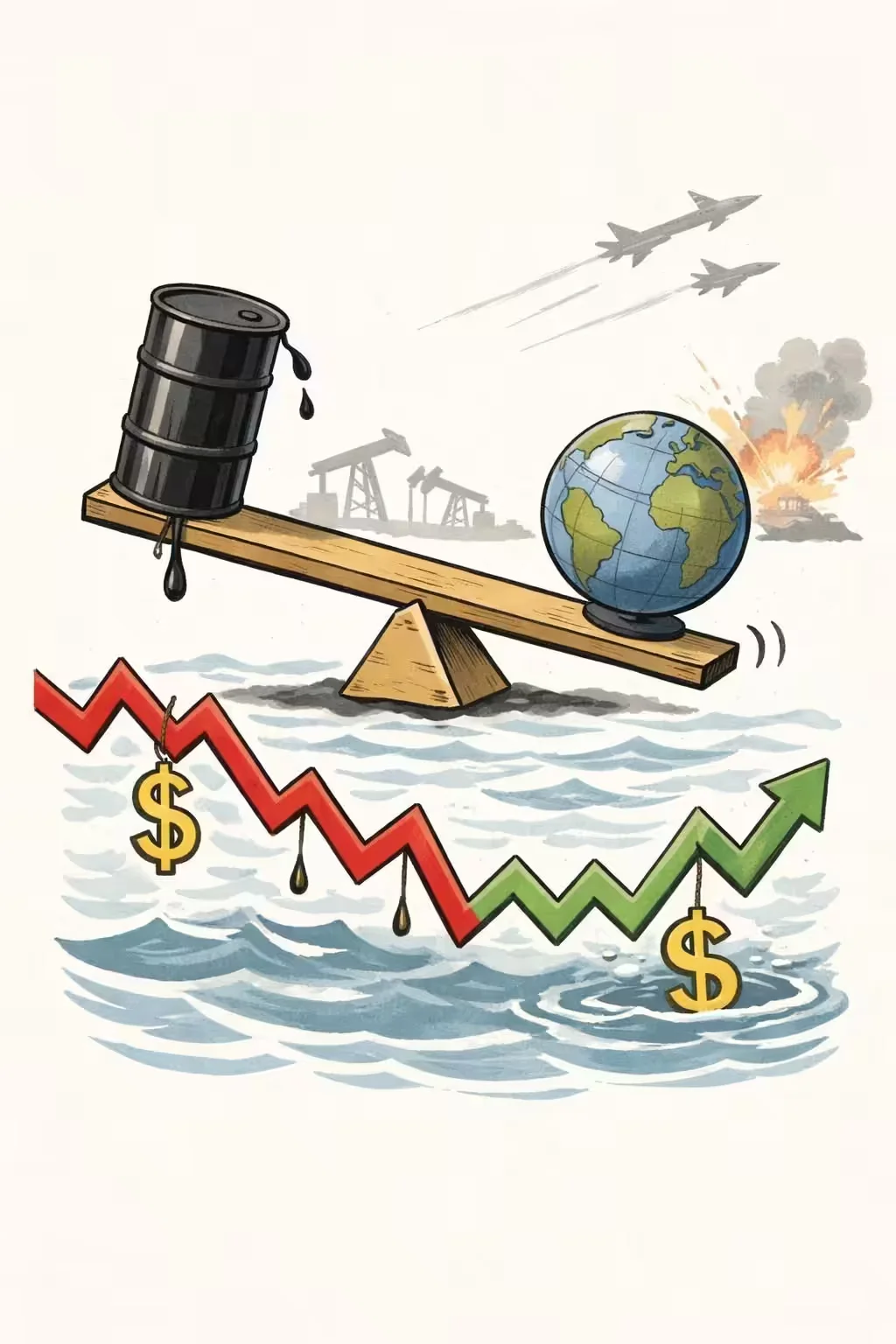
Global oil prices spiked sharply on Monday, April 13, 2026, as escalating geopolitical tensions in the Middle East rattled energy markets and triggered fears of major supply disruptions.
WTI Crude oil climbed to $104.50 per barrel, gaining $7.93 (+8.21%), while Brent Crude oil rose to between $102.58 and $102.80, up roughly $7.38–$7.55 (+7.75–7.93%).
Strait of Hormuz Risks Drive Rally
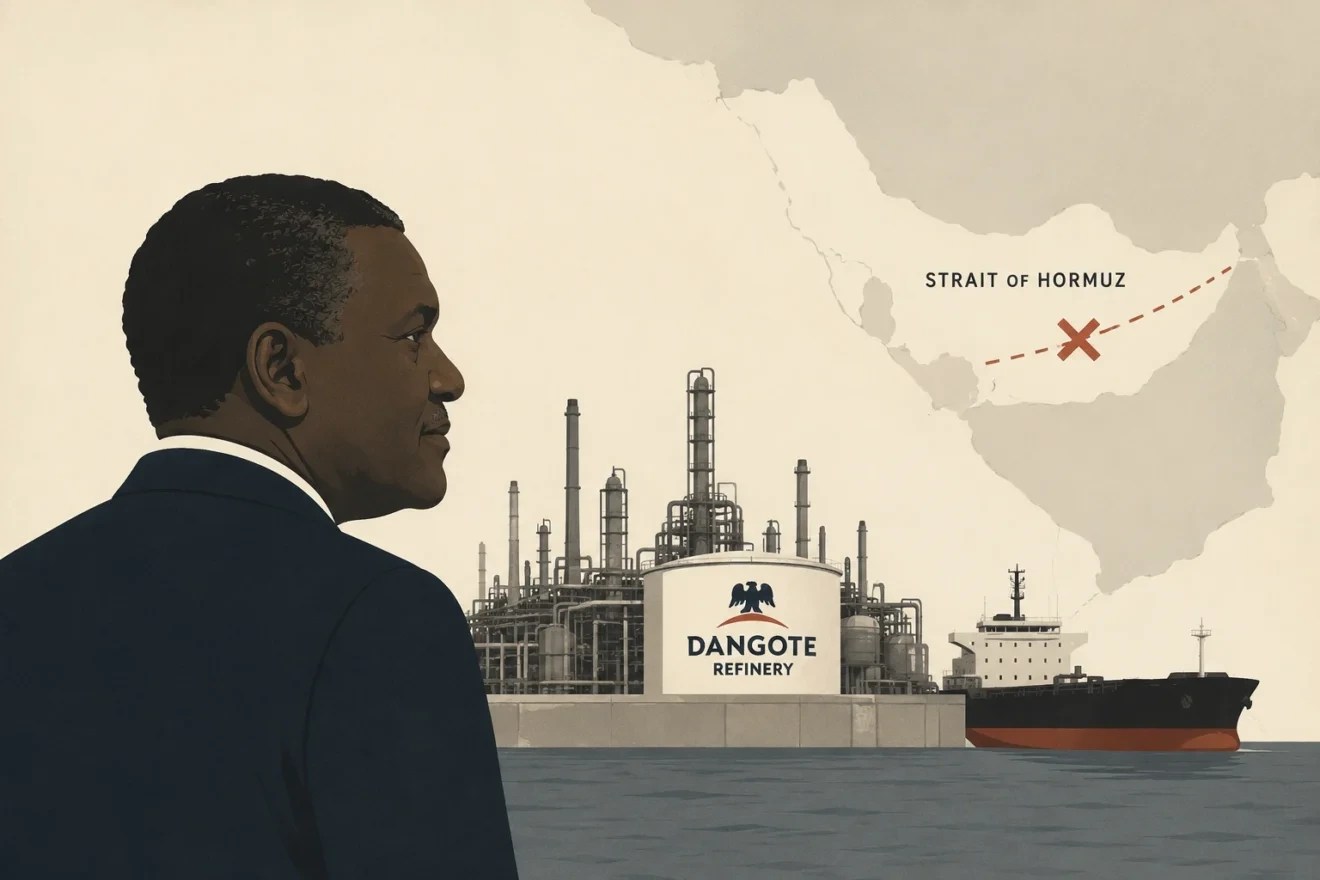
The surge follows renewed concerns over the Strait of Hormuz, a critical chokepoint responsible for nearly 20% of global oil shipments.
Market anxiety intensified after Donald Trump signalled potential U.S. naval action targeting the Strait of Hormuz, raising the prospect of a blockade that could disrupt flows across the region. The breakdown of recent U.S.–Iran diplomatic efforts has further amplified uncertainty.
Traders have responded by rapidly pricing in a geopolitical risk premium, pushing both major benchmarks firmly back above the $100 mark in one of the strongest single-day rallies in recent months.
Market Outlook: Volatility Ahead
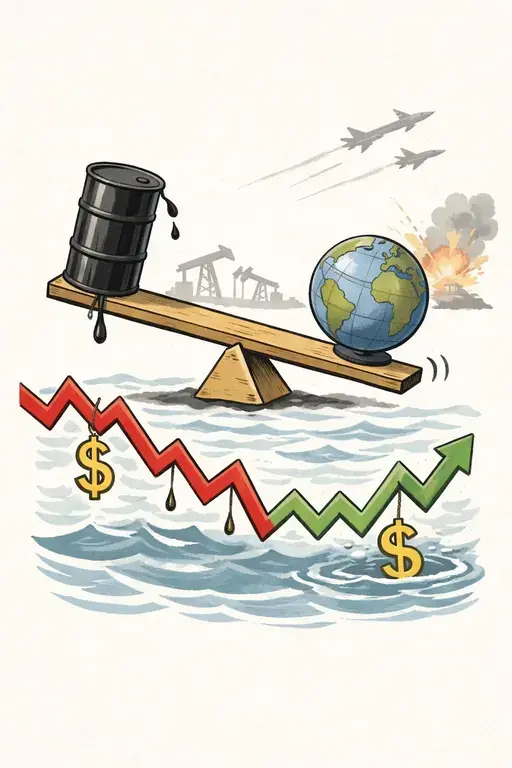
The latest price spike underscores the fragile state of global energy markets in 2026, where geopolitical developments continue to outweigh fundamentals.
Analysts warn that: further escalation could sustain or accelerate price gains while diplomatic de-escalation or increased output from OPEC+ may trigger profit-taking.
Higher crude prices are already creating ripple effects across downstream sectors, including refining, aviation, and consumer fuel costs, even as energy stocks rally in early trading.