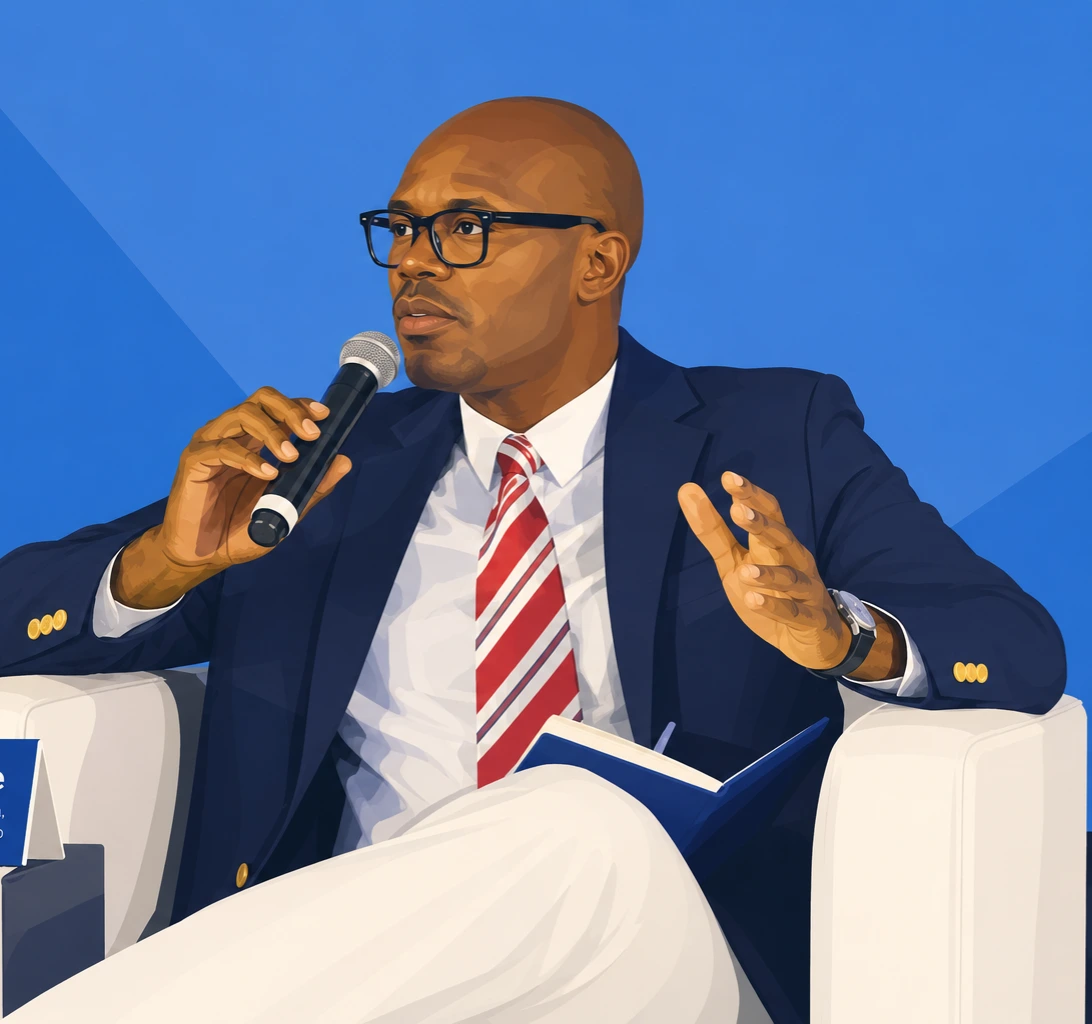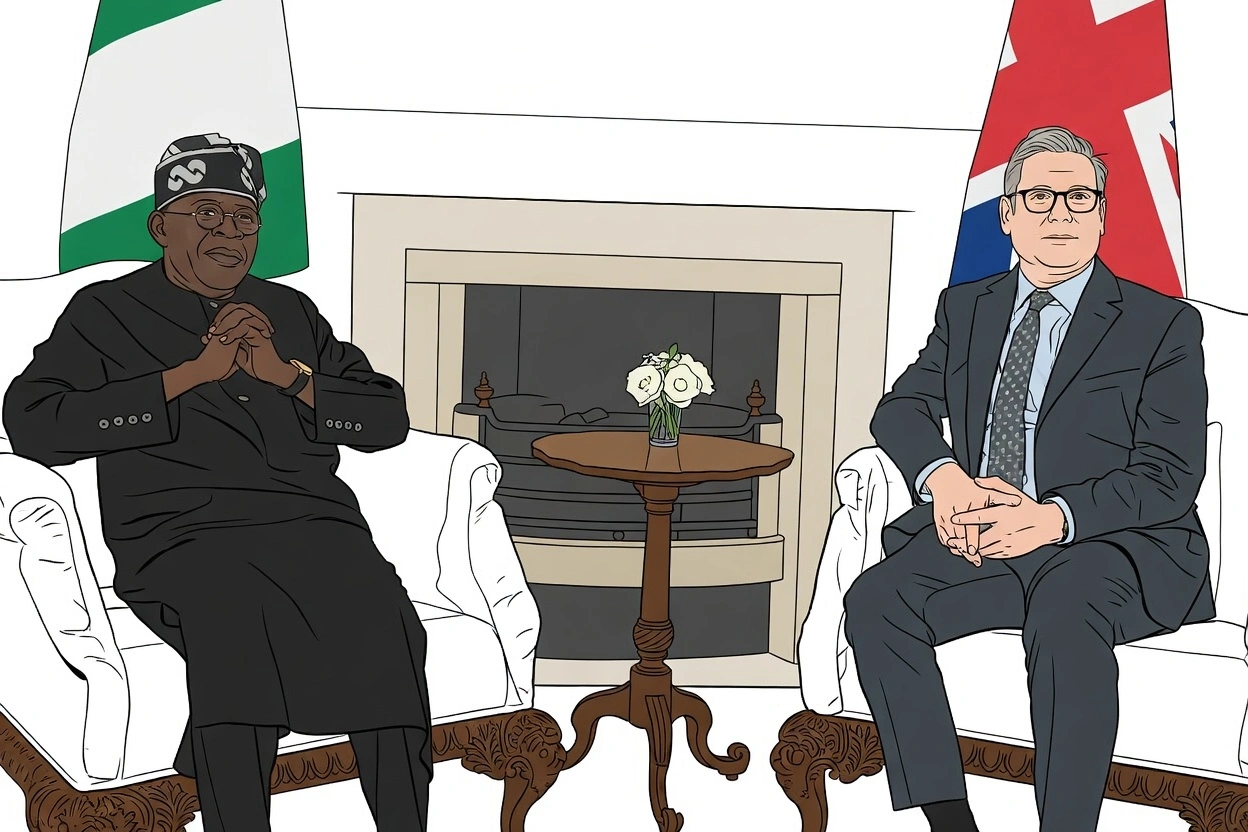
A Nigeria–UK investment roundtable in London has added commercial substance to President Bola Ahmed Tinubu’s state visit to the United Kingdom, with Lagos emerging as one of the clearest subnational beneficiaries of the moment.
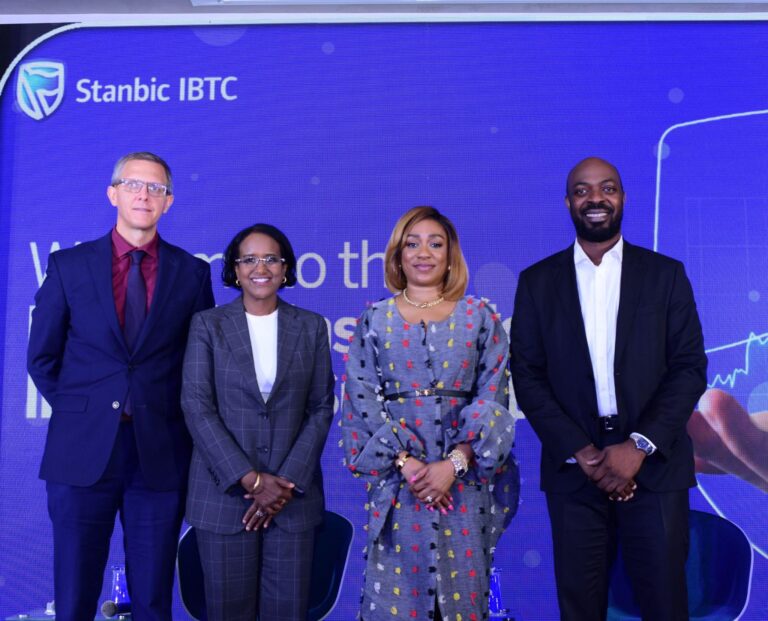
Convened by the Nigerian Investment Promotion Commission in partnership with the Commonwealth Enterprise and Investment Council, the roundtable brought together senior Nigerian policymakers and UK-based investors to explore how Nigeria’s reform agenda can be matched with British and Commonwealth capital.
The engagement sits within a broader policy framework shaped by the UK–Nigeria Enhanced Trade and Investment Partnership (ETIP), which has become the institutional backbone for expanding trade, regulatory cooperation and investment flows between both countries. Bilateral trade has already reached £8.1 billion in recent reporting periods, underlining the depth of the relationship.
It was against this backdrop that Folashade Ambrose-Medebem framed the London roundtable as part of Lagos’ strategy to deepen engagement with global investors.
That ambition is grounded in economic reality. Lagos remains Nigeria’s primary destination for foreign capital and accounts for a disproportionate share of national GDP. But increasingly, it is also seeking to formalise that advantage through policy signalling and institutional reform.
Recent UK Investments: Capital Following Policy Signals
The UK’s growing prominence in Nigeria’s capital flows is visible in a pipeline of investments that intersect directly with Lagos’ economic structure.
A recent example is the £24 million manufacturing facility established in Lagos by Twinings Ovaltine—its first production hub in Africa—marking a shift toward localised industrial investment rather than import-based operations.
At the same time, the structure of British corporate engagement is evolving. Diageo’s sale of its majority stake in Guinness Nigeria to Tolaram reflects a move toward asset-light strategies, with global firms retaining brand ownership while local partners manage operations. This shift underscores both the opportunity and the operational complexity of the Nigerian market.
Alongside manufacturing, UK-linked capital continues to flow into fintech, energy and infrastructure—sectors that are heavily concentrated in Lagos and critical to its next phase of growth.
Education: A Strategic but Evolving Pillar
Education remains a central—if evolving—pillar of the UK–Nigeria relationship.
While Nigerian student numbers in UK universities have declined sharply in recent years, due in part to tighter visa rules, the relationship is being reconfigured rather than weakened.
UK institutions are increasingly establishing local partnerships and physical presence in Nigeria. Initiatives such as the proposed Wellington College Lagos and collaborations between UK universities and Nigerian institutions signal a shift toward in-country delivery of British education, with Lagos as the primary hub.
The implication is structural: the UK is moving from exporting education services abroad to embedding them within Nigeria’s urban economy.
Policy Credibility: Lagos Tops Ease of Doing Business Ranking
Lagos’ investment narrative has recently been reinforced by domestic policy validation.
At the PEBEC Diplomatic Roundtable Series 2026 in Abuja, the state was ranked Nigeria’s top subnational entity in the 2025 Subnational Ease of Doing Business Report, published by the Presidential Enabling Business Environment Council in collaboration with development partners.
With a score of 85.6%, Lagos led all states on measures including regulatory efficiency, infrastructure improvements and institutional transparency.
For investors, such rankings serve as shorthand indicators of execution capacity. In a market where policy risk and administrative friction have historically been major concerns, Lagos is attempting to distinguish itself through consistency and reform credibility.
Ambrose-Medebem framed the recognition as evidence that policy direction and execution are beginning to align—an important signal at a time when Nigeria is competing aggressively for global capital.
From Reform to Transactions: Invest Lagos 3.0
Beyond rankings, Lagos is also attempting to institutionalise its investment strategy.
Through its Invest Lagos 3.0 initiative, the state is moving toward a more structured engagement model designed to convert investor interest into actual deals. The framework is built around four pillars: policy alignment across government, sector-specific investment showcases, a deal room for transaction-ready projects, and talent development aligned with capital inflows.
The emphasis marks a shift from promotional investment summits toward transaction-focused platforms, where outcomes—rather than announcements—become the metric of success.
In effect, Lagos is seeking to position itself not just as a destination for capital, but as a convening hub for investment execution.
Lagos in the Global Economy
Lagos has the structural characteristics of a globally relevant city: scale, entrepreneurial dynamism, a large consumer market and a concentration of financial and cultural capital.
On economic output, it competes strongly with cities such as Nairobi and Johannesburg. But global-city status depends on more than economic weight.
This gap is reflected in global liveability metrics. Lagos ranks near the bottom of the Economist Intelligence Unit Global Liveability Index, highlighting persistent challenges in infrastructure, healthcare and urban systems.
The contrast with peer cities is instructive. Dubai offers predictability and infrastructure; Johannesburg benefits from institutional depth; Nairobi has built a coherent innovation ecosystem. Lagos, by contrast, offers scale and opportunity, but continues to face constraints in planning, governance and urban service delivery.
From Visibility to Credibility
The Nigeria–UK roundtable therefore represents more than a diplomatic engagement. It is part of a broader contest for capital in which perception and execution are increasingly intertwined.
With the UK already the leading source of capital into Nigeria, and with Lagos now ranked the country’s most business-friendly state, the city has strengthened its claim to be the primary gateway for investment.
But the challenge remains structural.

To move from being Nigeria’s commercial capital to a credible global city, Lagos must align its investment narrative with tangible improvements in infrastructure, governance and liveability.
The London conversations may open doors. Whether Lagos can walk through them—and remain competitive once inside—will depend on how effectively it converts reform momentum into sustained, visible transformation.