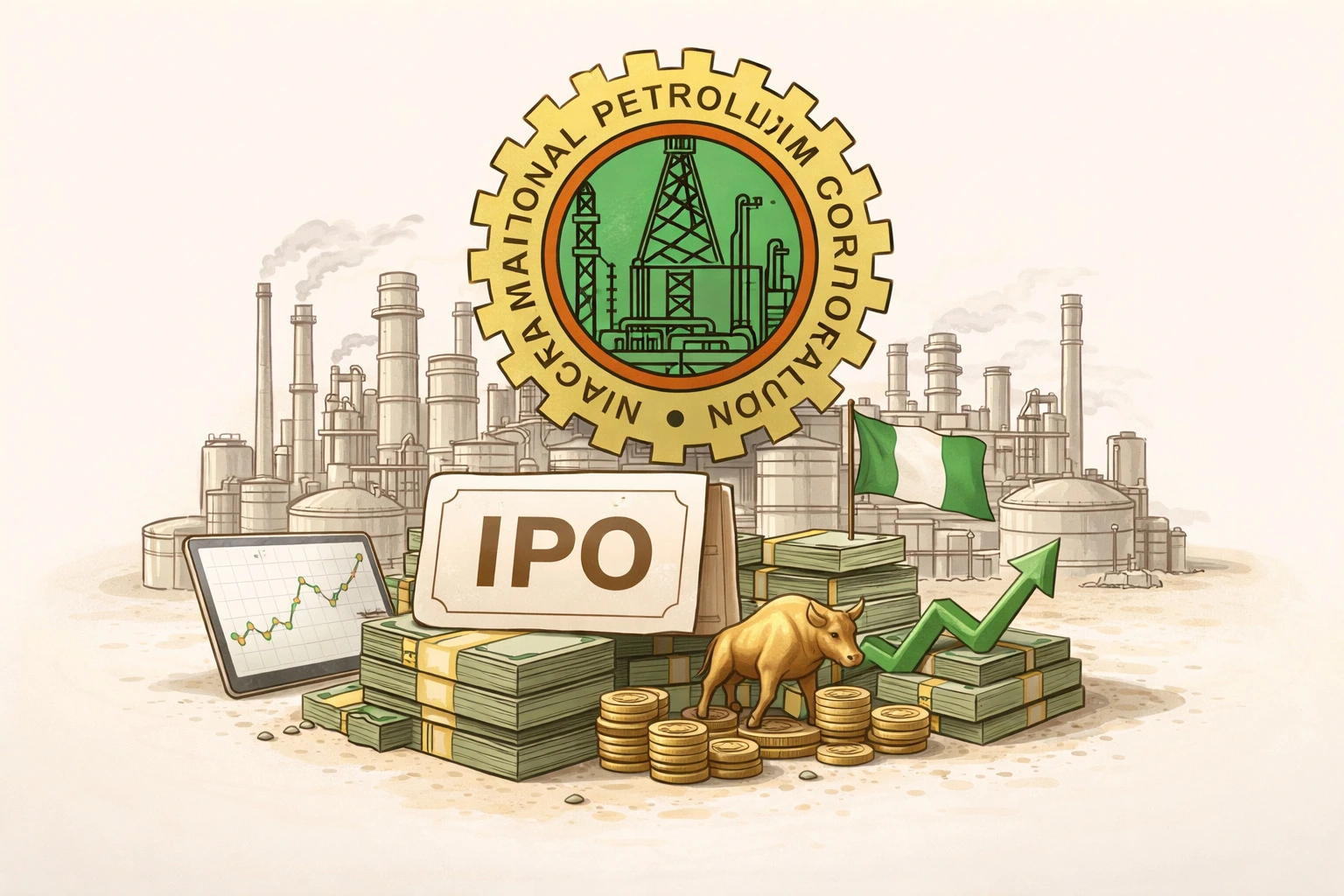
Nigeria’s state oil company, the Nigerian National Petroleum Company Limited (NNPC Ltd), is moving cautiously but deliberately toward a potential public listing on major global exchanges, including New York and London.
Rather than rushing to market, the company’s leadership is prioritising structural reform, operational efficiency, and investor credibility—signalling a strategic shift from state-controlled opacity to a commercially driven model.
Speaking at industry forums including CERAWeek, Group CEO Bayo Ojulari emphasised that the company’s approach is anchored not in urgency but in readiness. The objective is to build a business that meets the expectations of global capital markets—transparent, efficient, and consistently profitable.
This marks a significant departure from NNPC’s historical positioning as a fiscal and political instrument of the Nigerian state. The proposed IPO is not merely a financial event; it represents an institutional transformation.
$20bn Bonga Southwest Project Signals Investor Re-Engagement
A key indicator of improving investor sentiment is the $20 billion Bonga Southwest deepwater project. Long delayed by regulatory uncertainty and disputes with international oil companies, the project now appears to be moving forward under revised fiscal terms introduced by the Nigerian government.
The scale of the investment—among the largest in Nigeria’s oil sector in recent years—suggests renewed confidence among global energy players. It also reflects the impact of reforms aimed at improving project economics and regulatory clarity.
For nearly two decades, Nigeria’s deepwater segment has struggled to attract fresh capital. The revival of projects like Bonga Southwest signals a potential turning point, particularly as global capital begins to reassess frontier energy markets amid tightening supply conditions.
Production Growth and Strategic Integration
NNPC’s transformation is built around five strategic priorities, with production growth at its core. The company aims to increase crude oil output to two million barrels per day in the near term, with a longer-term target of three million barrels per day by 2030.
Achieving this will require not just upstream expansion, but also deeper integration across the value chain. Internally, NNPC is breaking down silos between upstream, midstream, and downstream operations to create a more unified and efficient structure.
This integration is intended to improve capital allocation, reduce inefficiencies, and enhance operational performance—key metrics for prospective investors.
Gas Expansion and Nigeria’s Industrial Ambitions
Gas development has emerged as a central pillar of NNPC’s strategy. The company is investing in infrastructure to connect key regions across Nigeria, with the aim of supporting industrialisation, improving power supply, and creating jobs.
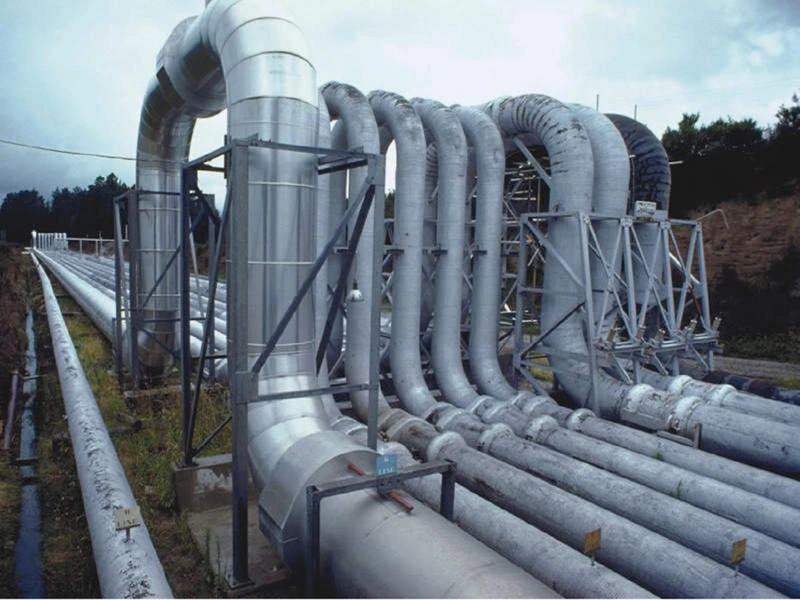
Projects such as the Nigeria-Morocco Gas Pipeline and the expansion of the West African Gas Pipeline are positioned not only as commercial ventures but also as strategic assets for regional integration and energy security.
Domestically, NNPC is expanding compressed natural gas (CNG) and liquefied petroleum gas (LPG) networks to deepen energy access and reduce reliance on imported fuels.
This gas-led strategy aligns with Nigeria’s broader economic ambitions—using energy as a catalyst for manufacturing growth and productivity gains.
Portfolio Rationalisation and Financial Discipline
Ahead of any listing, NNPC is undertaking a comprehensive portfolio review aimed at improving financial sustainability. This includes divesting from underperforming assets and concentrating capital on commercially viable ventures capable of delivering consistent returns.
Such discipline is essential if the company is to attract long-term institutional investors, particularly in an environment where global capital is increasingly selective.
The emphasis on profitability, rather than scale alone, reflects a more mature corporate strategy—one that recognises that valuation in public markets will depend on earnings quality and governance standards.
Governance Reforms and the Post-PIA Environment
A critical enabler of NNPC’s repositioning is the Petroleum Industry Act (PIA), which has redefined the institutional framework of Nigeria’s oil sector. By separating regulatory functions from commercial operations, the PIA has created a clearer operating environment.
For investors, this reduces one of the long-standing risks associated with Nigeria: regulatory ambiguity.
NNPC’s leadership is also pushing for a cultural shift within the organisation, positioning the company as a “partner of choice” for global investors. This involves improving transparency, strengthening governance, and aligning internal processes with international best practices.
IPO Timing: Readiness Over Urgency
Despite clear progress, no definitive timeline has been announced for the IPO. The company’s message is consistent: listing will occur only when the fundamentals are firmly in place.
This cautious stance reflects lessons from other state oil companies that have struggled to meet market expectations post-listing. For NNPC, the priority is to build credibility first—ensuring that when it eventually approaches the market, it does so from a position of strength.
The Bigger Picture: Nigeria’s Return to Global Capital
NNPC’s planned IPO sits within a broader narrative of Nigeria attempting to re-engage global investors after years of declining capital inflows.
If executed successfully, the listing could serve as a benchmark transaction—signalling that Africa’s largest economy is once again investable at scale.

But the stakes are high. The success of the IPO will depend not just on oil prices or investor appetite, but on the depth and durability of the reforms currently underway.
In that sense, NNPC’s transformation is as much a test of Nigeria’s institutional credibility as it is a corporate milestone.