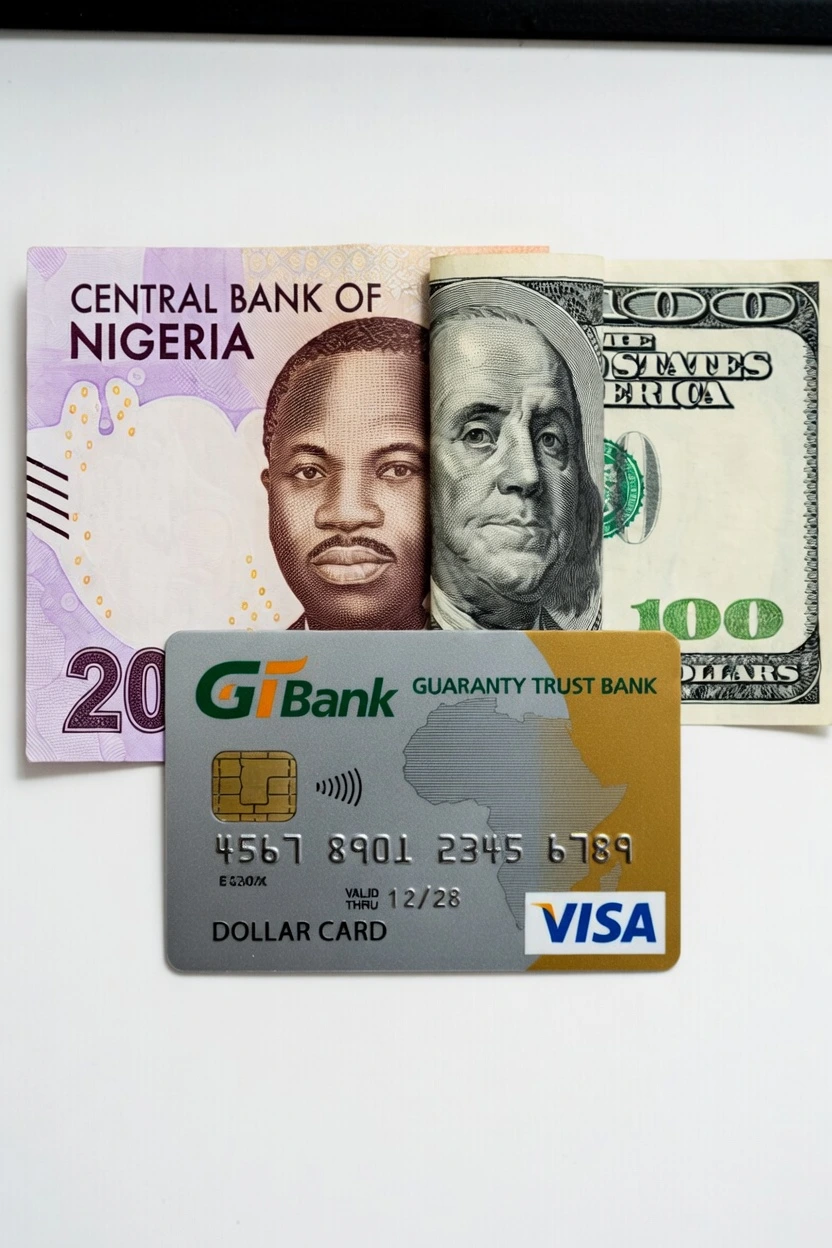
Guaranty Trust Bank (GTBank) has increased the foreign exchange rate for international transactions on its naira debit cards to ₦1,401 per dollar, up from the ₦1,385/$ level quoted earlier in March.
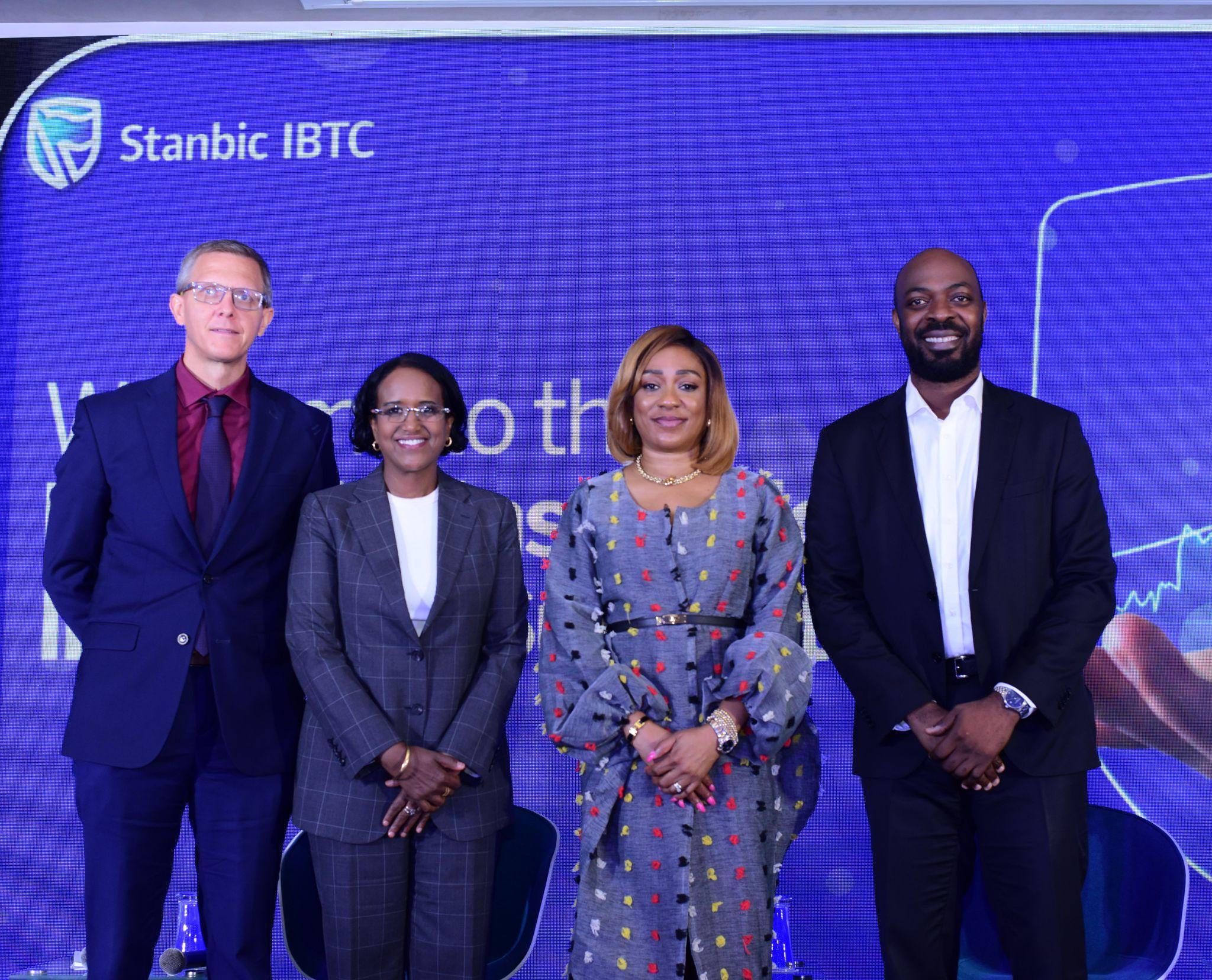
In contrast, Stanbic IBTC Bank has maintained its rate at ₦1,395 per dollar, indicating a more cautious adjustment despite ongoing market fluctuations.
The updated rates apply to international payments made using naira cards for services such as online subscriptions, e-commerce purchases, software payments, and travel bookings.
A Narrow but Meaningful Divergence
The ₦6 spread between GTBank and Stanbic IBTC highlights how Nigerian banks are independently pricing FX risk and liquidity conditions, even while broadly tracking the same underlying market.
GTBank’s upward adjustment suggests:
• Slightly tighter dollar sourcing conditions, or
• A more conservative pricing stance to hedge against short-term volatility
Stanbic IBTC’s unchanged rate may reflect:
• Access to relatively stable FX supply, or
• A deliberate effort to maintain pricing consistency for customers
Spending Limits Remain a Key Control Tool
Both banks continue to enforce quarterly limits on international spending via naira cards:
• GTBank: $6,000 per quarter
• Stanbic IBTC: $4,000 per quarter
These caps remain critical in managing aggregate demand for foreign exchange, preventing a surge in card-based dollar outflows.
Card Rates Increasingly Mirror Market Reality
The move to ₦1,401/$ reinforces a broader trend: bank card FX rates are now closely aligned with Nigeria’s official FX market dynamics, rather than being artificially suppressed as in earlier years.
Since the Central Bank of Nigeria’s FX reforms:
• Exchange rates have become more market-reflective
• Banks have regained partial capacity to support international transactions
• Pricing has become more dynamic and responsive to liquidity conditions
Recent movements in the official market — often within the ₦1,300–₦1,500/$ band — continue to shape how banks set card rates.
From Restriction to Gradual Normalisation
The return of international transactions on naira cards marks a significant shift from the 2022–2024 period, when most Nigerian banks:
• Suspended international card usage
• Directed customers to domiciliary accounts
• Faced severe FX rationing constraints
The current environment reflects a controlled reopening, where:
• Access is restored
• Pricing is market-based
• Demand is capped through limits
What This Means for Consumers and the Payments Ecosystem
For Nigerian consumers, the implications are mixed:
• Positive: Easier access to international services without needing domiciliary accounts
• Negative: Higher and fluctuating FX costs tied to market realities
For the financial system, however, the shift is significant. It signals a move toward:
• A more transparent FX regime

• Greater integration with global payment systems
• Improved compliance with international settlement standards