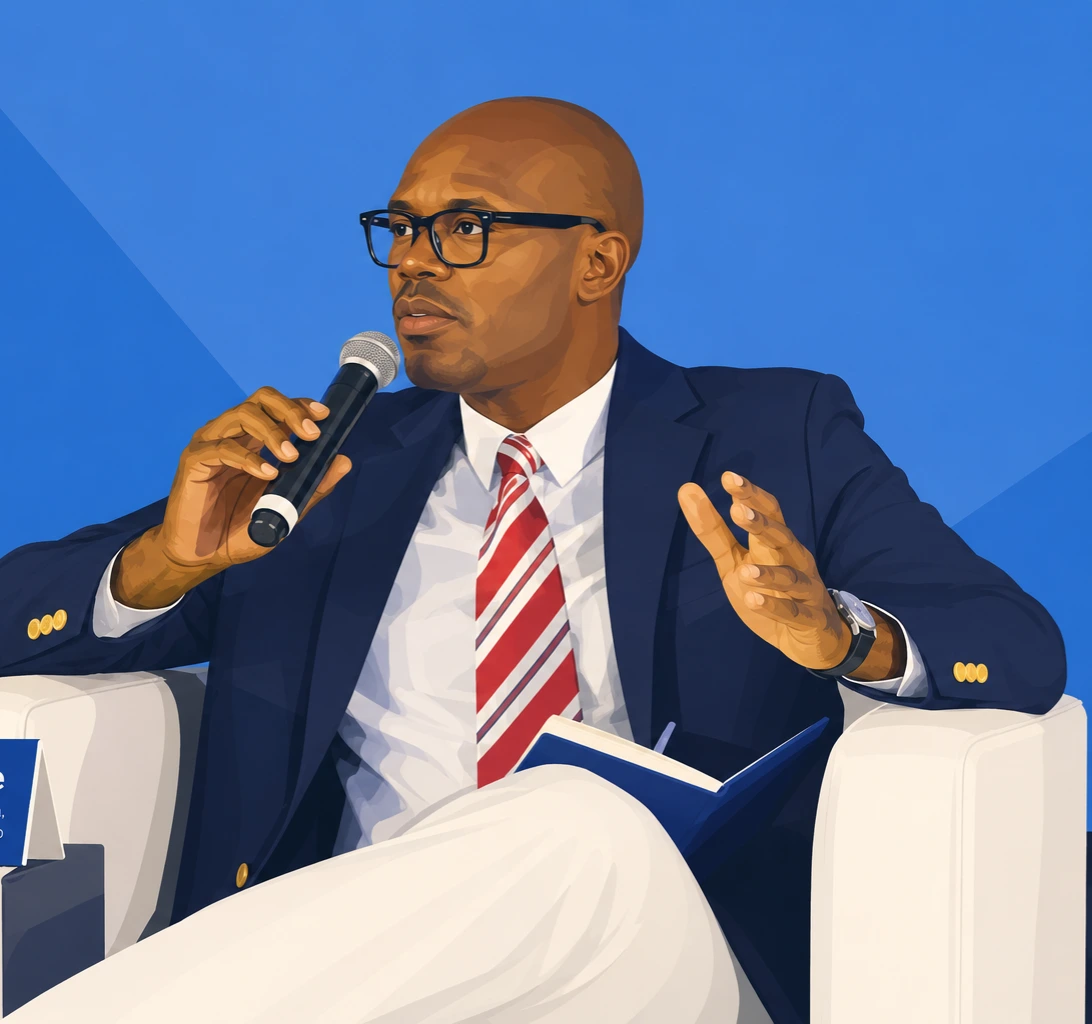
The World Economic Forum (WEF) has announced the postponement of its upcoming high-level conference in Jeddah, Saudi Arabia, citing escalating geopolitical tensions linked to the ongoing Iran war.
The event, known as the Global Collaboration and Growth Meeting, was originally scheduled for April 2026 but will now be held at a later date yet to be disclosed.
WEF cites regional instability
In an official statement released on Tuesday, the WEF said the decision was made after consultations with Saudi authorities, emphasizing the need to ensure the meeting achieves its intended strategic outcomes.
According to the organization, the postponement reflects a broader commitment to hosting the event under conditions that allow for meaningful engagement among global leaders.
The WEF noted that a new date for the conference will be communicated in due course.
Global events disrupted by geopolitical risks
The postponement highlights a growing pattern of major international gatherings being affected by rising instability in the Middle East.
Several major organizations have already adjusted their plans.
Partners Group reportedly relocated its annual investor meeting from Abu Dhabi to Switzerland, while JPMorgan Chase & Co. rescheduled a private event initially set to take place in Dubai.
These moves signal a broader shift toward risk management, as organizations seek to avoid disruptions and ensure strong participation.
Nigeria maintains active WEF engagement
Despite the disruption, Nigeria continues to deepen its engagement with the WEF, using the platform to promote investment opportunities and economic reforms.
At the 2026 WEF Annual Meeting, Nigeria unveiled its first official national pavilion, Nigeria House Davos, aimed at boosting the country’s global visibility and attracting foreign capital.
In previous engagements, Nigeria has also advocated for the full implementation of the African Continental Free Trade Area (AfCFTA), a landmark initiative expected to significantly expand intra-African trade and drive long-term economic growth.
Government officials say the country is increasingly focusing on targeted, problem-solving investment strategies across key sectors including energy, infrastructure, agriculture, manufacturing, technology, and financial services.
Scrutiny around WEF leadership
Meanwhile, the WEF has recently faced scrutiny following a report by Swiss outlet SonntagsZeitung regarding its founder, Klaus Schwab.
The report alleged that preliminary findings from an ongoing investigation suggest possible manipulation of economic rankings and questionable expense claims during his tenure.
The WEF has yet to issue a detailed response to the claims.