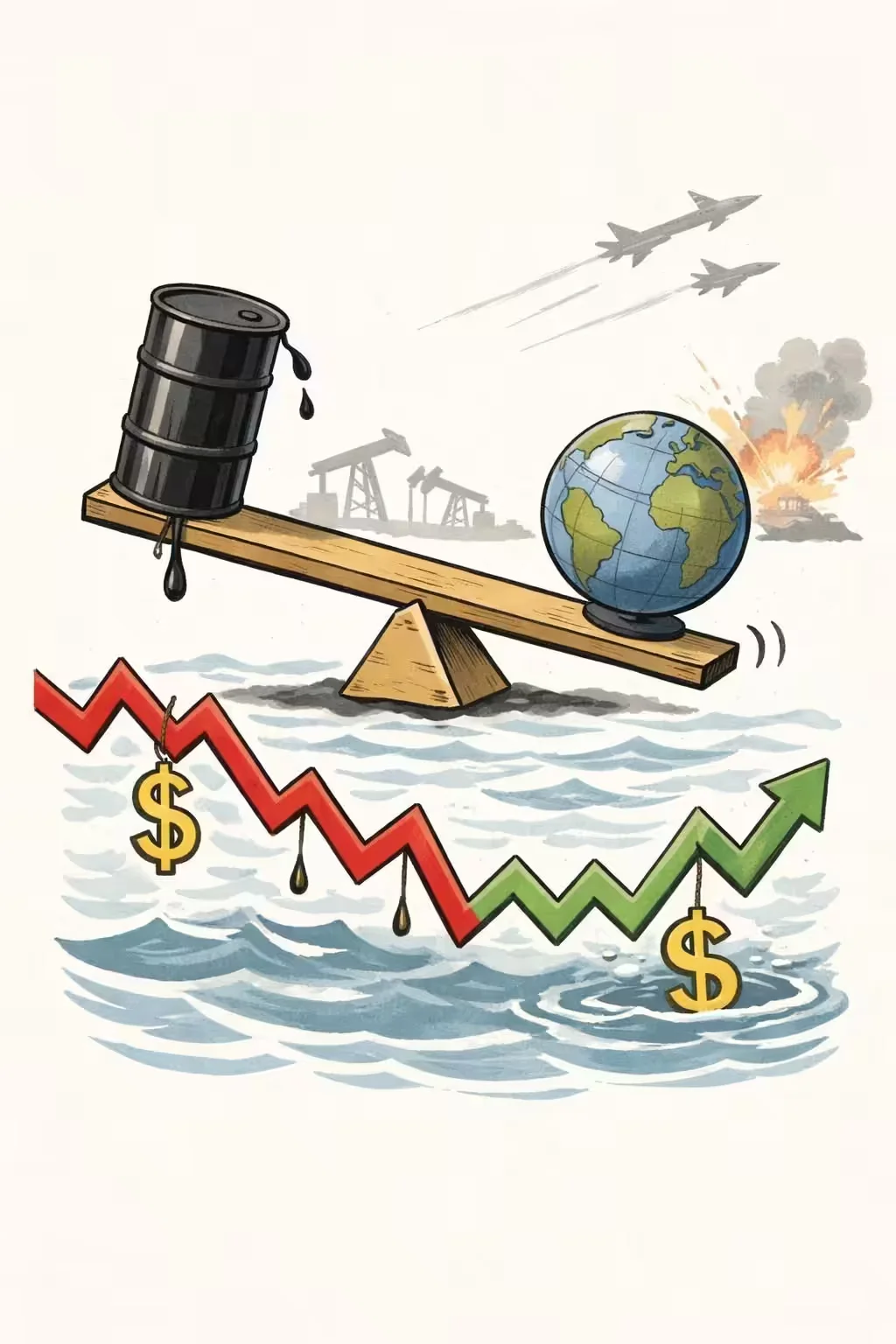
Oil prices climbed above $100 per barrel, as conflict in the Middle East disrupted shipping through the Strait of Hormuz, a maritime chokepoint through which roughly one-fifth of the world’s oil supply passes.
The surge reflects fears that Iran’s restrictions on tanker traffic could tighten global supply at a moment when energy markets are already strained. But an unexpected diplomatic development may offer some relief: India’s direct negotiations with Tehran to allow vessels through the waterway.
India’s foreign minister S. Jaishankar said discussions with Iranian officials had already allowed some Indian-flagged gas tankers to pass through the strait — a sign that diplomacy may succeed where military pressure risks escalation.
The talks highlight how energy-importing countries are increasingly relying on pragmatic diplomacy to secure oil shipments rather than joining calls for naval intervention.
Why the Strait of Hormuz Moves Global Oil Prices
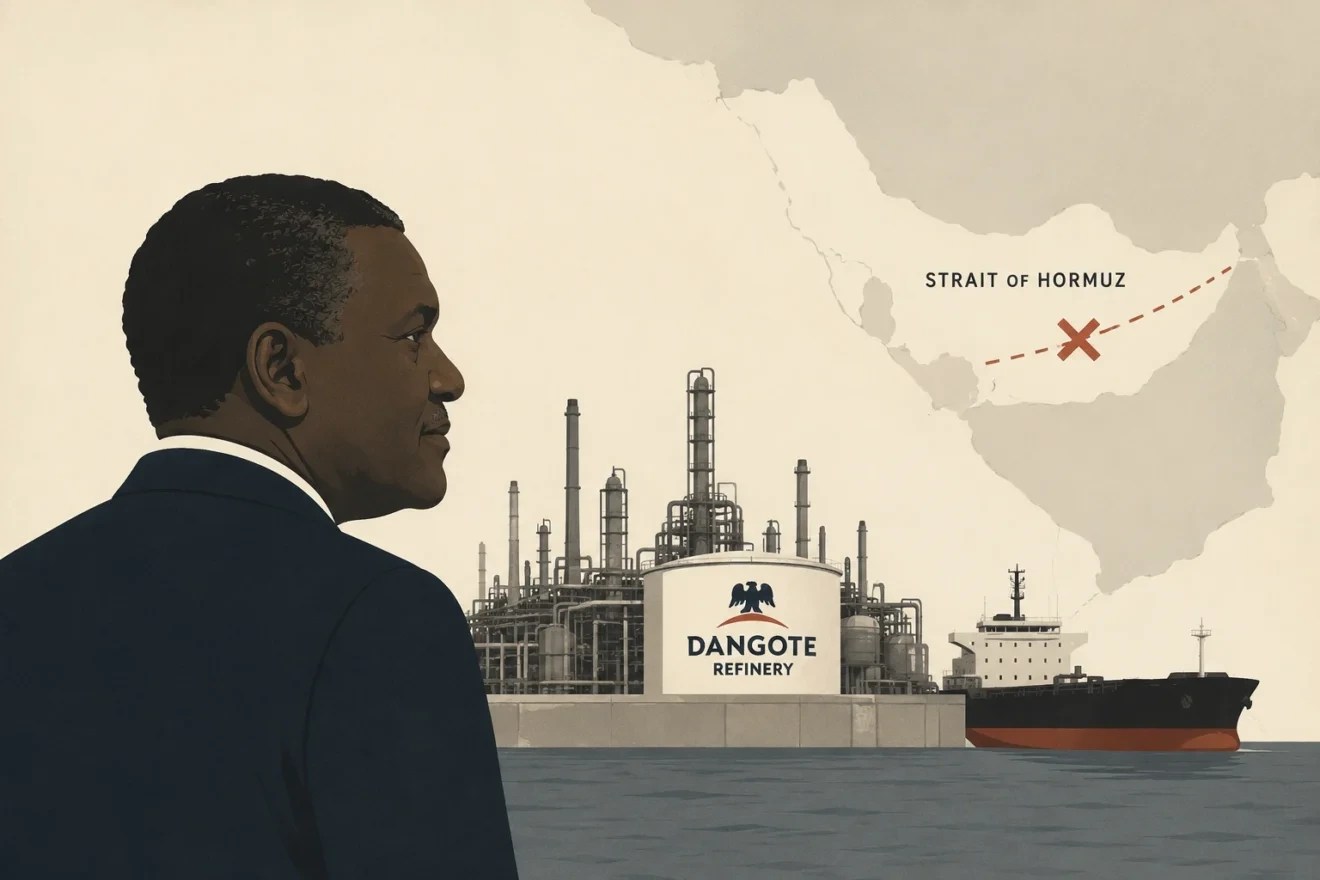
Few locations have as much influence on global oil prices as the Strait of Hormuz.
The narrow passage between Iran and Oman connects the Persian Gulf to the Arabian Sea and serves as the export route for crude from Saudi Arabia, Iraq, Kuwait, the United Arab Emirates and Qatar.
Around 20 million barrels of oil per day — nearly 20% of global petroleum consumption — normally pass through the corridor.
Even limited disruption can send immediate shockwaves through markets.
Shipping insurers have raised premiums sharply, while some tanker operators have delayed voyages until security conditions improve. These disruptions have tightened supply expectations and pushed oil prices higher.
India’s Energy Diplomacy
India’s decision to negotiate directly with Iran reflects the country’s strategic dependence on Middle Eastern energy.
India imports more than 80% of the crude oil it consumes, with a significant share coming from Gulf producers whose exports rely on Hormuz.
Rather than aligning fully with calls for a military reopening of the strait, New Delhi has pursued a case-by-case diplomatic approach to secure passage for its vessels.
According to Jaishankar, the arrangement does not involve any formal agreement with Tehran. Each ship’s transit is handled individually.
“There is no blanket arrangement,” he said, emphasising that talks remain ongoing.
The approach allows India to keep critical energy shipments moving while avoiding deeper involvement in the escalating regional conflict.
Oil Markets Brace for Volatility
The crisis has already rattled global energy markets.
Analysts say sustained disruption at Hormuz could push oil prices significantly higher, especially if tanker traffic remains constrained for weeks rather than days. Energy traders are closely watching diplomatic developments, including negotiations between Iran and several countries seeking safe passage for their vessels.
At the same time, Western governments are considering a military response. The United States has urged allies to deploy naval forces to ensure the strait remains open, while European governments are discussing whether to expand maritime security missions. Such moves could stabilise shipping — but they also risk intensifying the conflict.
What It Means for the Global Economy
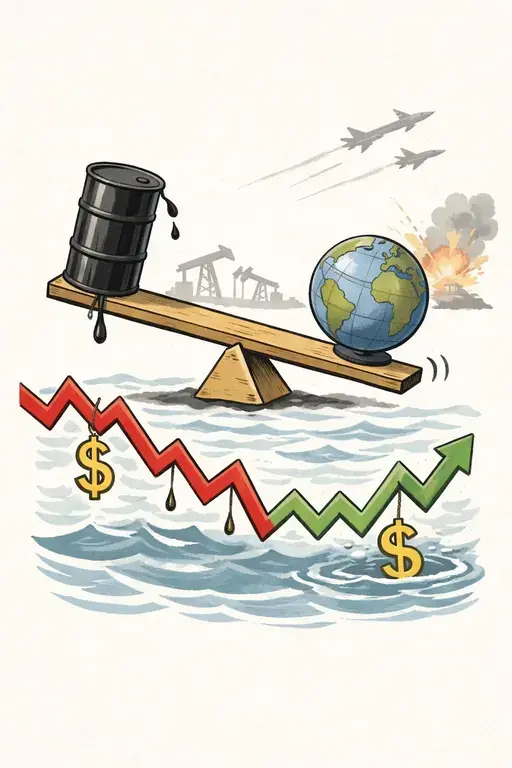
Higher oil prices quickly feed into inflation and economic growth across the world.
For energy-importing countries in Asia, including India, Japan and South Korea, a prolonged disruption in the Strait of Hormuz could sharply increase fuel costs and widen trade deficits.
For oil-exporting countries, however, the crisis could temporarily boost revenues.
Diplomacy or Escalation?
The coming weeks may determine which path the crisis takes.
If negotiations similar to India’s expand to other countries, tanker traffic could gradually resume and stabilise markets.
But if the conflict deepens or shipping remains restricted, the Strait of Hormuz could become the epicentre of the most significant oil supply shock since the early stages of the Ukraine war.

For now, global markets are watching closely.
Because in the oil market, no waterway matters more than the Strait of Hormuz.