Nigeria’s already fragile electricity supply could deteriorate further as gas suppliers threaten to halt deliveries to thermal power plants over billions of naira in unpaid debts owed by power generation companies (GenCos), raising the risk of deeper nationwide power shortages.
Gas Suppliers Warn of Supply Cuts
Industry stakeholders say gas producers are increasingly unwilling to continue supplying fuel to electricity generation companies due to the accumulation of large unpaid invoices within Nigeria’s power sector. Estimates indicate that gas suppliers are owed about ₦3.3 trillion, a substantial portion of the broader debt burden facing the electricity value chain.
The sector’s financial challenges stem from a chain of unpaid obligations: electricity distribution companies often struggle to recover full payments from consumers, which reduces the funds available to pay generation companies. In turn, GenCos are unable to fully settle their obligations to gas suppliers.
Industry estimates suggest that total debts across the electricity value chain have climbed into the multi-trillion-naira range, threatening the sustainability of private investments in power generation and gas supply infrastructure.
According to power sector operators, about 70% of the payments made to thermal plants are meant to cover gas supply costs, meaning most of the revenue generated by electricity sales flows directly to gas producers. However, persistent payment delays have left many suppliers unpaid for extended periods.
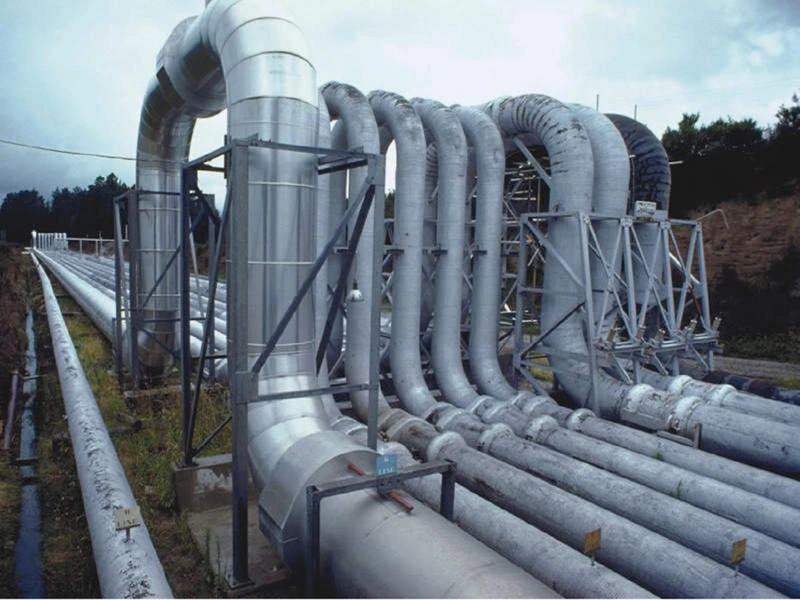
Industry leaders warn that if gas suppliers suspend deliveries, many thermal plants—which generate the bulk of Nigeria’s electricity—may be forced to shut down operations.
Electricity Generation Declining
The warning comes as electricity output on Nigeria’s national grid has already declined significantly due to gas supply constraints.
Data from the Nigerian Independent System Operator shows that national electricity generation recently fell to 3,940 megawatts, well below the country’s installed capacity, after several generating units were forced offline due to inadequate gas supply.
The operator noted that thermal plants require about 1,588 million standard cubic feet of gas per day to operate at optimal capacity, but actual supply remains far below that level, leading to frequent disruptions.
Because thermal plants account for the majority of Nigeria’s electricity generation, even modest reductions in gas supply can significantly reduce available power on the national grid.
Unless the debt dispute between gas suppliers and power generation companies is resolved quickly, Nigeria could face more frequent power shortages and grid instability in the coming months.