The fresh escalation of conflict in the Gulf has once again pushed oil prices upward.
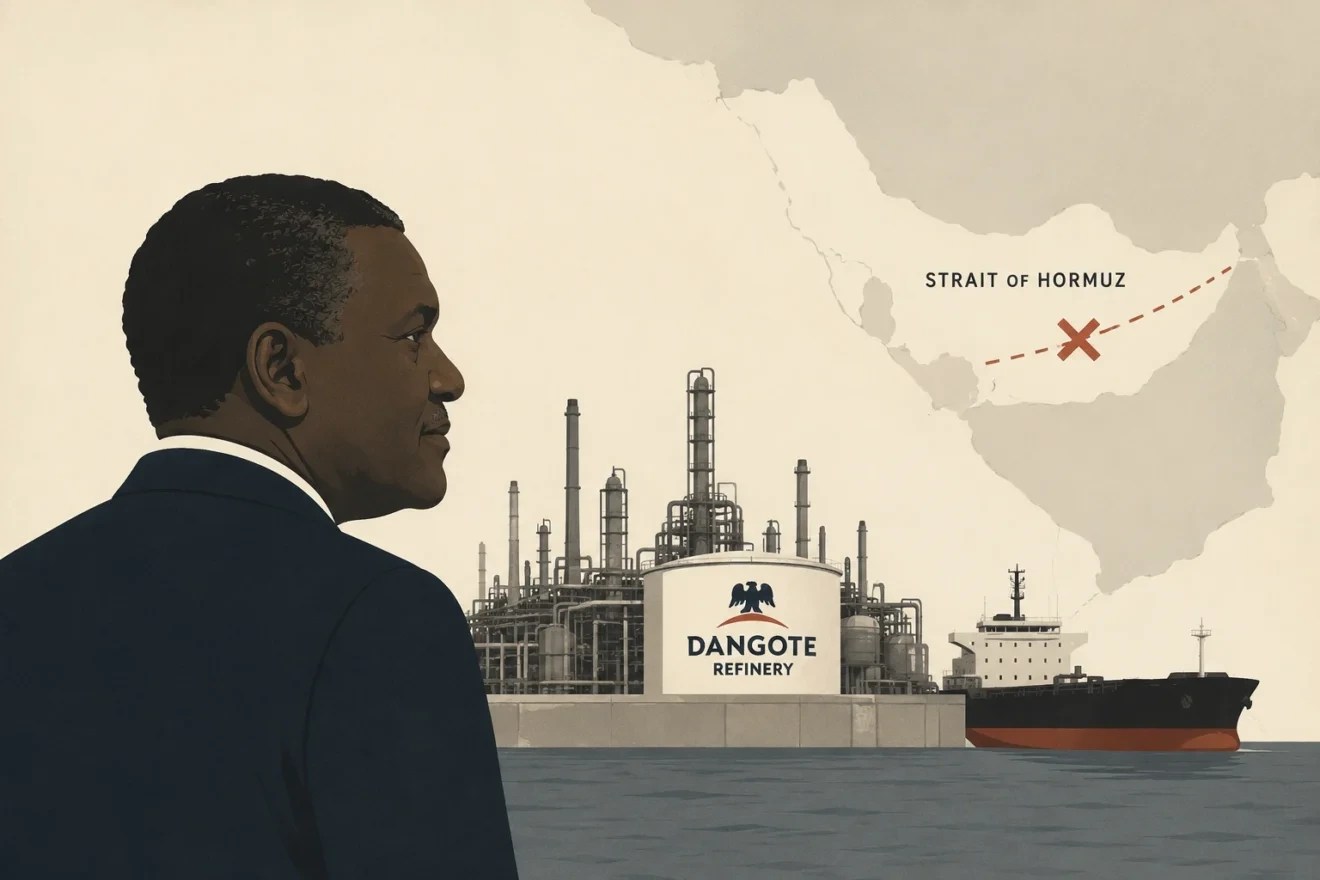
When tensions rise around the Strait of Hormuz — a major shipping route for global oil and gas — markets react immediately. Traders do not wait for full-scale disruption before adjusting prices.
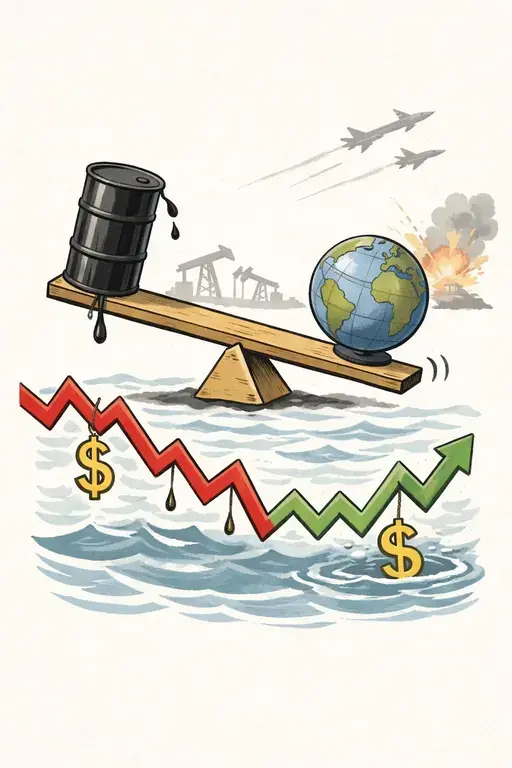
If crude oil climbs towards $100 per barrel, Nigeria finds itself in a familiar situation. Higher oil prices can boost government revenue.
At the same time, they can make life more expensive for ordinary Nigerians.
The real issue is not whether $100 oil is “good” or “bad.” The key question is whether Nigeria can turn higher prices into lasting economic gains.
Why the Opportunity Is Not Immediate
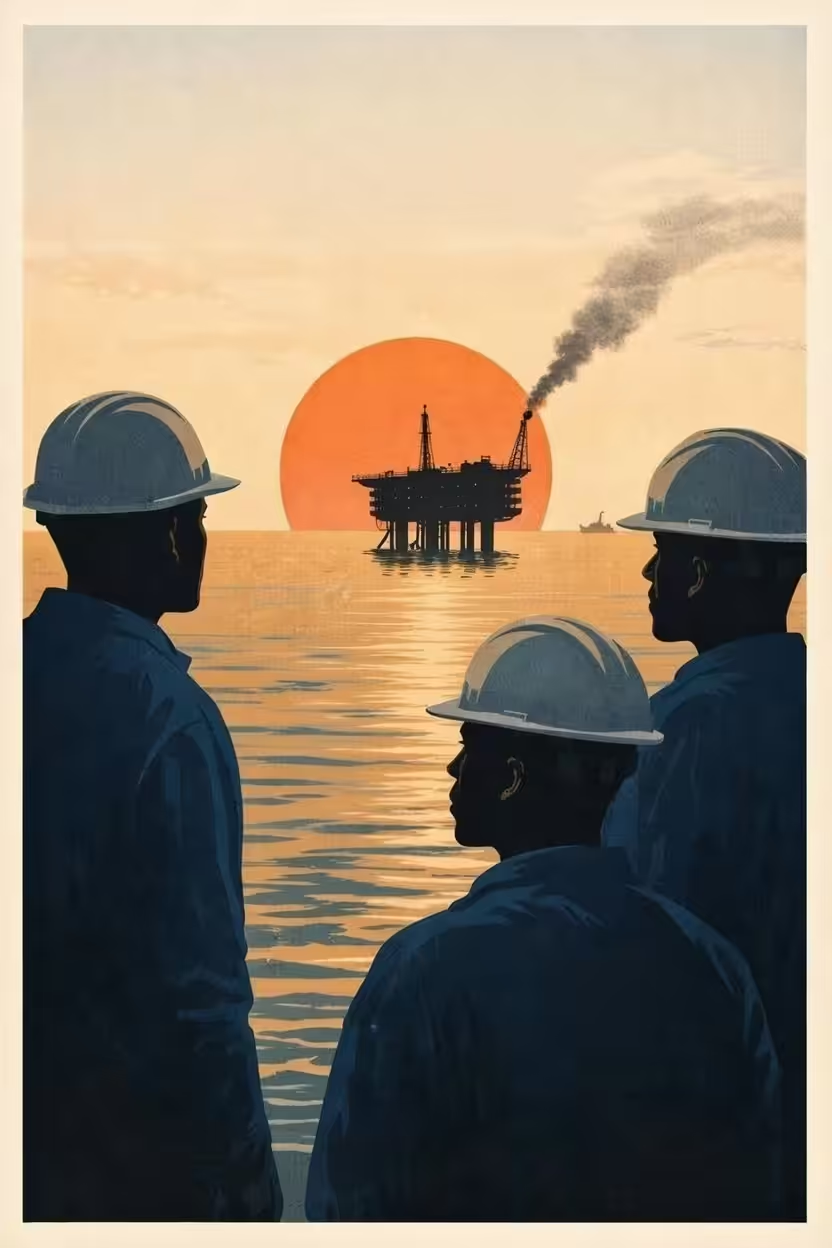
There is an important reality that tempers the excitement. Nigeria cannot suddenly increase oil production because prices rise.
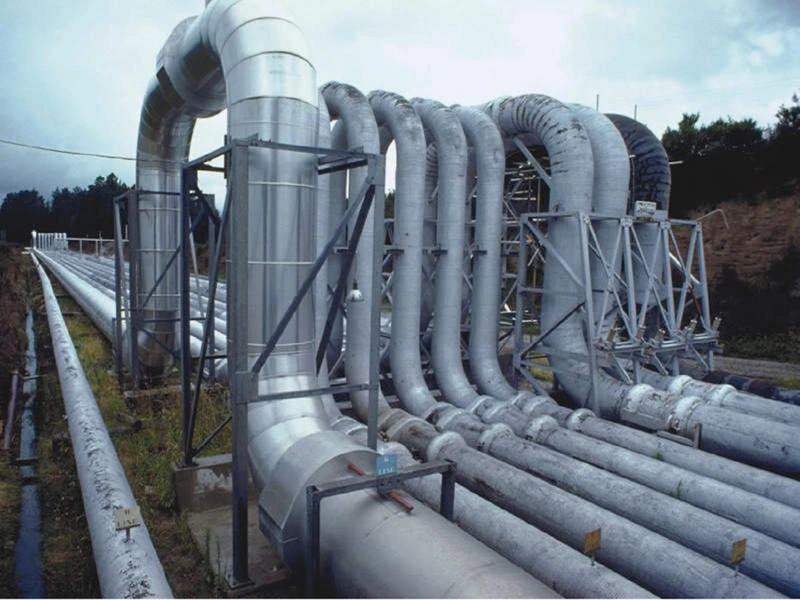
Production challenges are long-standing. Pipeline vandalism, oil theft, maintenance backlogs and investment delays cannot be solved in a few weeks.
Even if oil sells at $100, new barrels do not appear overnight.
If the crisis lasts only four to six weeks, Nigeria will simply enjoy slightly higher prices for existing production. That is helpful, but it is not transformative.
In other words, the opportunity is long term, not short term.
Duration Matters More Than the Price
What really matters is how long the crisis lasts.
If tensions calm down within a month or so, the market would have already factored in the risk.
Tanker movements would stabilise. Insurance costs would fall. Oil prices would likely settle back.
In that case, nothing fundamental would have changed. This would not be another Ukraine-style shock that permanently reshaped global energy markets.
For this crisis to truly alter the global energy landscape, disruptions would need to continue for six months or more.
That would require sustained attacks, retaliation and prolonged instability in the region.
At the moment, that scenario appears unlikely. The chances of the weakened Iranian regime launching attacks that trigger six to nine months of continuous retaliation seem low.
Prolonged confrontation demands political unity, economic resilience and strategic appetite — all of which may be limited.
If the conflict cools quickly, markets will see the recent spike as temporary overreaction.
Could the Outlook Actually Improve?
There is even a counterintuitive possibility. If Iran emerges weakened and forced to focus on its domestic economic and political challenges, it may have less appetite for regional adventures.
That outcome could reduce long-term geopolitical risk in oil markets.
Greater stability in the Gulf would lower risk premiums embedded in oil prices and improve predictability for producers and consumers alike.
In that case, today’s tension could lead to a calmer medium-term outlook.
The Fiscal Upside for Nigeria
Still, if oil touches $100, Nigeria’s government finances improve almost immediately.
Oil revenue remains central to:
Federation allocations
Foreign exchange inflows
External reserves
Budget stability
Higher prices provide breathing room at a time when debt-service obligations remain heavy.
They strengthen cash flow and improve confidence in Nigeria’s ability to meet its financial commitments.
Oil-producing companies also benefit, as stronger prices improve profits and balance sheets.
However, price alone does not guarantee a windfall. Revenue depends on price, production and efficient collection. If output remains weak or leakages continue, the gains will be smaller than expected.
The Risk: Higher Costs at Home
There is another side to the story.
Nigeria exports crude oil, but it still feels the impact of global fuel prices.
When oil prices rise, petrol and diesel costs tend to increase. Transport becomes more expensive. Food prices climb. Manufacturers face higher production costs.
Even with improving local refining capacity, global crude prices still influence domestic fuel economics.
So while the government earns more, households may struggle with rising living costs. That is the central contradiction of high oil prices in Nigeria.
The Bigger Opportunity: Gas
If there is a real long-term opportunity, it lies more in natural gas than crude oil.
A prolonged Gulf crisis would unsettle global LNG markets. European and Asian buyers would look more seriously at diversifying supply away from one region.
Nigeria has large gas reserves and existing LNG infrastructure. But this advantage only becomes meaningful if disruptions last long enough to change global contracting and investment decisions.
Without six months or more of sustained instability, global gas trade patterns are unlikely to shift dramatically.
A Test of Preparedness
Nigeria’s core challenge has never been a lack of resources. It has been execution, consistency and speed.
If the crisis is brief, Nigeria will enjoy temporary fiscal relief but face higher domestic costs. If it drags on for six months or longer, it could reposition Nigeria strategically in global energy markets — especially in gas.
Ultimately, the window is defined not by the price of oil, but by how long the crisis lasts.
$100 oil sounds dramatic. But for Nigeria, time — not price — will determine whether this moment becomes a missed opportunity or a turning point.