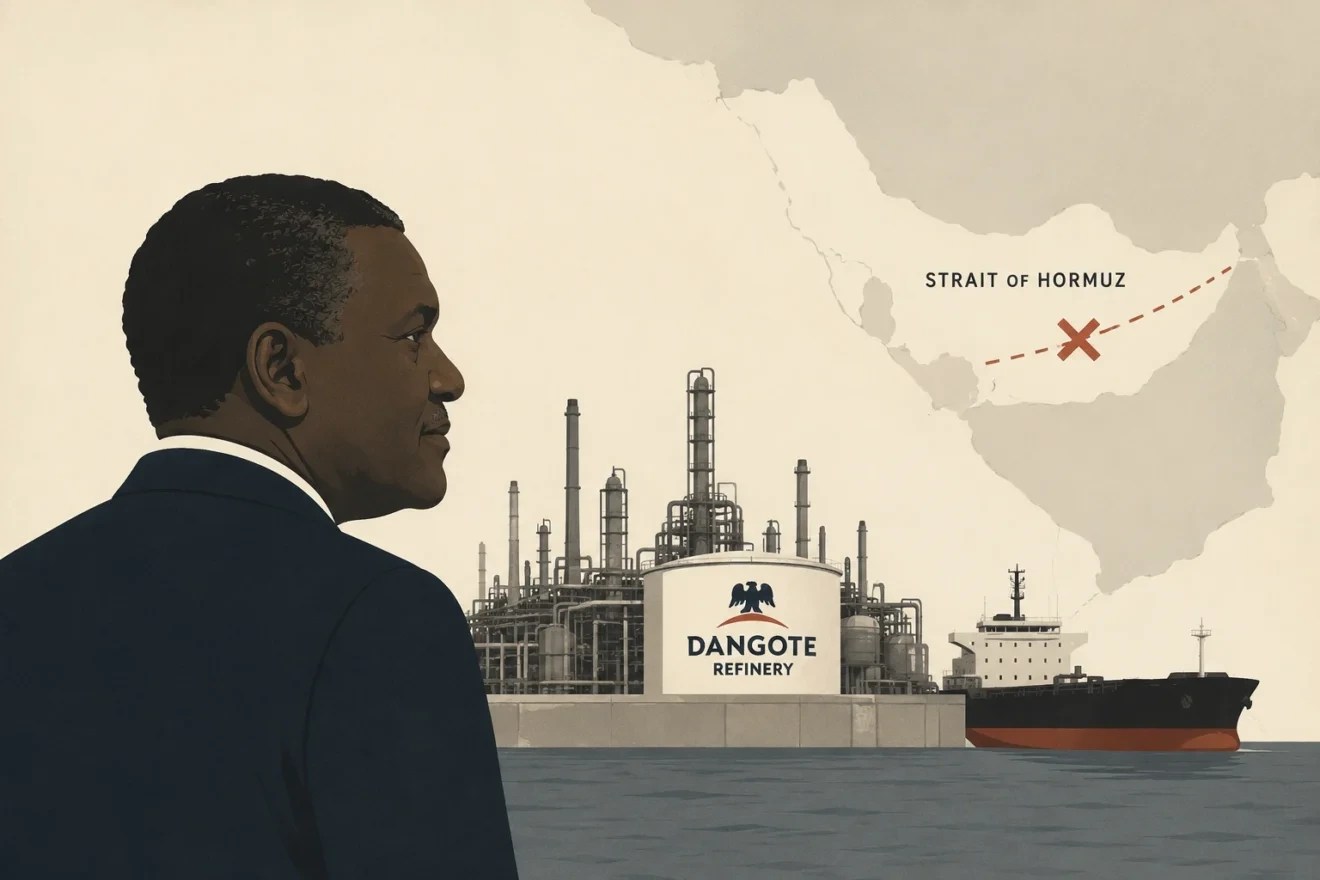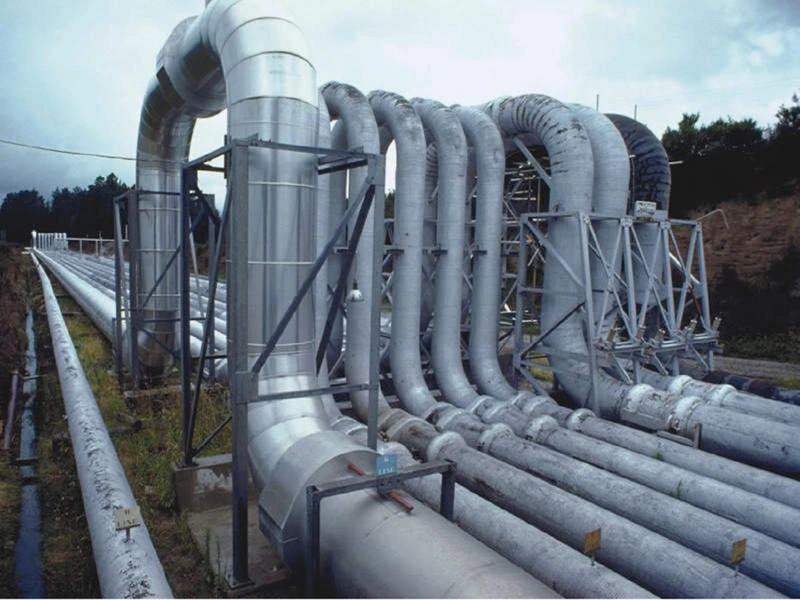
In what could become the most consequential capital market event in Nigeria’s recent history, the Dangote Petroleum Refinery is preparing for a July 2026 listing on the Nigerian Exchange (NGX), with a structure rarely seen in emerging markets: investors will buy shares in naira but may receive dividends in US dollars. The announcement by Aliko Dangote signals more than an IPO. It reflects a deliberate financial engineering strategy designed to attract domestic capital in a currency-volatile environment, while leveraging the refinery’s export earnings to create a natural hedge.
A Very Big Refinery in Global Terms
Located in Lagos’ Lekki Free Zone, the Dangote Refinery is the largest single-train refinery in the world, with nameplate capacity projected to reach 650,000 barrels per day initially and ambitions to scale further.
Unlike traditional Nigerian industrial listings, this IPO is anchored by a project with substantial foreign currency earnings potential. The refinery is projected to generate up to $6.4 billion annually in export revenues from refined petroleum products and petrochemicals. That export profile underpins the IPO’s most distinctive feature.
The “Naira-In, Dollar-Out” Dividend Structure
At the heart of the proposed listing lies a structural innovation that is deceptively simple but financially consequential. Investors would subscribe for shares in naira, as is standard for a Nigerian Exchange offering. However, dividends could be declared and paid in US dollars, with those payouts funded directly from the refinery’s export earnings.
The significance of this arrangement becomes clearer when viewed against Nigeria’s monetary history. In a market where currency depreciation has frequently diluted real investment returns, the ability to receive dollar-denominated income introduces a natural hedge within a domestic equity instrument. It effectively converts an NGX-listed share into a quasi hard-currency yield asset—without the regulatory complexity, capital flight optics, or liquidity constraints associated with offshore listings.
For institutional investors, pension funds, and high-net-worth individuals seeking exposure to dollar cash flows while retaining their capital within Nigeria’s financial system, the structure is strategically compelling. It aligns domestic participation with export competitiveness, linking shareholder returns directly to foreign exchange generation rather than purely local earnings cycles.
Ownership Structure: NNPC’s Transitional Stake
NNPC Limited currently holds a 7.25% minority stake in the refinery. According to Dangote, this holding effectively represents Nigerians pending the public offer.
Group CEO Bayo Ojulari recently toured the facility, reinforcing the strategic alignment between the refinery and Nigeria’s upstream sector.
Discussions are ongoing around potential upstream joint ventures to guarantee crude supply, with processing capacity targeted at 700,000 bpd by end-2026. This vertical integration is critical: steady crude supply de-risks operations and strengthens export earnings predictability—key to sustaining dollar dividends.