Nigeria is facing renewed pressure to reassess its fuel supply strategy after the World Bank warned that current restrictions on petrol imports could be worsening inflation and limiting competition in the downstream sector.
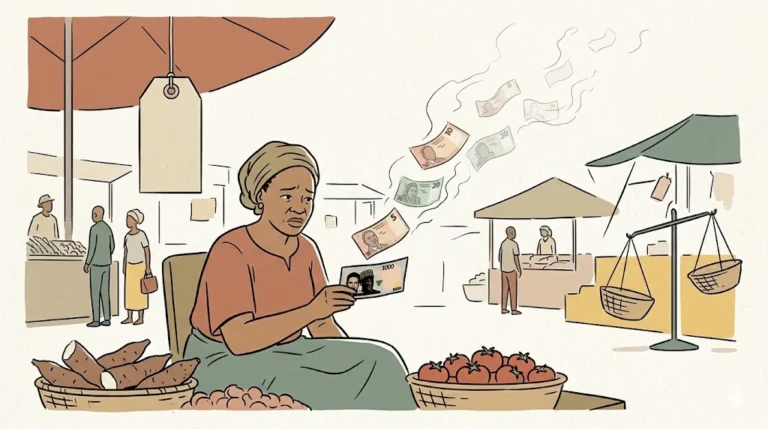
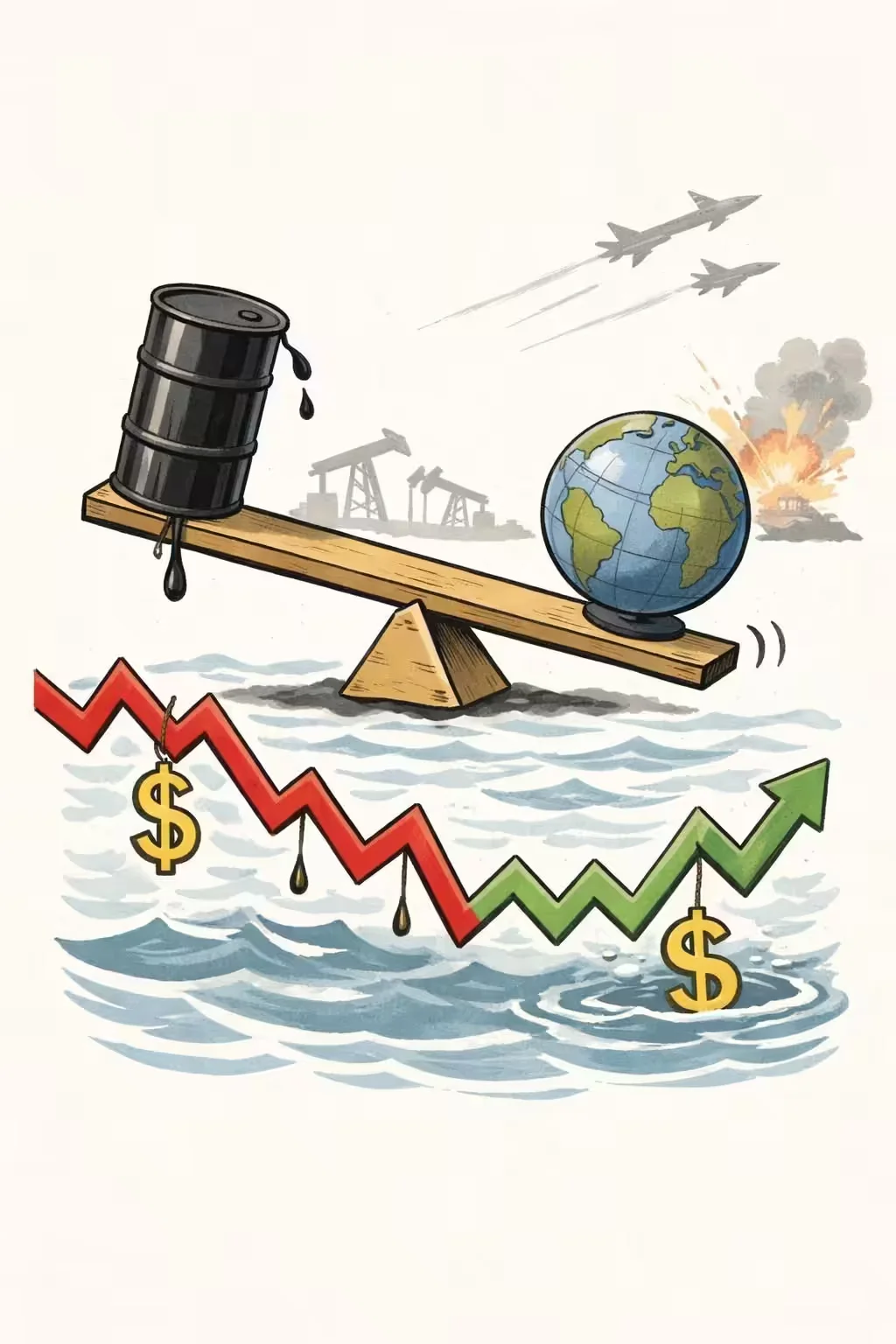
In its April 2026 Nigeria Development Update (NDU), the Bank said that while recent reforms have helped stabilise the macroeconomic environment, households continue to grapple with elevated living costs driven in part by rising fuel prices. The report noted a sharp increase in diesel and petrol prices between February and March, exacerbated by global energy market tensions linked to instability in the Middle East.
Import Restrictions Tighten Market Dynamics
Although Nigeria has not imposed a formal ban on fuel imports, the effective halt in petrol inflows since January 2026 has been driven by the non-issuance of import licences to marketers. This administrative move has significantly reduced supply competition without breaching existing laws.
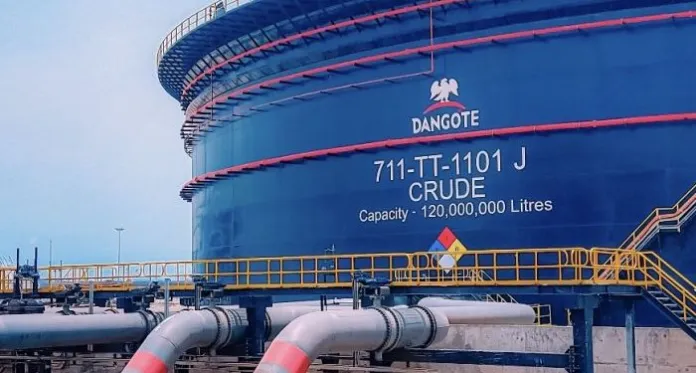
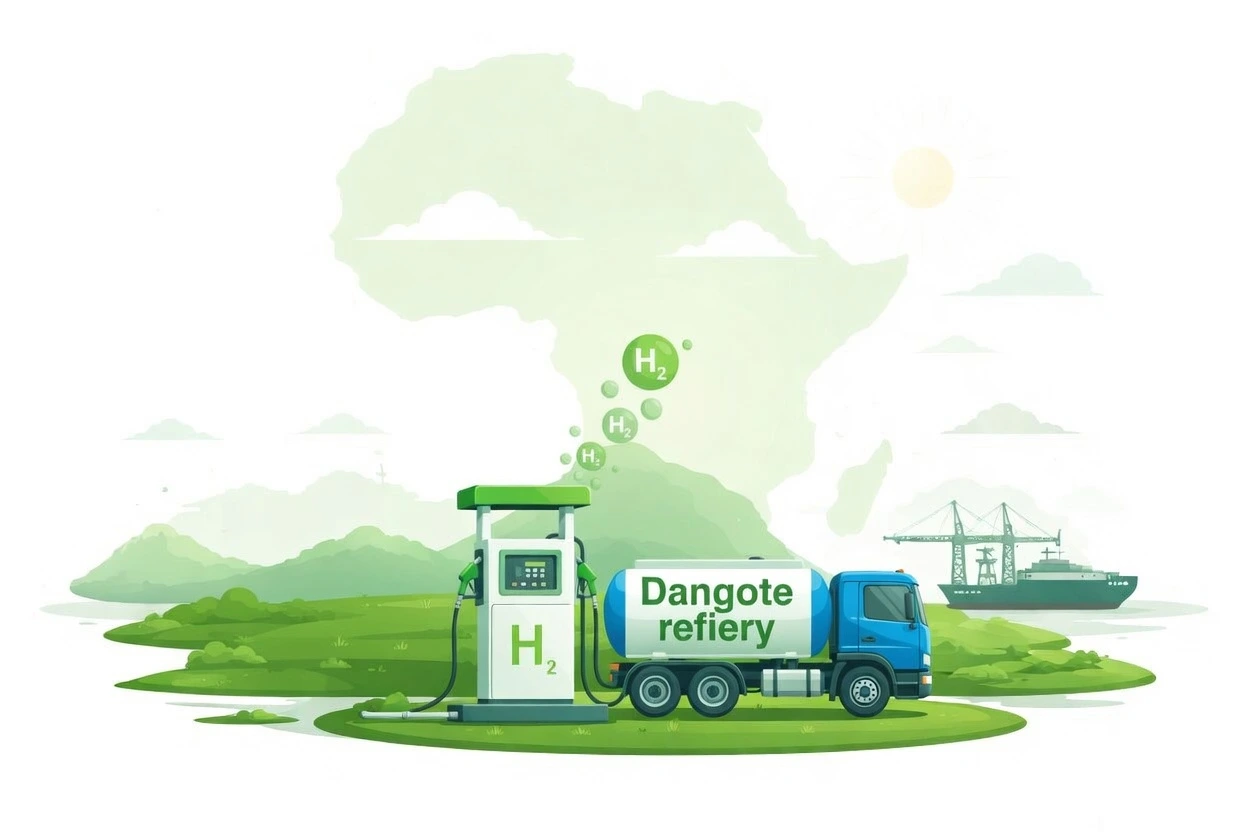
The policy direction is anchored in the Petroleum Industry Act, which allows imports only when domestic production falls short. With expanded refining capacity, particularly from the Dangote Refinery, authorities have prioritised local supply as part of a broader push toward energy self-sufficiency.
However, the World Bank cautioned that reduced competition has led to pricing inefficiencies, with fuel prices in some instances exceeding import-parity benchmarks.
World Bank Calls for Market Competition
At the report’s launch, Fiseha Gebregziabher, Lead Economist at the World Bank, recommended reopening the market to qualified fuel importers to improve pricing dynamics.
According to him, allowing imports would help restore competition, reduce distortions, and align domestic prices more closely with global trends. It would also enhance supply resilience by reducing reliance on a limited number of domestic producers.
The Bank emphasised that such a move need not contradict Nigeria’s long-term refining ambitions but could instead serve as a transitional measure to stabilise the market.
A Delicate Policy Trade-Off
Nigeria’s current fuel policy reflects a structural shift away from decades of dependence on imported refined products. By limiting imports, the government aims to conserve foreign exchange, strengthen domestic refining, and position the country as a net exporter.
Yet the impact on consumers has been mixed. While local refining reduces logistics and FX-related costs, the narrower supplier base has increased market concentration, reinforcing the dominance of major players like the Dangote Refinery.
As a result, fuel prices remain volatile—shaped by both global crude trends and domestic supply constraints with some evidence of prices rising above competitive levels.
Reintroducing fuel imports could offer near-term relief by improving price discipline and cushioning supply shocks. For consumers, this may translate into more stable or lower pump prices, particularly during periods of favourable global market conditions.

However, the risks are considerable. A policy reversal could undermine investor confidence in domestic refining, increase demand for foreign exchange, and put additional pressure on the naira. It may also introduce regulatory uncertainty at a critical stage in Nigeria’s energy transition.
Key Consideration
The World Bank’s recommendation highlights a central dilemma for policymakers: whether to prioritise immediate price stability or sustain momentum toward long-term energy independence. While reopening imports could ease inflationary pressures in the short term, it may complicate Nigeria’s ambition to build a self-sufficient and export-driven refining sector.