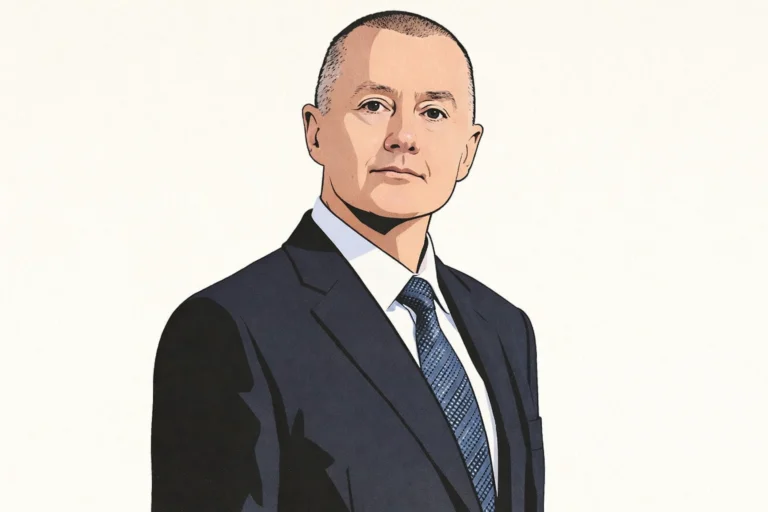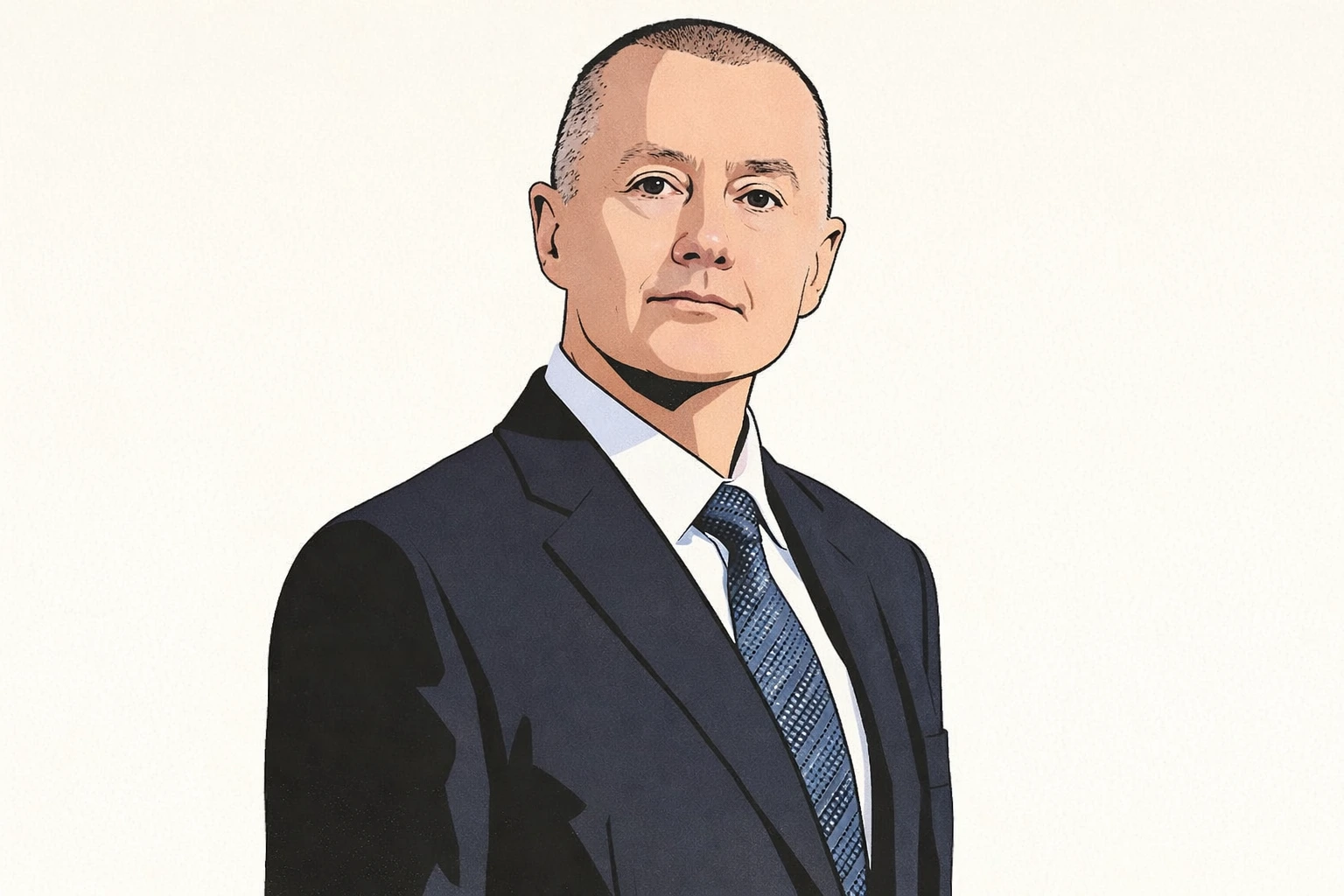
In a hiring decision that sent a clear signal about IndiGo’s global ambitions, India’s largest airline on Tuesday named Willie Walsh — one of the most recognisable and outspoken executives in commercial aviation — as its new chief executive officer.
The move comes at a critical juncture for the carrier, which is still recovering from the worst operational crisis in its 20-year history.
He is expected to assume his role at IndiGo no later than August 3, 2026, giving him precisely two days between jobs — a detail that says everything about the urgency IndiGo’s leadership feels.
IndiGo at a Glance
The Crisis That Forced IndiGo’s Hand
To understand why this appointment matters, one must first understand how IndiGo found itself needing a leader of Walsh’s stature.
In December 2025, the airline cancelled over 4,500 flights — a cascading breakdown triggered by a failure to adequately plan for pilot rest and duty regulations.
The crisis, the largest in IndiGo’s history, stranded thousands of passengers and drew the swift attention of India’s aviation regulator.
The aftermath was swift and severe. Regulators publicly reprimanded multiple senior executives, including then-CEO Pieter Elbers, citing “inadequate overall oversight of flight operations and crisis management.”
Elbers, the Dutch aviation veteran who had led the carrier since 2022, abruptly stepped down in the weeks that followed. Co-founder and managing director Rahul Bhatia stepped in to hold the reins temporarily — a familiar emergency position for founders navigating executive transitions.
IndiGo’s shares have fallen 22% so far in 2026, placing it among the biggest losers on India’s blue-chip Nifty 50 index.
Compounding the internal pressure, external headwinds have worsened: the ongoing war in the Middle East has forced Indian carriers onto longer, costlier flight routes, while Pakistani airspace restrictions add further financial strain.
“It’s a reflection of the airline’s stature in global aviation as well as India’s rising importance.”
— Kapil Kaul, CEO, CAPA India
Who Is Willie Walsh? A Career Built on Turbulence
Walsh is not a man who stumbles into the spotlight. Over five decades in commercial aviation, he has built a reputation as one of the industry’s sharpest — and sharpest-elbowed — operators.
His career arc reads like a case study in how to steer institutions through crisis, confrontation, and consolidation.
Willie Walsh — Career Timeline
The Walsh Playbook: What IndiGo Can Expect
Those who have watched Walsh up close describe a leader defined by three traits: operational rigour, confrontational honesty, and an unwillingness to defer to political pressure.
At British Airways, he locked horns repeatedly with cabin crew unions in disputes that became defining moments of his tenure — and his willingness to hold his position, even under public pressure, ultimately reshaped BA’s labour agreements.
At IATA, he directed pointed and often blunt criticism at governments around the world for what he characterised as the mishandling of COVID-19 travel restrictions — a stance that made him simultaneously unpopular in certain government circles and a folk hero among airline executives exhausted by border closures.
For IndiGo, this temperament may be precisely what is needed.
The airline’s December crisis was partly a regulatory compliance failure — a systematic breakdown in how pilot scheduling, rest rules, and operational oversight were managed.
Analysts expect Walsh to prioritise a structural overhaul of flight operations governance before turning his attention to growth strategy.
IndiGo chairman Vikram Singh Mehta offered the official framing in measured, measured terms: Walsh’s “experience in managing large-scale airline operations and navigating complex market dynamics” makes him “ideally suited to strengthen and lead IndiGo.”
Reading between those diplomatic lines: the airline needs someone who has been in worse rooms than this and come out having fixed things.
India’s Aviation Market: The Opportunity Walsh Is Inheriting
There is a reason this appointment drew immediate attention beyond India’s borders. IndiGo sits at the centre of the world’s fastest-growing aviation market.
India’s middle class is expanding rapidly, domestic air travel has become increasingly affordable, and the country’s airport infrastructure — while still under strain — is being upgraded at pace.
IndiGo commands approximately 65% of India’s domestic market: a dominance unmatched by any single carrier in any other major aviation market globally.
The airline has long harboured international ambitions, and Walsh’s appointment may serve as the most credible signal yet that those ambitions are moving from aspiration to execution.
His network across global aviation — airlines, regulators, governments, alliances — is virtually unrivalled. CAPA India’s Kapil Kaul noted that the appointment could presage broader changes in IndiGo’s senior leadership structure, suggesting that Walsh may bring in his own team over time.
The Challenges Ahead
Walsh will not inherit an easy situation.
Beyond the reputational damage of the December crisis, IndiGo faces structural cost pressures shared across Indian aviation: the Middle East conflict has added fuel costs and route complexity, while Pakistani airspace restrictions compound the problem.
The airline must also navigate regulatory relationships that have been strained by last year’s events.
Then there is the question of culture. Walsh built his reputation at European carriers operating in markedly different regulatory and labour environments.
IndiGo, while a significant global player, operates within India’s unique regulatory ecosystem — one that has its own rhythms, sensitivities, and stakeholder dynamics.
How a combative Western executive navigates the DGCA, India’s aviation regulator, and the broader political environment around civil aviation policy will be one of the defining questions of his tenure.
What is beyond doubt is that IndiGo has made a statement. Hiring Willie Walsh — a man who has run British Airways, built one of Europe’s largest airline groups, and spent five years representing the global industry at its highest level — does not happen by accident.
The airline’s board is betting that the breadth of that experience, and the forcefulness with which Walsh applies it, is exactly what the carrier needs to move past its worst chapter and step into its next one.