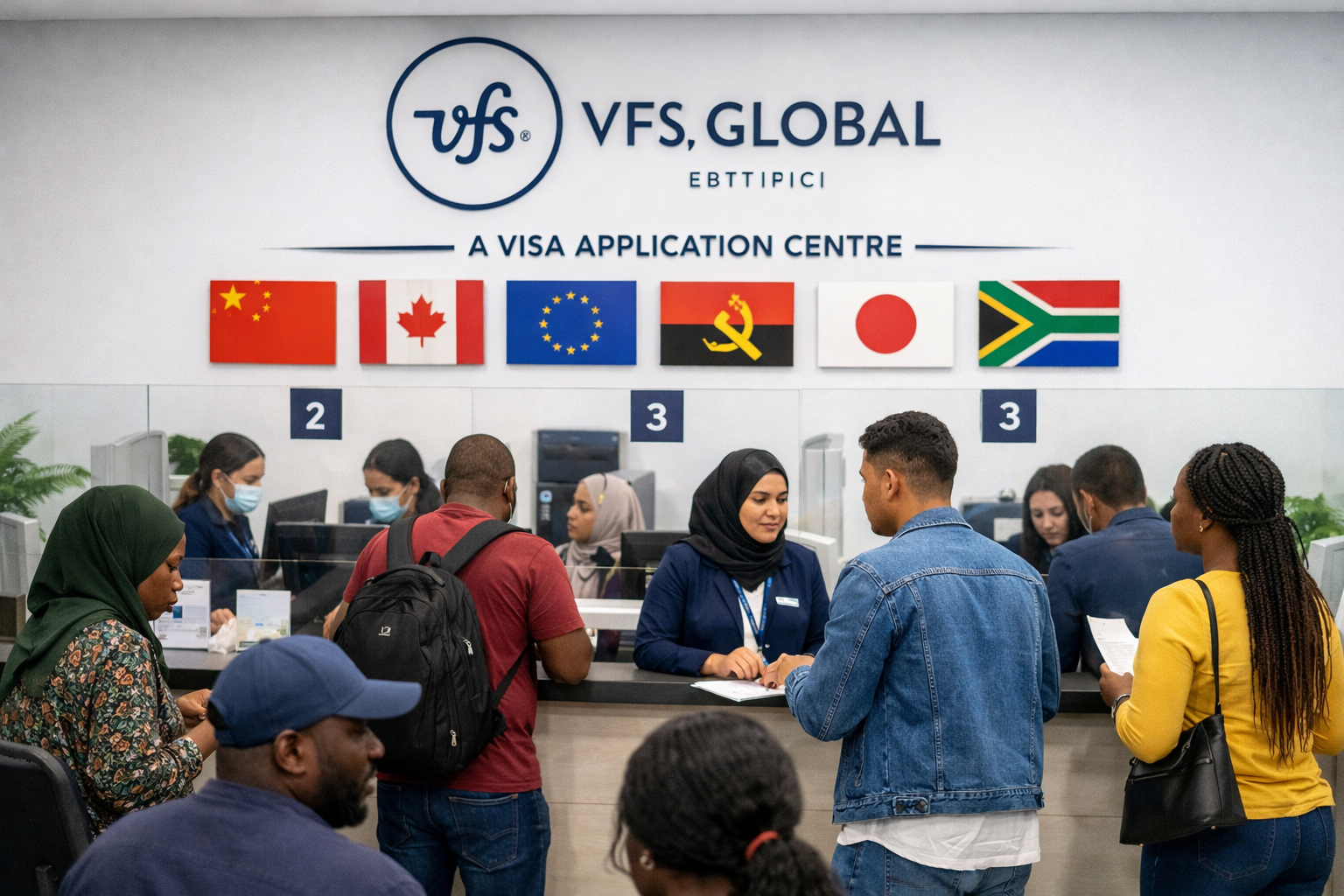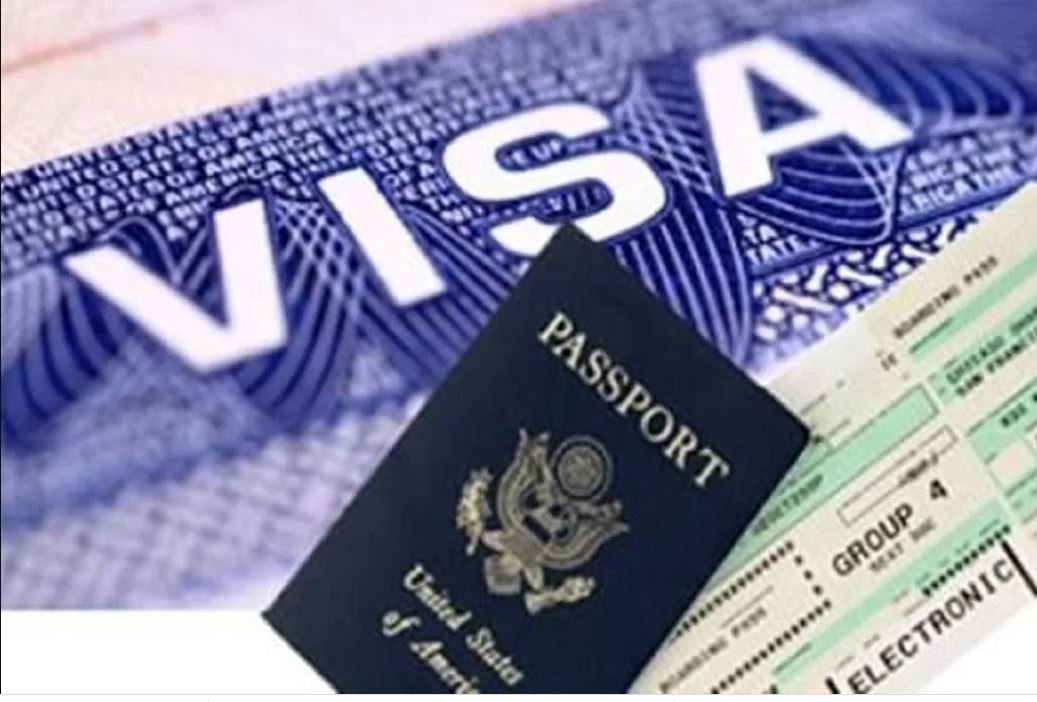
The United States government has announced a new visa policy that may require Nigerian applicants for short-term travel visas to deposit a financial bond of as much as $15,000 before entry.
According to details released by the US Department of State, the policy affects applicants seeking B1/B2 visas, which cover business and tourism travel.
Nigeria is among 38 countries listed under the new directive, with the measure scheduled to take effect for Nigerians on January 21, 2026.
The visa bond serves as a financial guarantee intended to ensure that visitors comply with the terms of their stay in the United States.
US authorities clarified that payment of the bond does not automatically guarantee visa approval, and any funds paid without formal instruction from a consular officer will not be refunded.
Majority of Affected Countries Are African
Out of the 38 countries named, 24 are from Africa, reflecting heightened scrutiny of visa compliance from those nations. Other countries on the list span the Caribbean, Asia, and the Pacific.
The amount of the bond—$5,000, $10,000, or $15,000—will be determined by a US consular officer during the visa interview process. Eligible applicants must also complete Form I-352 issued by the US Department of Homeland Security and make payments through the US Treasury’s Pay.gov platform. The requirement applies regardless of where the visa application is submitted.
Entry and Refund Conditions
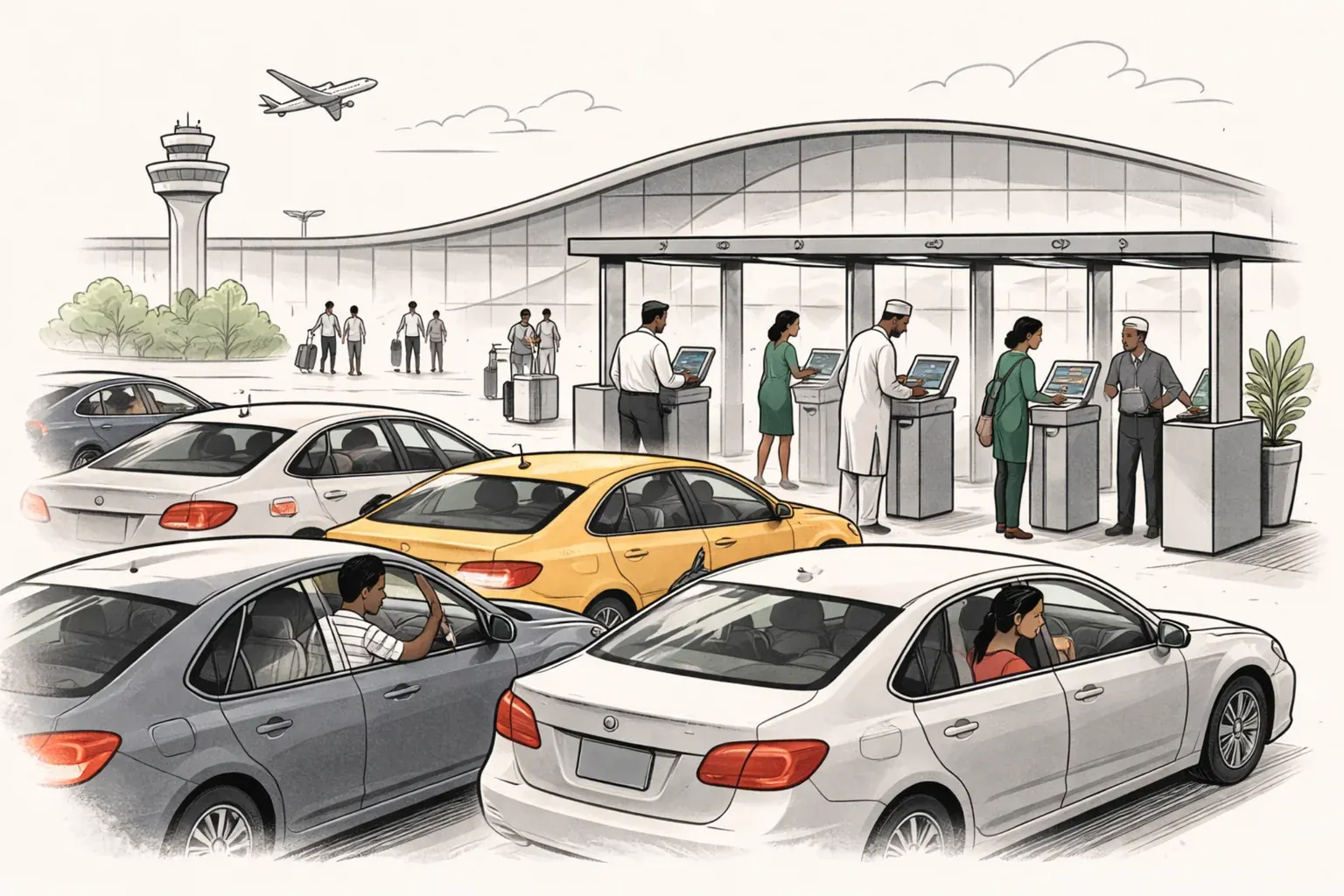
Visa holders who post the bond will be required to enter the United States through select airports, including John F. Kennedy International Airport (New York), Boston Logan International Airport, and Washington Dulles International Airport.
Refunds will only be issued if US immigration authorities confirm that the visitor departed the country on or before the expiration of their authorised stay.
Refunds may also apply if the visa expires without being used or if the traveller is denied entry at a US port of entry.
Security and Overstay Concerns Cited
The new bond requirement follows earlier restrictions placed on Nigeria and several other countries in mid-December 2025.
US officials cited security challenges, including the activities of extremist groups in parts of Nigeria, as well as visa overstay rates as reasons for the stricter measures.
US data showed overstay rates of 5.56 per cent for Nigerian B1/B2 visa holders and 11.90 per cent for student and exchange visa categories, including F, M, and J visas.

These concerns contributed to Nigeria’s inclusion in a partial suspension affecting both immigrant and non-immigrant visa categories.
The US government says the new policy is part of broader efforts to strengthen border control and ensure compliance with immigration laws, while still allowing legitimate travel.