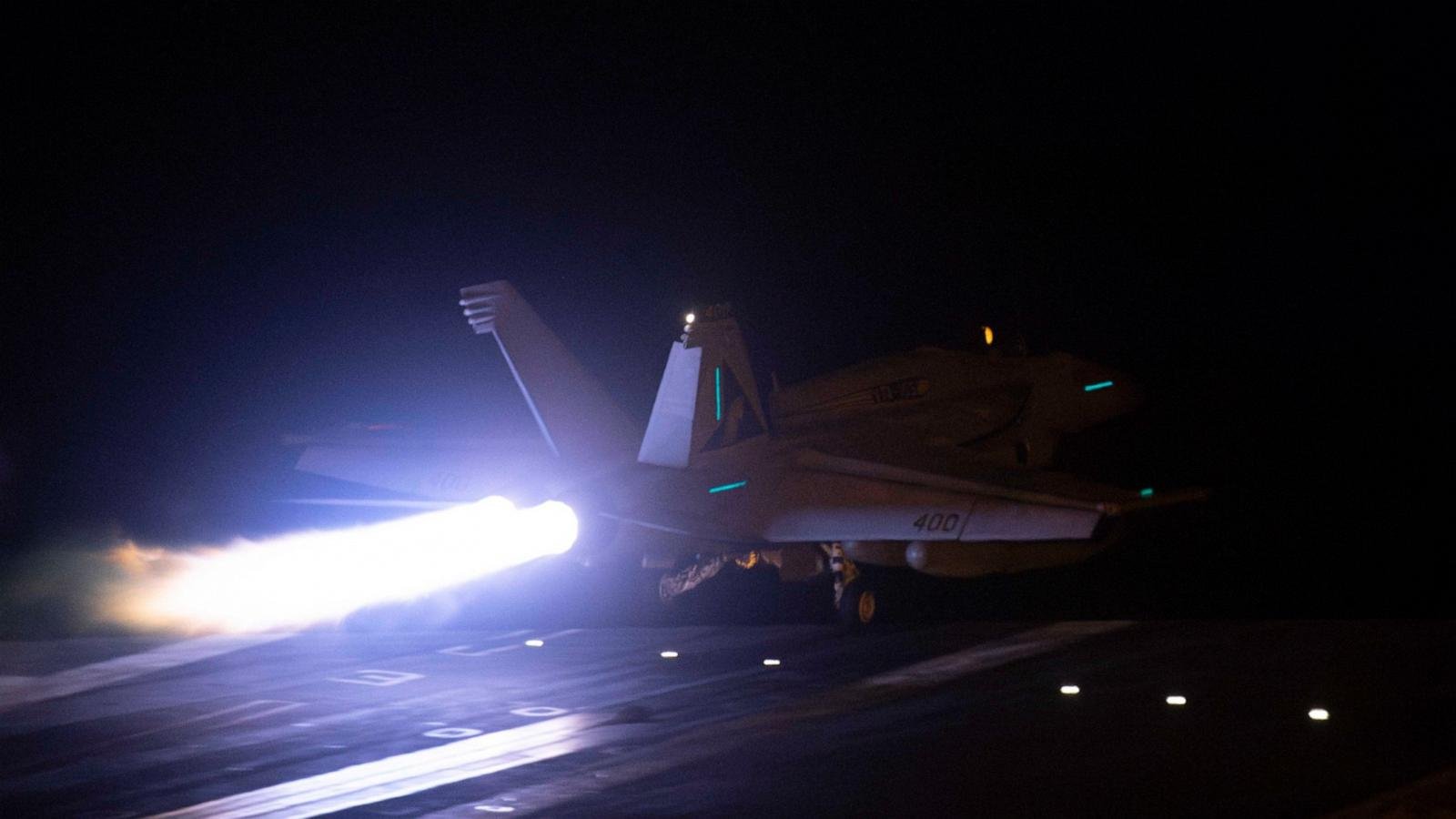
The United States has resumed intelligence, surveillance and reconnaissance (ISR) flights over Nigeria, with specialised aircraft operating above the Sambisa Forest in Borno State just days after US airstrikes targeting ISIS-linked militants in Sokoto State.
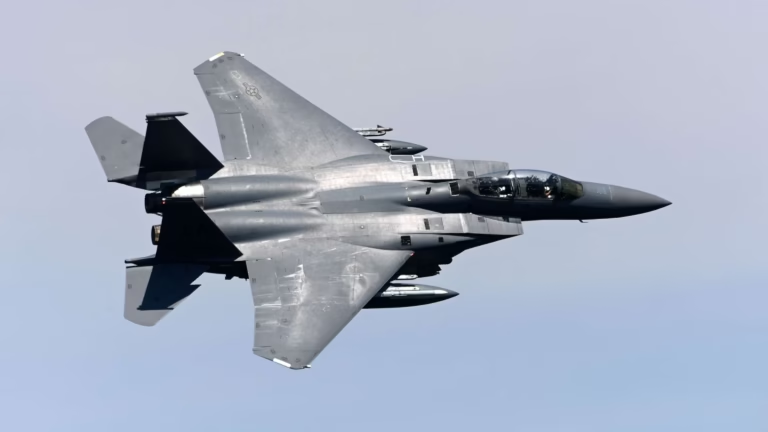
Flight-tracking data shared on Saturday by Sahel-focused terrorism analyst Brant Philip showed a Gulfstream V aircraft flying repeated patterns over north-east Nigeria. The aircraft type is commonly adapted for long-range ISR missions used by the US military across Africa.
According to Philip, the renewed surveillance is focused on Islamic State West Africa Province (ISWAP), the Nigerian affiliate of ISIS active in Borno State, the Sambisa Forest, and the wider Lake Chad basin.
Renewed ISR Signals Possibility of Further US Strikes
Philip said the surveillance missions resumed after a brief one-day pause following Thursday night’s airstrikes in Sokoto State, indicating continuity rather than a one-off operation.
“The United States resumed ISR operations today on ISWAP in the Sambisa Forest, Borno State, after a pause of one day following the strikes in Sokoto,” he wrote on X.
Flight records show the ISR aircraft began operating in Nigerian airspace on November 24 after departing from Ghana, a major logistics hub for US military operations in West Africa. Since then, similar flights have reportedly occurred almost daily.
The aircraft has been linked to Tenax Aerospace, a special-mission aviation provider that works closely with the US Department of Defense. Security analysts say sustained ISR activity over Sambisa Forest has historically preceded precision strikes, raising the prospect of further US action against ISIS-linked targets in Nigeria’s North-East.
US–Nigeria Counterterrorism Cooperation Intensifies
The resumption of surveillance follows heightened diplomatic and security engagement between Abuja and Washington.
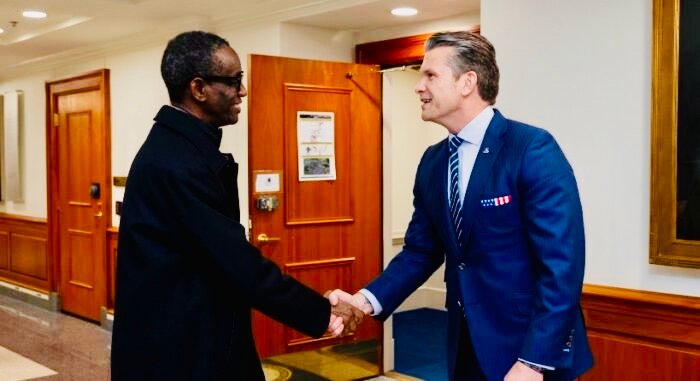
The intelligence flights began shortly after Nigeria’s National Security Adviser, Nuhu Ribadu, met US Defence Secretary Pete Hegseth in Washington amid renewed counterterrorism pressure from the administration of Donald Trump.
After the meeting, Hegseth said the United States would work “aggressively” with Nigeria to counter jihadist violence. President Trump later warned that further US military action could follow — a warning that appears consistent with the renewed ISR activity.

Nigeria’s Foreign Affairs Minister, Yusuf Tuggar, told the BBC that the Sokoto airstrikes were conducted as a joint Nigeria–US operation and said further action could not be ruled out.
Before the recent strike, US surveillance missions had already been recorded over Sokoto, Yobe State, and the Lake Chad region. The renewed focus on Sambisa Forest now points to a potential escalation of US-led or US-supported counterterrorism operations in Nigeria’s North-East.