The United States will partially suspend visa issuance to nationals of 19 countries—including Nigeria—effective January 1, 2026, at 12:01 a.m. EST, under Presidential Proclamation 10998, according to guidance issued by the U.S. Department of State.
The measure restricts the issuance of non-immigrant B-1/B-2 visitor visas, F, M, and J student and exchange visitor visas, as well as all immigrant visas, subject to narrowly defined exemptions. The policy is framed as part of a broader US effort to “protect national security and public safety” by tightening entry rules for countries deemed to have deficiencies in screening, vetting, or information-sharing.
Countries Affected by the Partial Visa Suspension
The suspension applies to nationals of the following countries:
Angola; Antigua and Barbuda; Benin; Burundi; Côte d’Ivoire; Cuba; Dominica; Gabon; The Gambia; Malawi; Mauritania; Nigeria; Senegal; Tanzania; Togo; Tonga; Venezuela; Zambia; and Zimbabwe.
For Nigeria and several West African countries, the decision is expected to have implications for travel, education mobility, diaspora ties, and people-to-people exchanges with the United States.
Visa Categories Covered
Under the proclamation, US authorities will not issue the following visas to affected nationals, except where exemptions apply:
-
B-1/B-2 visas (business and tourism)
-
F visas (academic students)
-
M visas (vocational students)
-
J visas (exchange visitors)
-
All immigrant visas
The restrictions apply regardless of whether applications are newly submitted or pending, provided the applicant does not qualify for an exemption.
Key Exemptions Under the Proclamation
The State Department clarified that several categories of applicants are not subject to the suspension, including:
-
Lawful Permanent Residents (green card holders)
-
Dual nationals applying with a passport from a non-restricted country
-
Special Immigrant Visa (SIV) holders who are eligible US government employees under 8 U.S.C. §1101(a)(27)(D)
-
Participants in certain major international sporting events
-
Immigrant visa applicants from Iran who belong to ethnic or religious minorities facing persecution
These exemptions are expected to be applied on a case-by-case basis at US embassies and consulates.
Who the Proclamation Applies To — and Who It Does Not
Crucially, Presidential Proclamation 10998 applies only to foreign nationals who are outside the United States on the effective date and who do not hold a valid US visa as of January 1, 2026.
The State Department confirmed that:
-
Visas issued before January 1, 2026, remain valid
-
No existing visas will be revoked under the proclamation
-
Foreign nationals who already hold valid visas—even if outside the US—are not affected
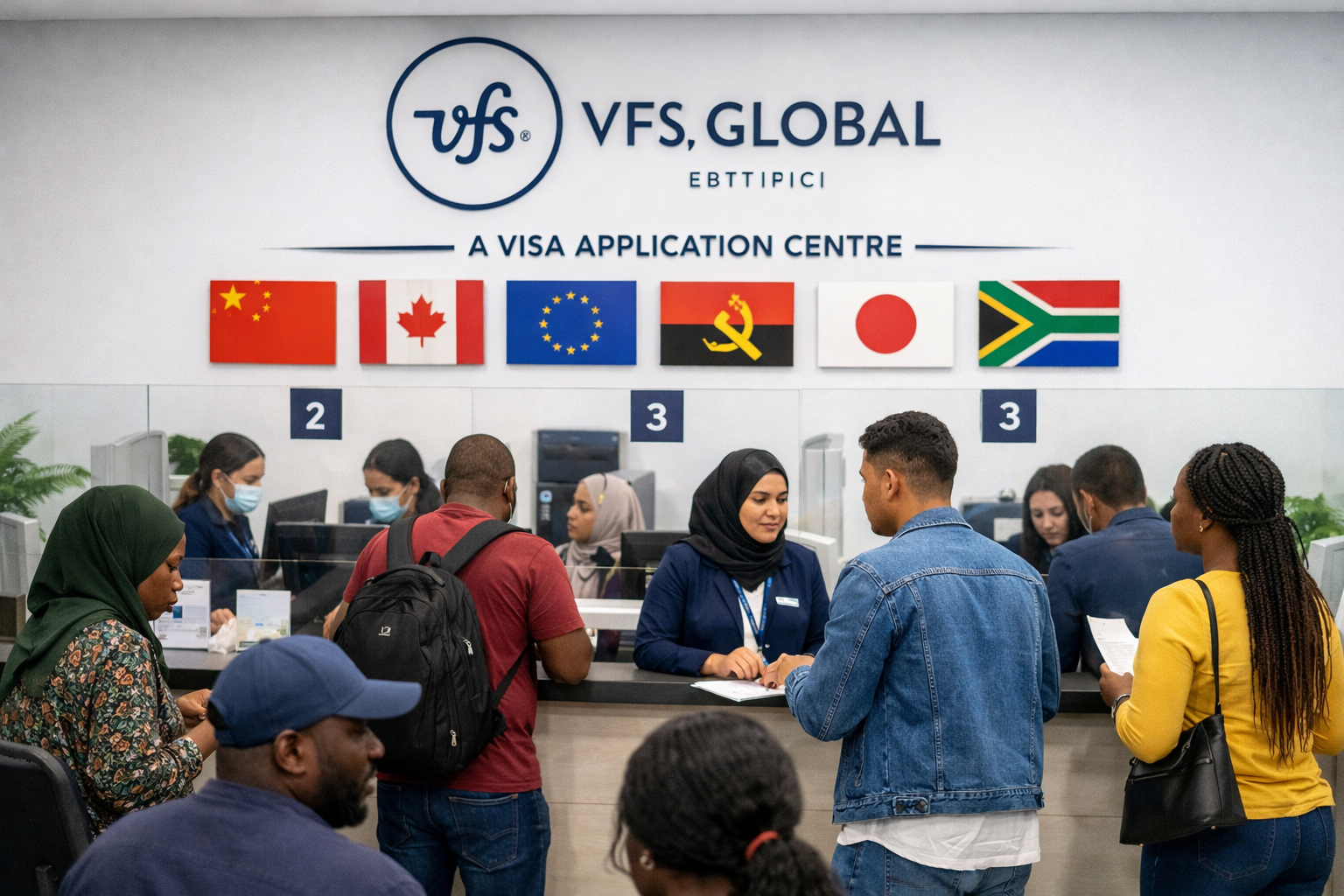
Visa applicants may continue to submit applications and attend scheduled interviews, but consular officers may determine that they are ineligible for visa issuance or admission under the new rules.
Implications for Nigeria and Affected Economies
For Nigeria—the largest African source of US students and a significant contributor to transatlantic travel and remittances—the restrictions are likely to have material economic and social consequences.
Education consultants and travel industry operators expect a sharp decline in US-bound student mobility, while businesses reliant on short-term travel may face increased friction. The policy could also redirect Nigerian students and professionals toward alternative destinations such as the UK, Canada, Australia, and parts of the EU.
More broadly, analysts note that the proclamation reinforces a global trend toward tighter migration controls, even as advanced economies compete for skilled talent and foreign students.

Outlook
While the US administration has left the door open for future reassessments, any easing of the restrictions is likely to depend on improvements in document integrity, information-sharing, and security cooperation with affected countries.
For now, the January 1, 2026 deadline sets a clear cut-off, placing urgency on visa applicants from the listed countries who wish to secure US visas under the current rules.