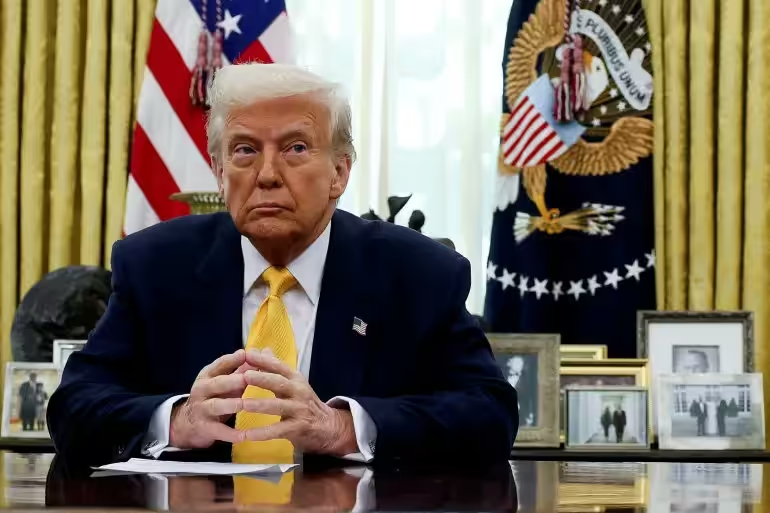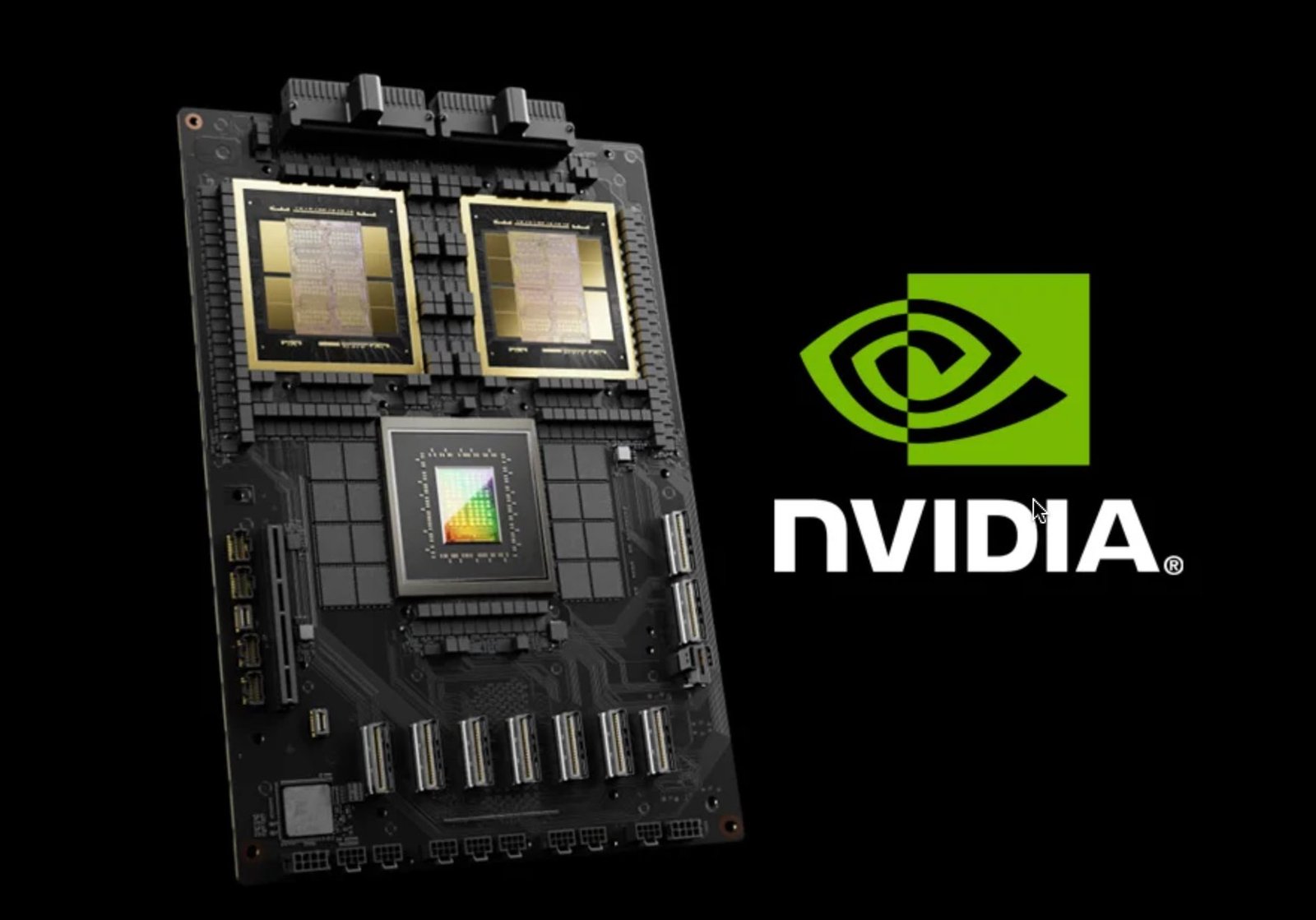
The United States government will permit Nvidia to ship its H200 artificial intelligence processors to China under a new export arrangement that includes a 25% levy on each sale, President Donald Trump announced on Monday.
The approval marks a significant development in Washington’s ongoing debate over how to balance national security concerns with the global dominance of American semiconductor manufacturers.
The H200 is Nvidia’s second-most advanced AI chip, sitting just below the powerful Blackwell series, which remains restricted from export to China.
A Strategic Compromise
In a post on his Truth Social platform, President Trump revealed that he had informed Chinese President Xi Jinping of the decision and said the Chinese leader “responded positively.”
He added that the U.S. Commerce Department was finalizing the operational details, which will also apply to other American chipmakers, including AMD and Intel.
According to a senior White House official, the 25% fee will be collected as an import duty when the chips arrive from Taiwan—where they are manufactured—before undergoing a U.S. national security inspection and then being cleared for shipment to China.
Administration insiders have described the policy as a middle ground between two extremes: allowing unrestricted access to cutting-edge U.S. chips and implementing a total export freeze, which officials fear would strengthen China’s reliance on domestic alternatives such as Huawei.
Nvidia welcomed the decision, saying the policy “strikes a thoughtful balance that is great for America.” Intel declined to comment, while AMD and the Commerce Department have not yet issued statements.
Political Divide Deepens
The move has triggered sharp reactions in Washington. Several Democratic senators criticized the approval as a “major national security mistake,” warning that any advanced AI hardware entering China could inadvertently strengthen its military and surveillance infrastructure.
Republican Representative John Moolenaar, chair of the House China Select Committee, echoed those concerns, saying Beijing would likely attempt to replicate Nvidia’s technology: “China will rip off its technology, mass-produce it themselves and seek to end Nvidia as a competitor.”
Former U.S. Commerce Department official Eric Hirschhorn was even more direct, arguing that the policy “trades national security for short-term commercial gains.”
China’s Cautious Response
Even with U.S. approval, uncertainty remains over how China will respond. Beijing has recently warned domestic companies against purchasing Nvidia’s downgraded China-specific models—the H20, L20, and RTX 6000D—and raised concerns about alleged “backdoor vulnerabilities,” claims Nvidia strongly denies.
Analysts note that Chinese firms would prefer the more capable H200, which the Institute for Progress (IFP) reports is almost six times more powerful than the H20—the most advanced chip currently allowed for export before the latest policy shift.
Still, experts caution that China’s political leadership may prioritize self-reliance over short-term performance gains.
Chip Smuggling Ring Exposed
The policy update also coincides with a Justice Department announcement that U.S. authorities disrupted a China-linked smuggling operation involving at least $160 million worth of restricted Nvidia H100 and H200 chips between late 2024 and early 2025.
What’s at Stake
While Nvidia’s newest Blackwell and upcoming Rubin chips remain off-limits to China, the H200 is still significantly more capable than any domestically produced Chinese chip.
Industry watchers expect that, despite political tensions, Chinese technology firms will continue to seek the H200 for high-end AI development.
China’s domestic semiconductor landscape now includes Huawei and emerging players such as Cambricon and Moore Threads, but none are yet able to match Nvidia’s performance at scale.
Major Chinese semiconductor stock indices dipped early Tuesday following Trump’s announcement but recovered much of the losses by mid-session.