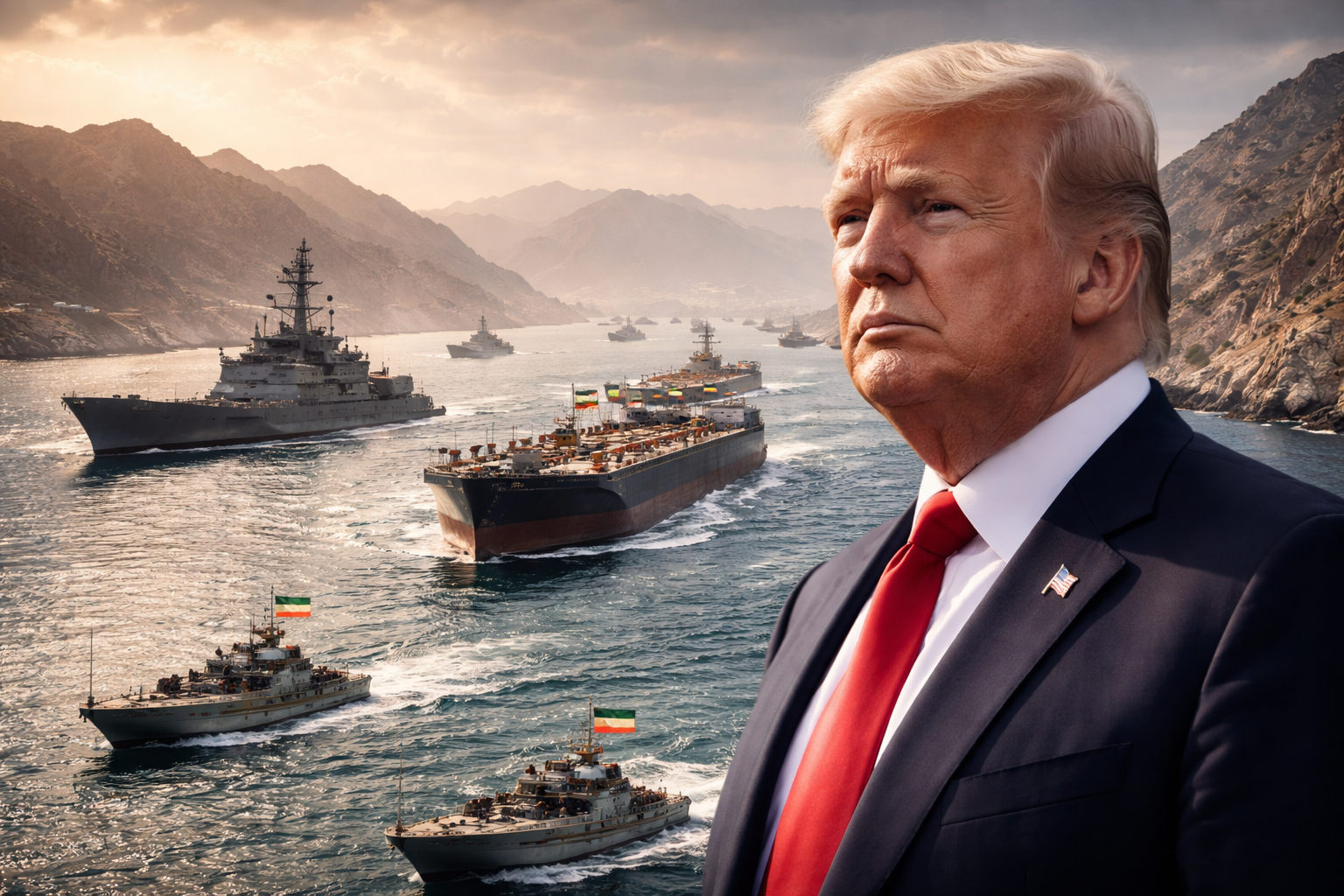
The United States has quietly permitted Iranian oil tankers to transit the strategically critical Strait of Hormuz, in a move aimed at preventing further disruption to global energy markets, according to Scott Bessent.
Speaking to CNBC, Bessent disclosed that Iranian vessels had already been moving through the waterway, including tankers supplying India, while some shipments linked to China were also believed to have passed.
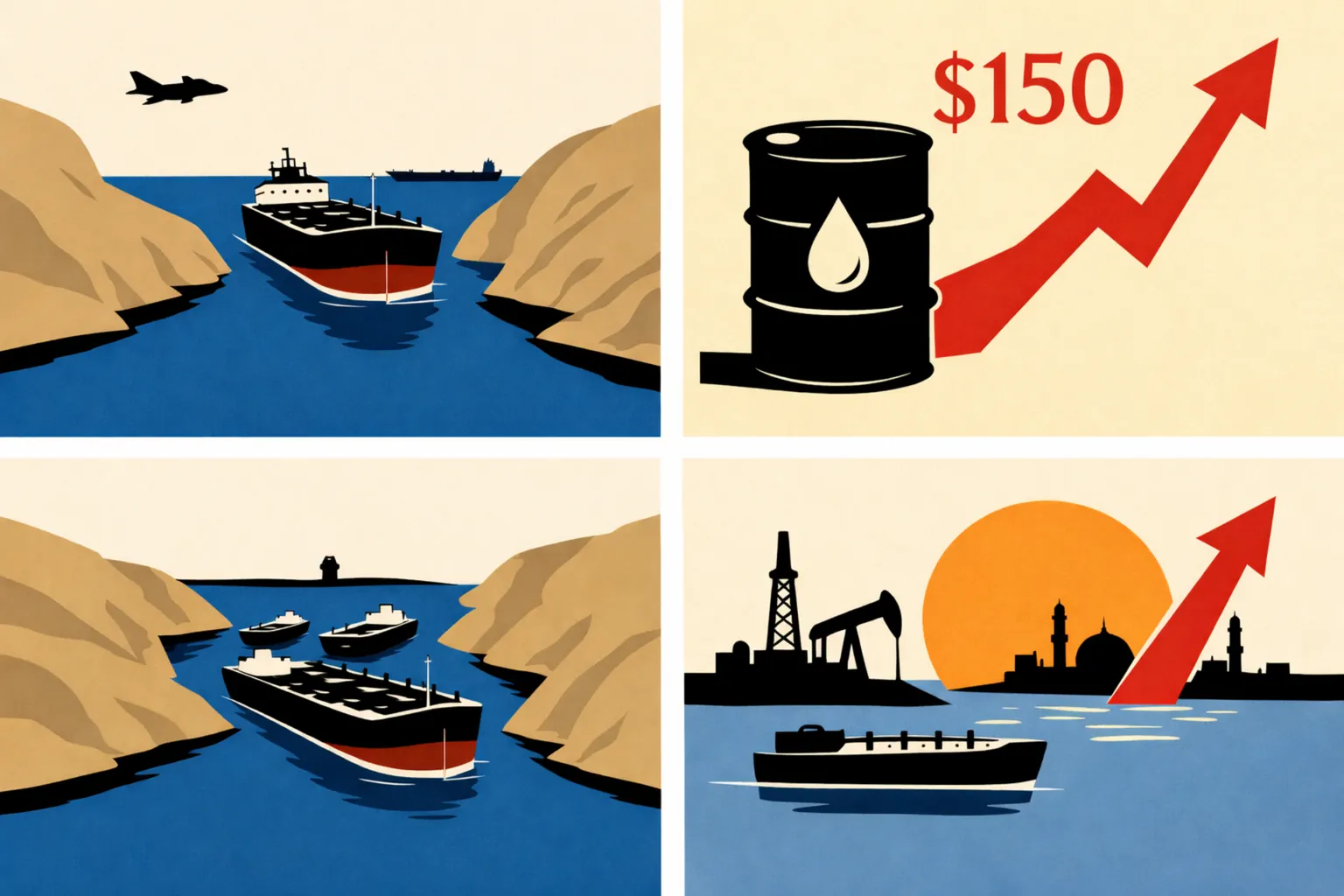
The decision comes amid heightened tensions in the region, with the Strait of Hormuz effectively disrupted since early March following Iranian retaliatory actions tied to ongoing US-Israeli military operations. The passage is one of the world’s most vital oil corridors, handling roughly 20 million barrels per day—about a fifth of global consumption.
Bessent indicated that tanker movements are expected to increase in the coming days, ahead of a planned intervention in which US naval forces and allied partners may begin escorting commercial vessels through the strait to ensure safe passage.
The partial reopening—facilitated by US tolerance of Iranian shipments—reflects a pragmatic effort to contain the economic fallout of supply shocks. Oil prices have already surged due to the disruption, raising broader concerns about inflation, energy security, and downstream impacts on food prices globally.
While the arrangement appears tactical rather than a formal policy shift, it underscores the delicate balance Washington is attempting to strike between enforcing pressure on Tehran and preventing a wider economic crisis.