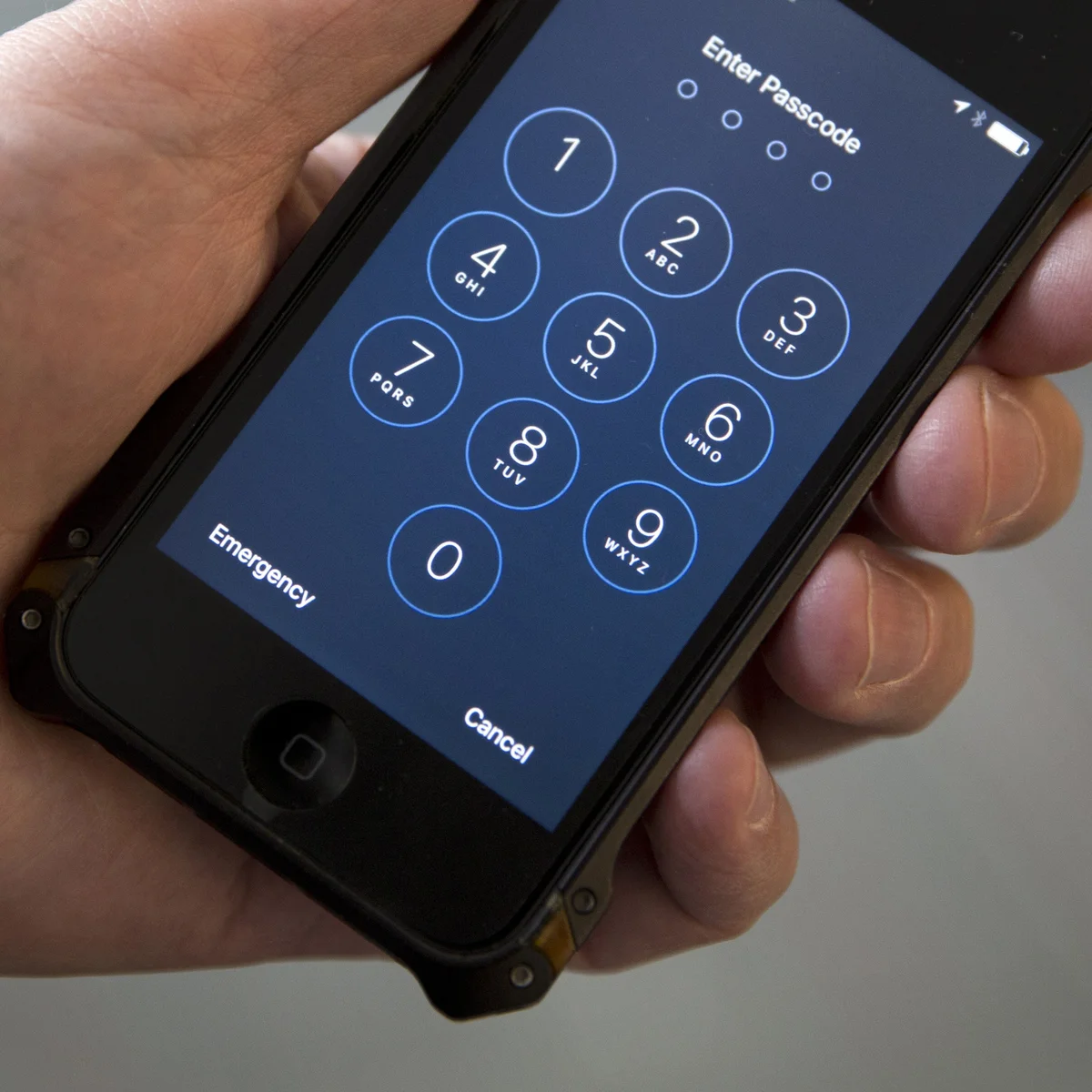
UK law enforcement agencies have been granted new powers to seize and examine electronic devices such as mobile phones and SIM cards from illegal migrants without the need to make an arrest, in a move the government says will significantly strengthen efforts to disrupt people-smuggling networks.
The expanded authority allows police and immigration officers to confiscate digital devices during routine encounters where individuals are suspected of being in the UK unlawfully. Officials say the measure is designed to improve intelligence-gathering, enabling investigators to trace communication links, financial arrangements, and travel routes used by organised criminal gangs involved in facilitating illegal entry into the country.
Battle Against Illegal Migration
According to the Home Office, people-smugglers increasingly rely on mobile technology to coordinate crossings, particularly small-boat journeys across the English Channel. Phones and SIM cards are often used to maintain contact between migrants and smugglers, share real-time location data, arrange payments, and issue instructions designed to evade border patrols. By accessing this digital evidence, authorities believe they can identify ringleaders and arrest them at an earlier stage, rather than focusing enforcement efforts solely on migrants.
The new powers form part of the UK government’s broader strategy to curb illegal migration and dismantle organised crime groups profiting from it. Ministers have repeatedly argued that existing laws have not kept pace with the methods used by smuggling gangs, who operate across multiple jurisdictions and adapt quickly to enforcement pressure. Strengthening digital intelligence capabilities, they say, is essential to breaking these networks and deterring future crossings.

The policy has emerged against the backdrop of sustained political and public concern over record numbers of migrants arriving in the UK via irregular routes. Successive governments have pledged to “stop the boats,” with measures ranging from increased patrols and international cooperation to tougher enforcement and legislative reforms.