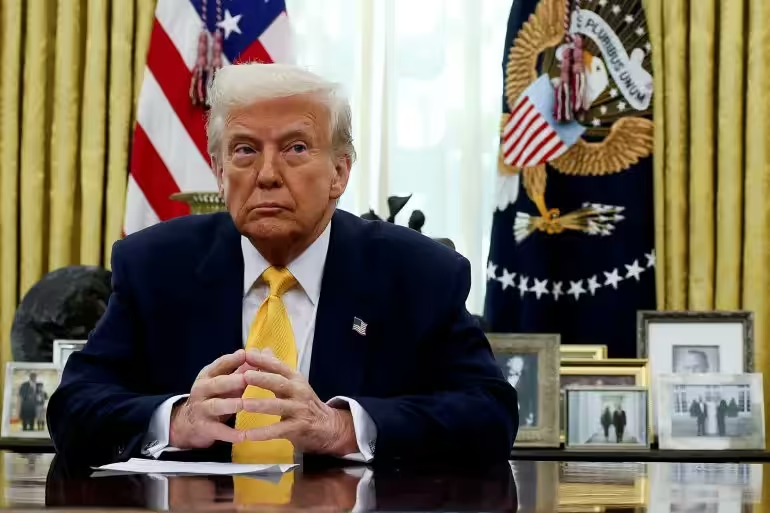
U.S. President Donald Trump has directed the Department of Defense to ready itself for potential military operations in Nigeria, citing what he calls unchecked persecution of Christians in the West African nation.
The announcement, delivered via a heated social media message on Saturday, escalates longstanding U.S. concerns over religious tensions in Nigeria.
Trump accused the Nigerian authorities of neglecting to address “mass slaughter” targeting Christian communities, vowing to halt all American aid and support unless immediate measures are implemented.
“The slaughter of Christians in Nigeria must stop now,” Trump declared in his post. “If the Nigerian government won’t act, the U.S. will step in—quick, decisive, and without mercy against the Islamist militants responsible for these barbaric acts.
I’ve ordered the Department of Defense to gear up for intervention. Act fast, Nigeria, or face the consequences.”
This rhetoric builds on Trump’s recent classification of Nigeria as a “Country of Particular Concern” under the U.S. International Religious Freedom Act, a label reserved for nations with severe religious liberty infringements.
He portrayed the situation as an “existential crisis” for Christianity in the country.
Defense Secretary Backs the President’s Stance
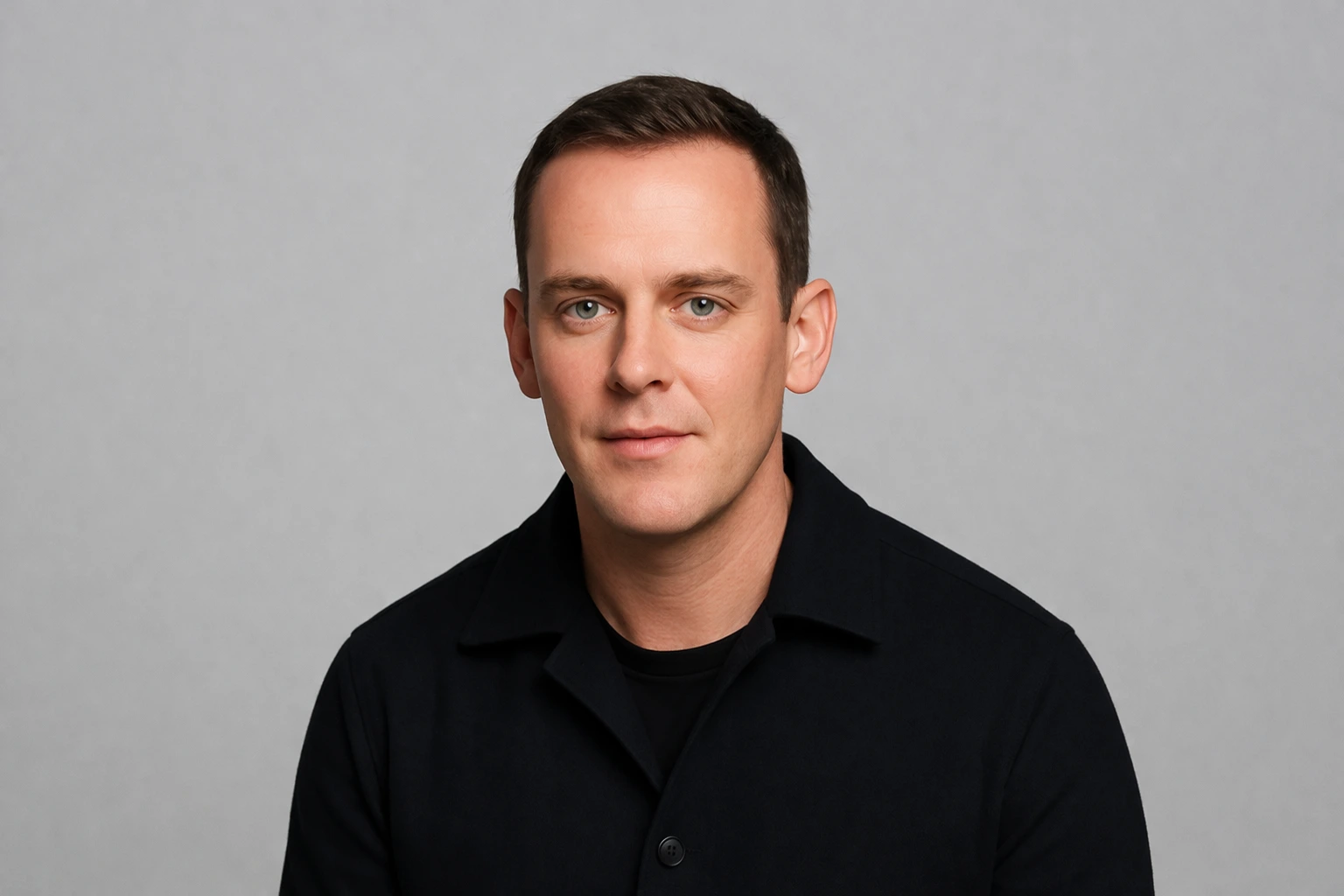
U.S. Secretary of Defense Pete Hegseth swiftly amplified Trump’s words on social media, replying affirmatively and underscoring the urgency.
“Affirmative, Mr. President,” Hegseth wrote, sharing Trump’s full message.
He continued: “The targeted killings of Christians—anywhere in the world—cannot persist. Our forces are mobilizing.
Nigeria must shield its religious minorities, or we’ll neutralize the extremists perpetrating these crimes.”
The exchange highlights a unified front within the Trump administration on foreign policy matters involving human rights and national security.
Nigeria’s Multifaceted Security Landscape
Home to more than 230 million people, Nigeria contends with a web of intertwined issues fueling unrest: jihadist insurgencies, communal clashes, and disputes over land and resources.
Violence in the north has claimed lives across religious lines, affecting both Christian and Muslim populations alike.
Nigerian President Bola Tinubu pushed back against the U.S. portrayal earlier, asserting that it misrepresents the country’s commitment to religious harmony.
“Nigeria is a beacon of tolerance, and our administration is tireless in defending the rights of every citizen, regardless of faith,” Tinubu said in a statement.
He pointed to joint initiatives with the U.S. and global allies aimed at curbing extremism.
Tinubu’s spokesperson, Bayo Onanuga, dismissed the allegations as overstated, noting that attacks strike indiscriminately at places of worship and communities of all beliefs.
“We welcome U.S. partnership in bolstering our fight against terror—not ultimatums,” Onanuga remarked.
As of early Sunday, no formal Nigerian reply to the military threat has emerged.
Prior communications from Nigeria’s Foreign Ministry, via spokesperson Kimiebi Imomotimi Ebienfa, reaffirmed the strong bilateral ties with Washington.
The ministry stressed its dedication to eradicating extremism while rejecting narratives of systemic bias.
Broader Implications for U.S.-Nigeria Ties
This development strains one of Africa’s key U.S. partnerships, which includes economic aid, counterterrorism collaboration, and trade.
Analysts warn that military posturing could complicate diplomatic efforts and regional stability.
For now, the world watches as Nigeria weighs its response to this unprecedented warning from a major ally.