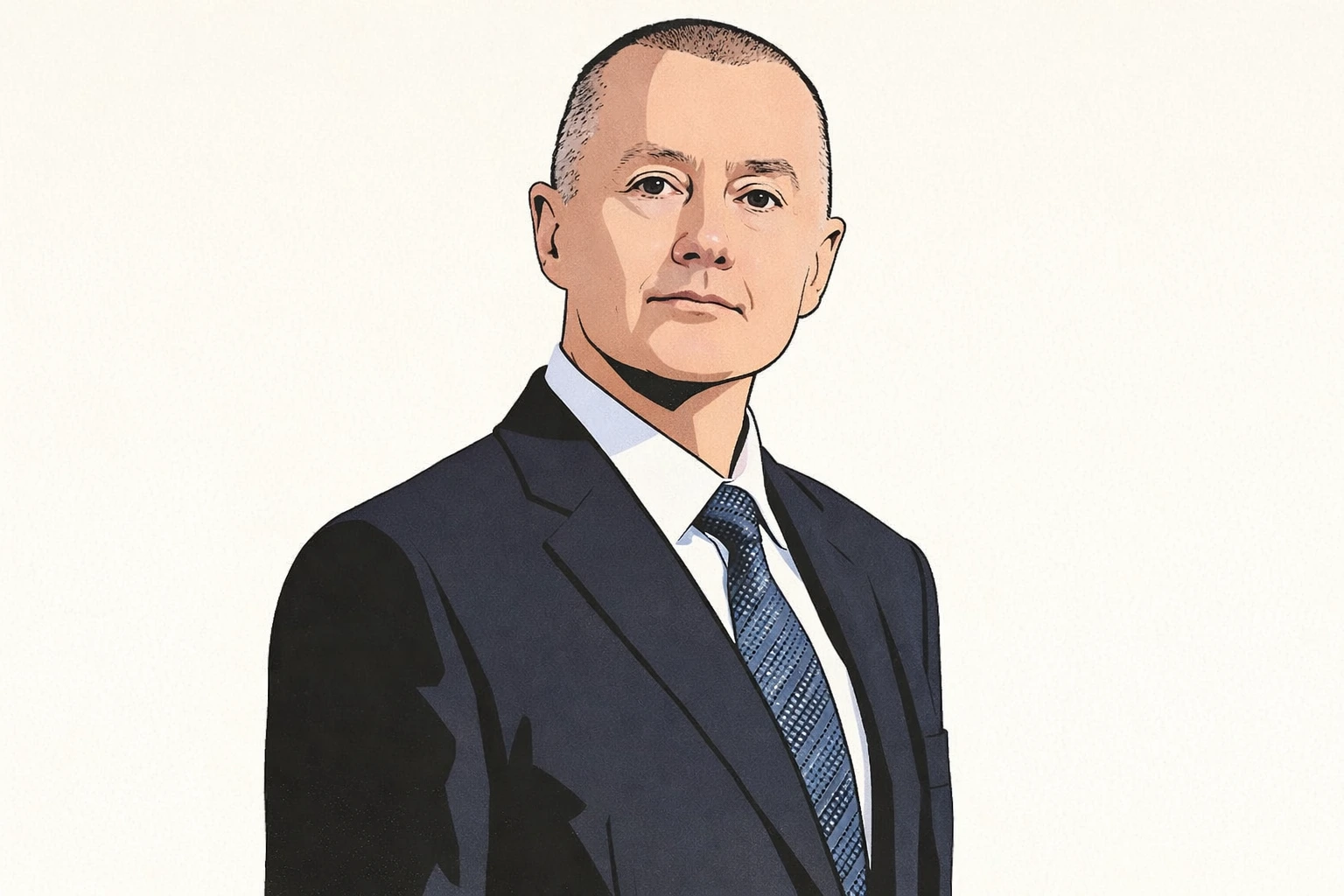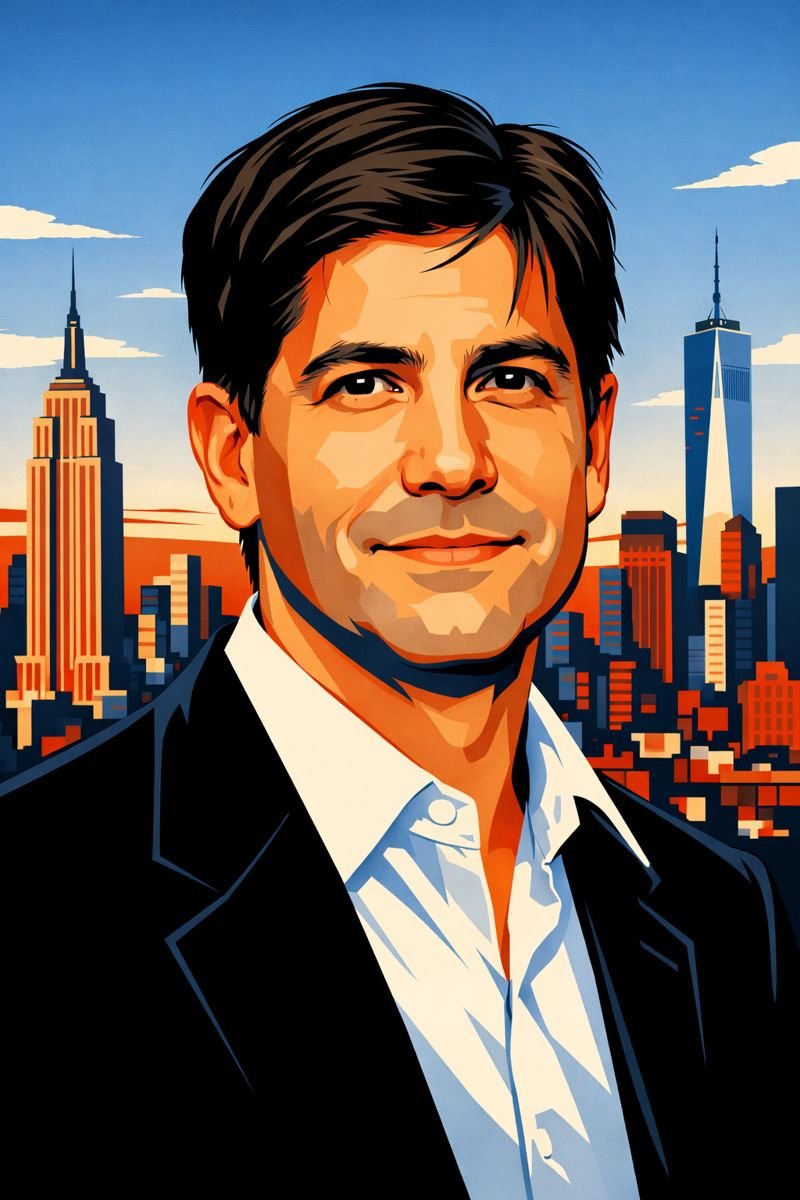
Donald Trump has said he will nominate Kevin Warsh as chairman of the Federal Reserve, choosing a well-known policymaker to lead the world’s most influential central bank at one of the most sensitive moments in its modern history.
In a post on his Truth Social platform on Friday, Trump announced that Warsh would succeed Jay Powell when Powell’s term as chair expires in May, subject to Senate confirmation. Trump praised Warsh as “central casting” and said he expected him to rank among the greatest Fed chairs.
Warsh, 55, served as a Federal Reserve governor during the 2008 global financial crisis and later became a Stanford academic and a partner at the family office of billionaire investor Stanley Druckenmiller. He is widely respected on Wall Street, and his nomination has been interpreted by investors as a stabilising choice after months of concern that Trump might appoint a more overtly political ally.
Also Read:
- Joe Biden eyes Former Fed Chair Janet Yellen for Treasury Secretary
- US Adds Just 50,000 Jobs in December as Unemployment Falls to 4.4% — Trump Disputes Figures,…
- U.S. Prosecutors Open Criminal Probe Into Fed Chair Jerome Powell as Trump Renews Feud
- Fed Defies Trump, Keeps Rates Steady as Two Policymakers Dissent
US Treasury yields and the dollar edged higher in early New York trading following the announcement, reflecting expectations that Warsh would prioritise inflation credibility over aggressive rate cuts.
A Divided Fed and a Politicised Backdrop
Warsh will inherit a central bank deeply split over the direction of monetary policy. Inflation remains above target, while the US labour market has begun to cool after several years of strong hiring. The Fed cut interest rates three times in 2025, but held rates steady this week amid disagreement among policymakers over the outlook for 2026.
Trump allies within the system have pushed for much lower rates. Stephen Miran, who joined the Fed’s board in September, has argued that “phantom inflation” driven by housing metrics is overstating underlying price pressures. By contrast, regional Fed presidents such as Lorie Logan in Dallas and Beth Hammack in Cleveland have publicly opposed further easing.
Complicating matters further, US prosecutors recently opened a criminal investigation into Powell over a $2.5bn renovation of the Fed’s headquarters, a move Powell has described as part of a broader attempt by the White House to undermine the central bank’s independence. Some Republican senators have threatened to block Warsh’s confirmation unless the Department of Justice drops the probe.
Reformist Instincts, Market Credibility
Warsh has long argued that the Fed has strayed beyond its original remit. Echoing Treasury Secretary Scott Bessent, he has called for “regime change” at the central bank, criticising its swollen balance sheet and warning that large-scale bond buying has blurred the line between monetary and fiscal policy.
During the 2008 crisis, Warsh acted as a key conduit between Fed officials and financial markets, helping to manage communications at a time of extreme stress. In later years, he became a vocal critic of the scale and duration of quantitative easing programmes.
His reformist instincts once appeared to clash with Trump’s demands for ultra-low interest rates, leading some observers to see him as a long shot. But his candidacy gained momentum after bond investors and Wall Street executives expressed concern that alternative contenders might compromise the Fed’s inflation-fighting credibility. JPMorgan chief executive Jamie Dimon signalled support for Warsh, while Citadel founder Ken Griffin warned against appointing a close political loyalist.
Confirmation Fight Ahead
Warsh previously interviewed for the Fed chair role in 2017, when Trump ultimately chose Powell. His longstanding relationships on Capitol Hill, built during his earlier tenure at the Fed, may help him navigate what is shaping up to be a contentious confirmation process.
Even if confirmed, Warsh’s ability to reshape the institution could be constrained. Powell may choose to remain on the Fed’s board until his term as a governor ends in January 2028, while a looming Supreme Court decision on whether Trump can remove Fed governor Lisa Cook could redefine the balance of power between the White House and the central bank.
Implications for World and Nigeria
Warsh’s nomination matters far beyond Washington. The Federal Reserve sets the effective “price of money” for the global economy, and any shift in its policy framework has immediate consequences for capital flows, currencies, and emerging markets.
For the world, a Warsh-led Fed is likely to place greater emphasis on institutional credibility, balance-sheet discipline, and inflation control. That could mean fewer abrupt rate cuts and a more cautious approach to liquidity provision—conditions that tend to tighten global financial conditions and raise borrowing costs for riskier assets.
For Nigeria, the implications are particularly significant. A firmer US dollar and higher global yields would increase pressure on the naira, complicate external borrowing, and raise the cost of servicing dollar-denominated debt. Nigerian policymakers and corporates—already operating in a capital-scarce environment—would face a more competitive global market for funds, reinforcing the importance of credible macroeconomic policy, FX market reforms, and investor confidence.
At the same time, a predictable and credible Fed reduces the risk of sudden global shocks. For Nigeria’s banks, sovereign issuers, and energy companies seeking international capital, stability at the top of the US central bank—even under a politically charged administration—may ultimately prove more valuable than cheap money.