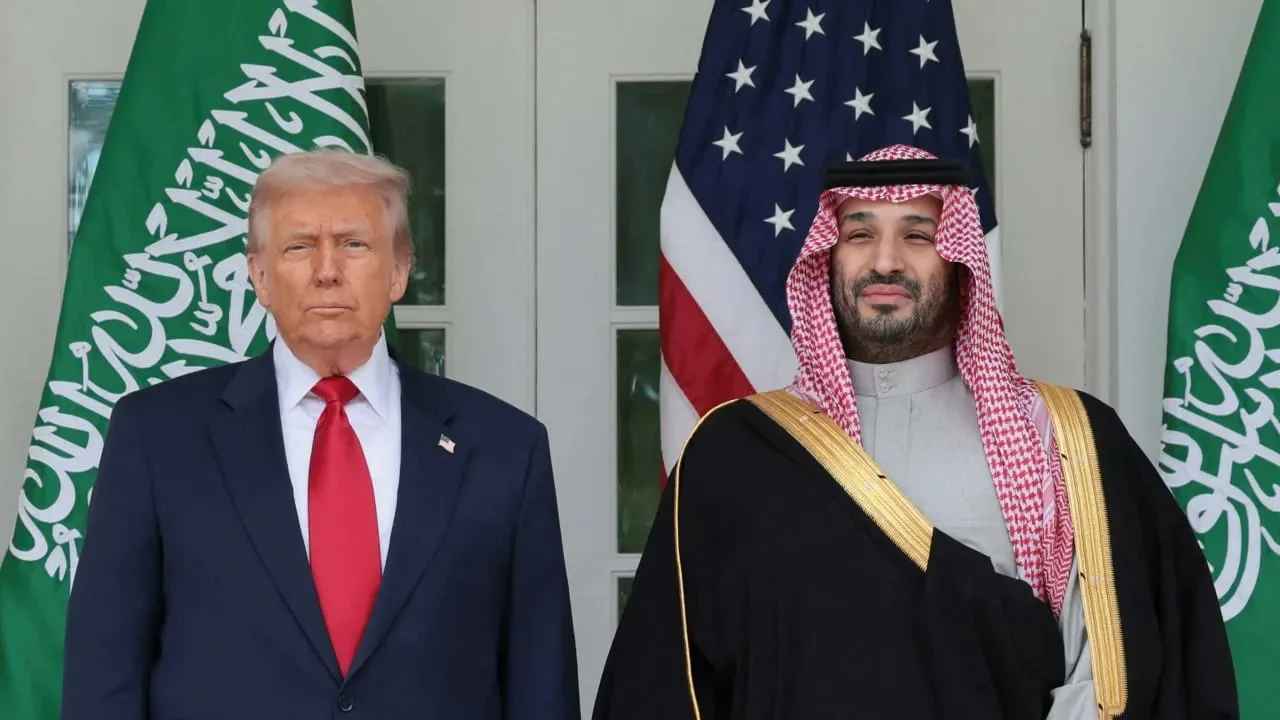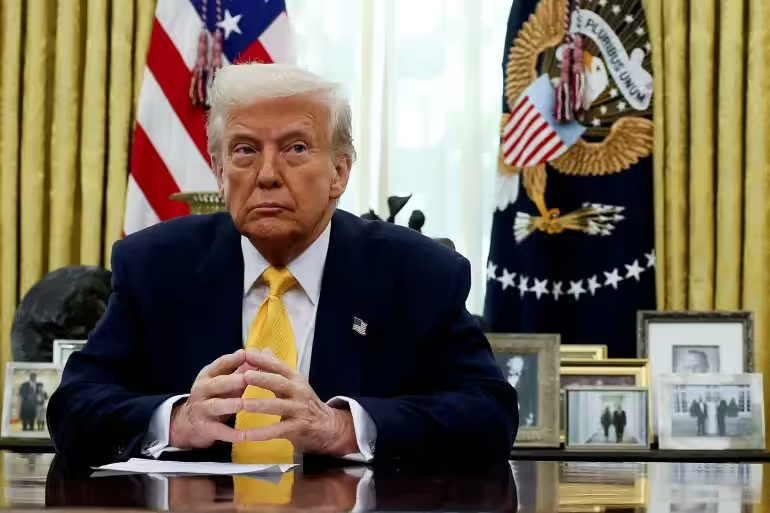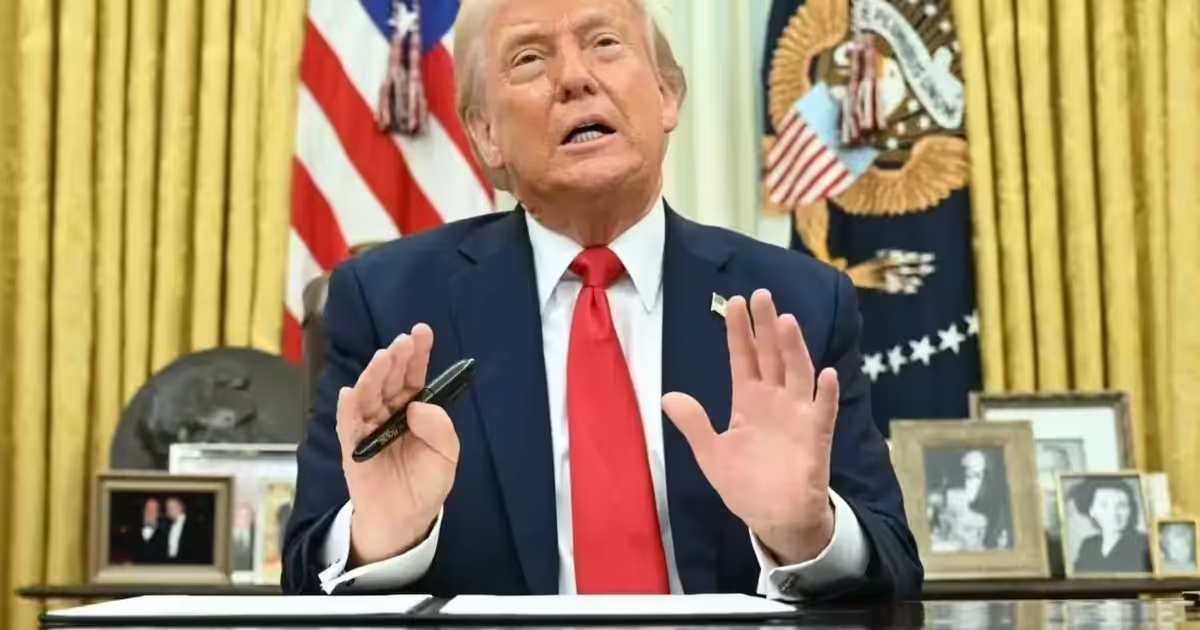
U.S. President Donald Trump has said he wants to be involved in choosing Iran’s next supreme leader following the death of Ayatollah Ali Khamenei, comments that could further inflame tensions in a rapidly expanding Middle East conflict involving the United States, Israel, and multiple regional actors.
Speaking to Axios, Trump said he would reject Mojtaba Khamenei, the late leader’s son and one of the most widely discussed contenders for the role.
“I have to be involved in the appointment,” Trump said.
“We want someone that will bring harmony and peace to Iran.”
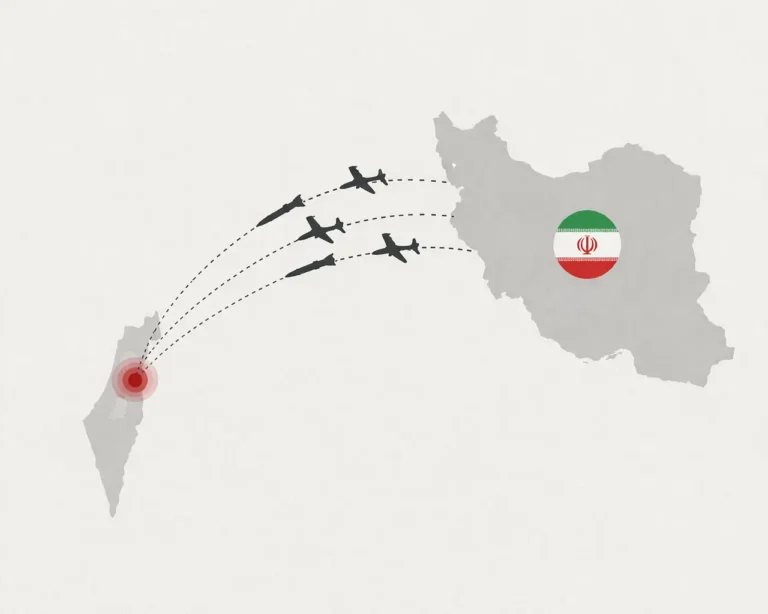
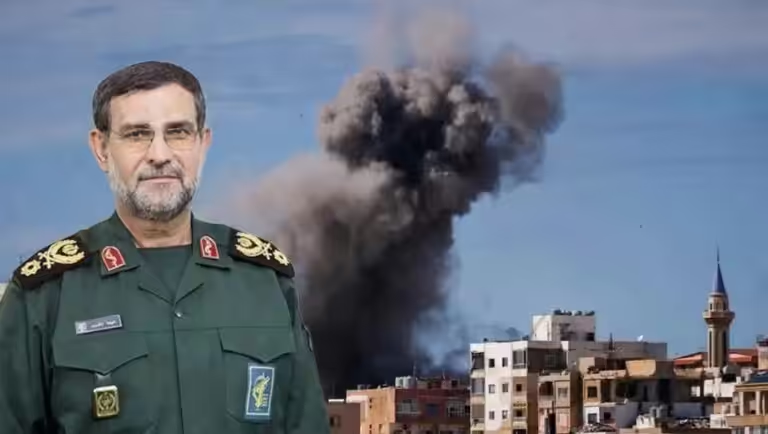
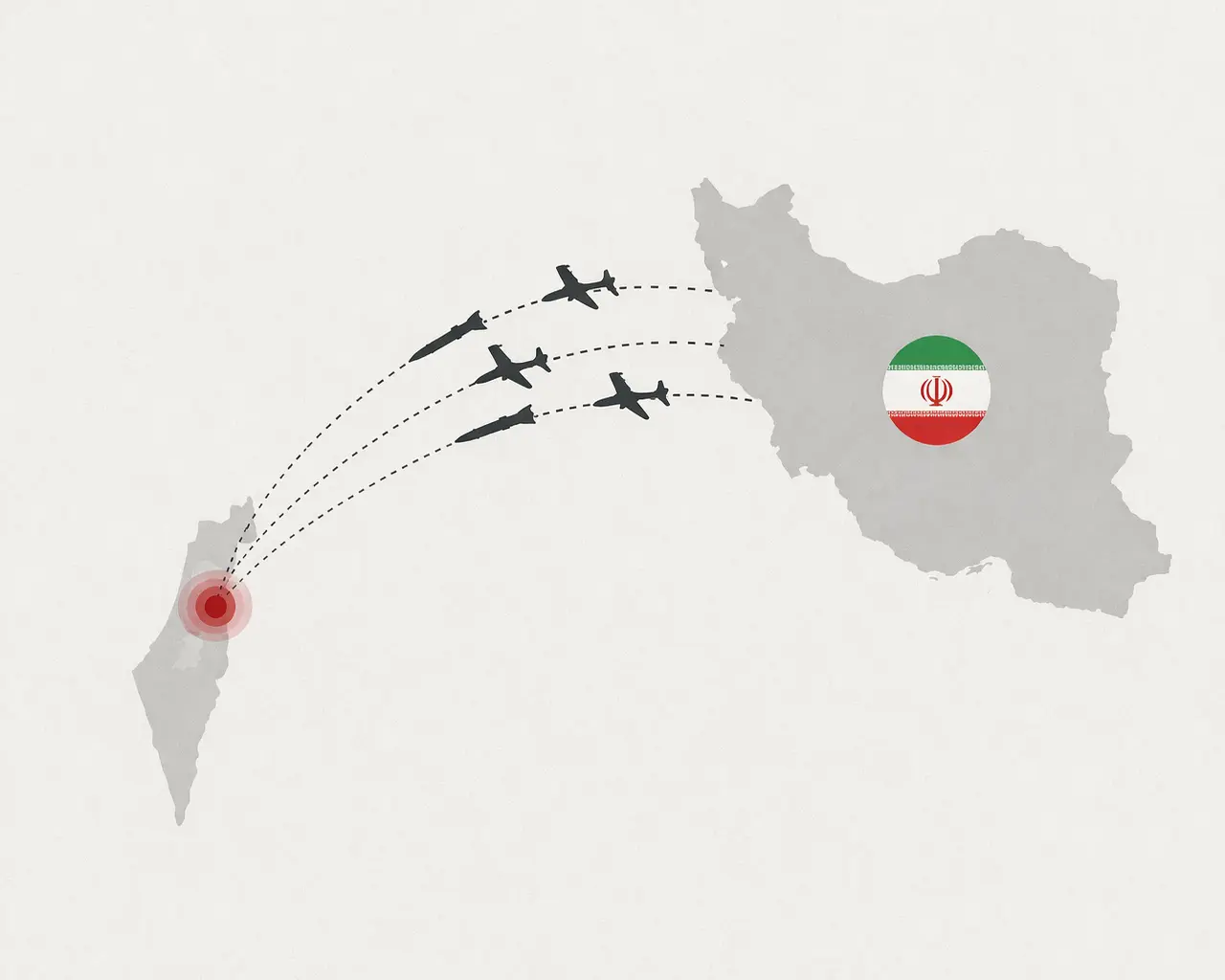
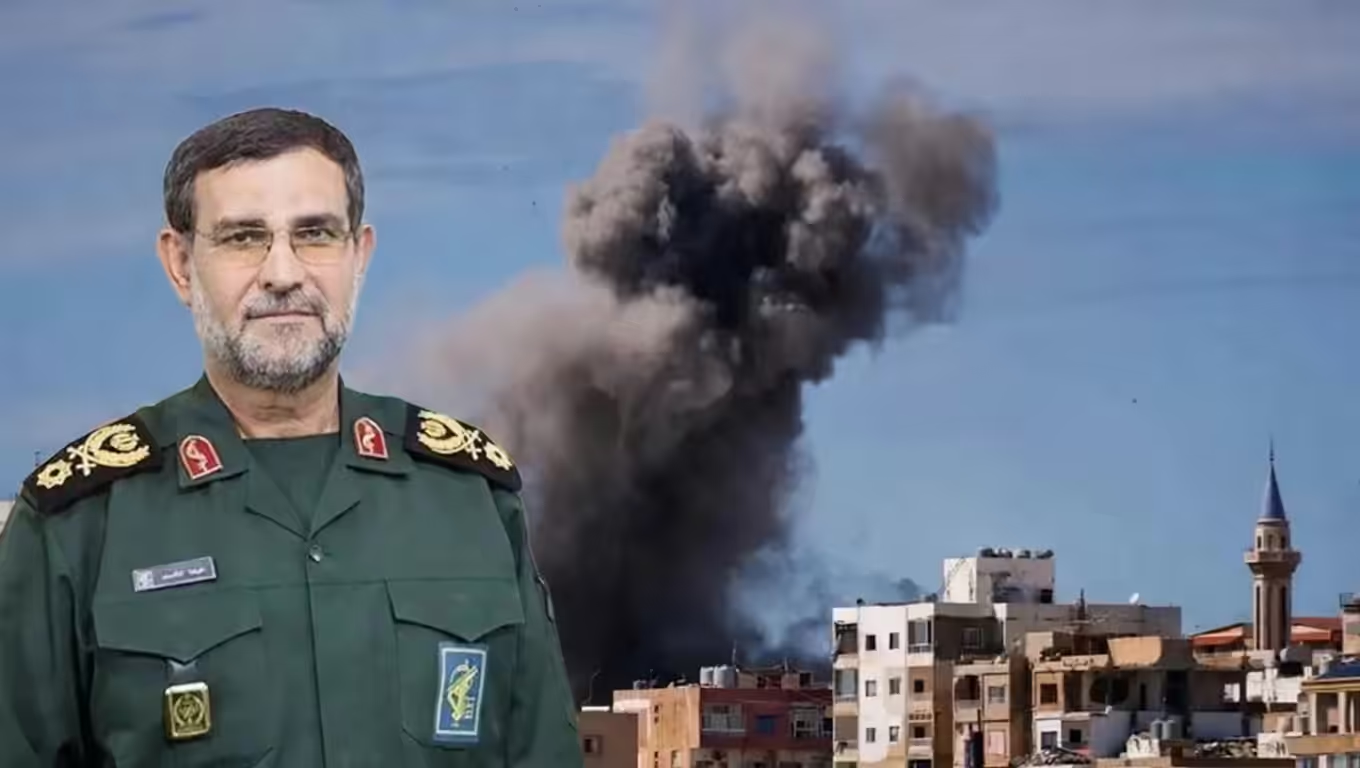
His remarks came as U.S. and Israeli forces continued nationwide strikes against Iranian military installations, leadership targets and nuclear facilities, while Iran carried out retaliatory attacks against Israel, American bases and allied states across the region.
The conflict, now entering its sixth day, has rapidly widened beyond the original battlefield, drawing in more than a dozen countries and threatening global energy supplies.
Succession Politics Inside Iran
Iran’s Supreme Leader holds ultimate authority over the country’s political, military and judicial systems. The position is formally chosen by the Assembly of Experts, an 88-member clerical body elected by the public but heavily vetted by the state.
While the process is theoretically internal, outside powers have historically tried to influence Iranian politics. Trump’s suggestion that Washington should participate in the selection process represents one of the most direct public acknowledgements of such ambitions.
Mojtaba Khamenei, a 56-year-old cleric with strong links to Iran’s security establishment and the Islamic Revolutionary Guard Corps (IRGC), has long been seen by analysts as a possible successor to his father.
Trump dismissed him as “unacceptable” and described him as a “lightweight.”
The comments are likely to fuel debate over whether the U.S. and Israel are seeking regime change in Tehran rather than merely attempting to weaken Iran’s nuclear programme and regional military networks.
War Expands Across the Region
The war between Iran and the U.S.-Israel coalition has spread across the Middle East and beyond, with missile attacks, drone strikes and naval confrontations occurring across multiple theatres.
Iranian forces have targeted U.S. military installations and regional allies, while Israel has struck Iranian missile launch sites and military infrastructure.
Key developments include:
-
Lebanon: Israel issued a mass evacuation warning for Beirut’s southern suburbs, a Hezbollah stronghold. Ground clashes between Israeli forces and Hezbollah fighters have been reported near the Israeli–Lebanese border.
-
Gulf states: Drone and missile interceptions have been reported in the United Arab Emirates, Qatar, Saudi Arabia and Bahrain. Bahrain confirmed a missile strike on a state oil refinery that briefly sparked a fire.
-
Azerbaijan: President Ilham Aliyev accused Iran of launching drones into the Nakhchivan region near its airport, though Tehran denied responsibility.
-
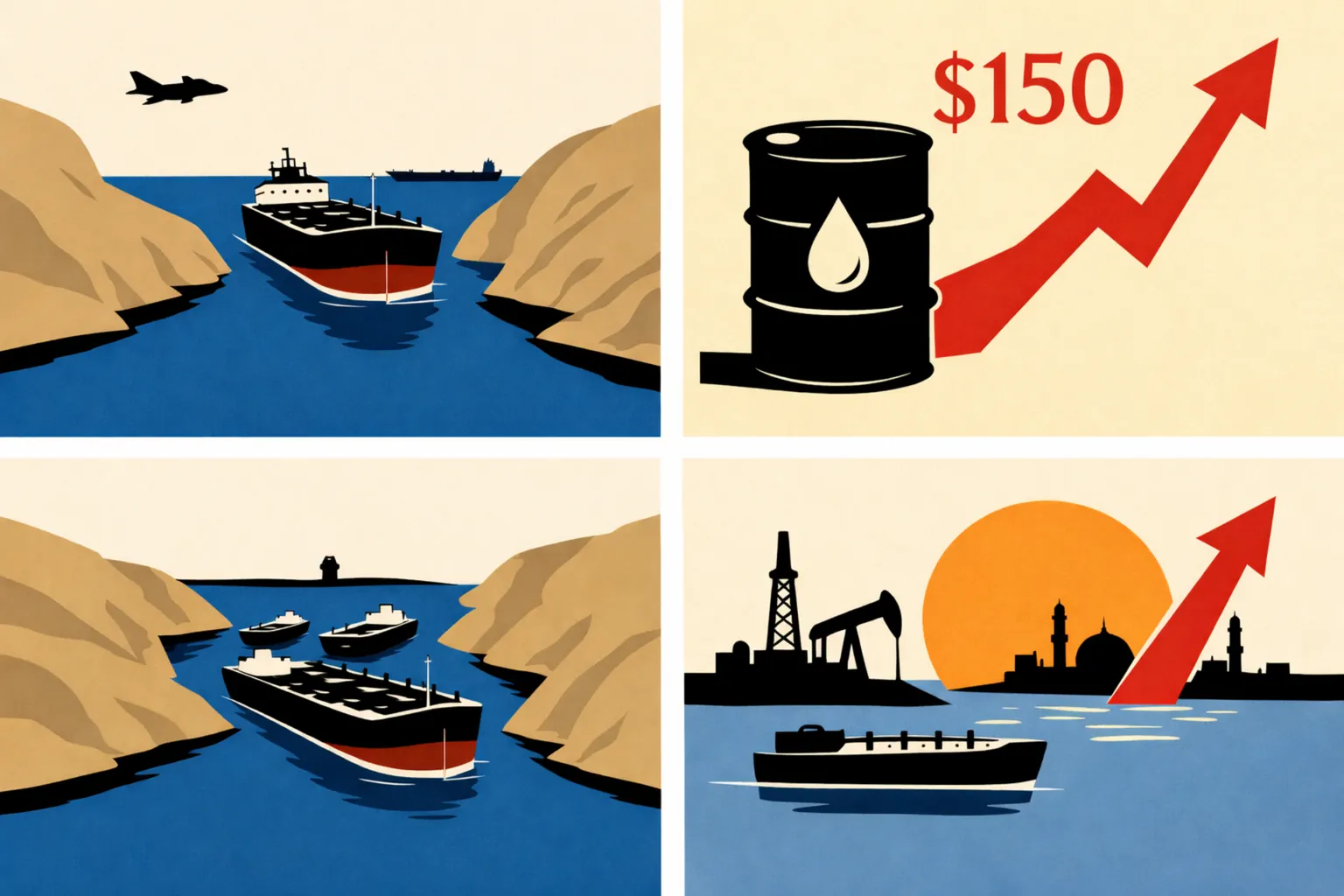
Shipping routes: A tanker explosion off Kuwait and attacks in the Strait of Hormuz and Gulf of Oman have raised concerns about the security of global oil transport routes.
About 20% of the world’s oil supply passes through the Strait of Hormuz, making any disruption there highly consequential for global energy markets.
Naval Escalation in the Indian Ocean
Tensions intensified further after the U.S. Navy sank the Iranian frigate IRIS Dena in waters near Sri Lanka earlier this week.
Sri Lankan authorities said at least 87 crew members were killed, with 32 rescued. Iran said the ship had been carrying nearly 130 personnel.
Iranian Foreign Minister Abbas Araghchi condemned the incident as an “atrocity at sea” and warned that Washington would “bitterly regret the precedent it has set.”
The frigate had reportedly been returning from a multinational naval exercise hosted by India that also involved the United States.
Rising Casualties
The conflict has already resulted in significant casualties across the region.
Officials report:
-
1,230 people killed in Iran
-
More than 100 deaths in Lebanon
-
Around a dozen fatalities in Israel
-
Six U.S. troops killed
The figures are likely to rise as the conflict spreads across multiple fronts.
Religious Rhetoric and Escalating Tensions
Iranian cleric Ayatollah Abdollah Javadi Amoli called on state television for retaliation against Israel and Trump, an unusually explicit appeal for violence from a senior religious figure.
Iranian leaders have repeatedly warned that the United States will face consequences for its military actions.
Despite heavy airstrikes on Iranian territory, Tehran has vowed to continue attacks against Israeli targets and American military positions across the Middle East.
Global Energy Markets on Edge
The widening war has already triggered sharp movements in global energy markets.
Attacks on shipping routes in the Gulf of Oman and the Strait of Hormuz have pushed oil prices sharply higher, reflecting fears that prolonged conflict could disrupt supplies from the world’s most important energy corridor.
For major oil importers in Asia and Europe, the risk of sustained disruption could translate into higher energy costs and renewed inflationary pressure.
Uncertain War Aims
While Israeli and American leaders have suggested that weakening Iran’s nuclear capabilities is a primary objective, rhetoric about reshaping Iran’s leadership has created ambiguity about the coalition’s long-term goals.

Trump’s comments about selecting Iran’s next supreme leader are likely to deepen those questions — and could further galvanise Iranian resistance to outside intervention.
For now, the conflict shows few signs of de-escalation as military operations continue across the Middle East.