This comes after Senator Eyinnaya Abaribe, representing Abia South senatorial district, moved a motion for a vote on the reforms, which have drawn widespread criticism from Nigerians, the senate however moved ahead with the passage of the amended bill.
Controversial Areas in Proposed Electoral Reforms
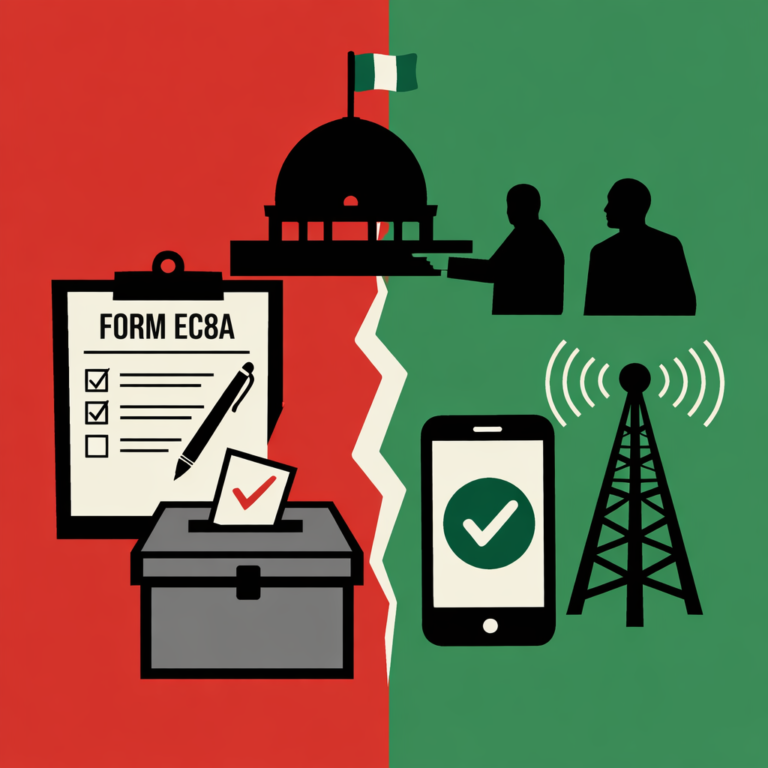
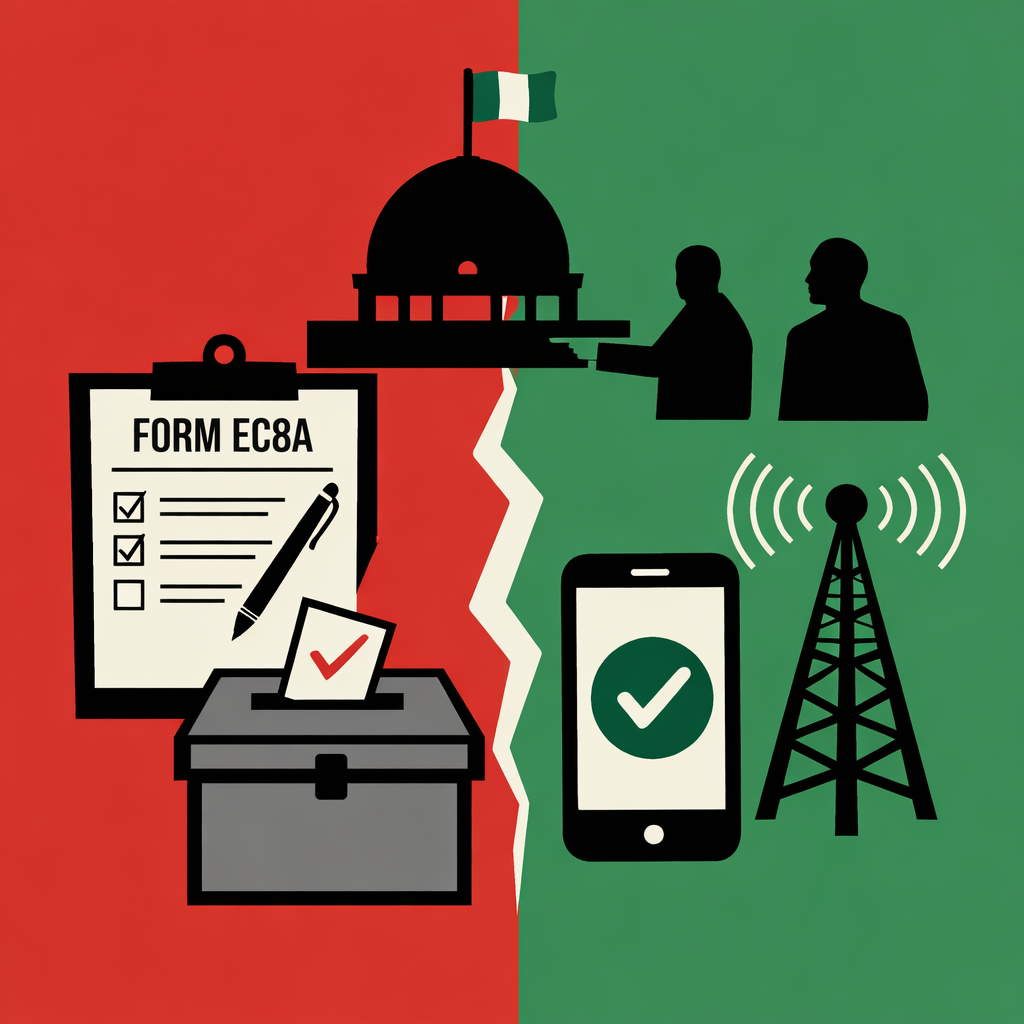
Electronic Transmission of Results
One of the most disputed proposals remains the scope and legal backing for the electronic transmission of election results.
Supporters argue that full electronic transmission would reduce manipulation, speed up collation, and improve public trust. Opponents, however, cite concerns over poor network coverage in rural areas, cybersecurity risks, and the possibility of system failures on election day.
The controversy often centres on whether the Independent National Electoral Commission (INEC) should have discretionary powers or be mandated by law to transmit results electronically.

INEC’s Powers and Independence
Proposed reforms expanding INEC’s regulatory and enforcement powers have raised concerns about overreach.
While advocates say stronger powers would allow INEC to sanction electoral offenders and enforce compliance, critics worry that excessive discretion could expose the commission to political pressure or abuse, especially without parallel reforms to strengthen judicial oversight.